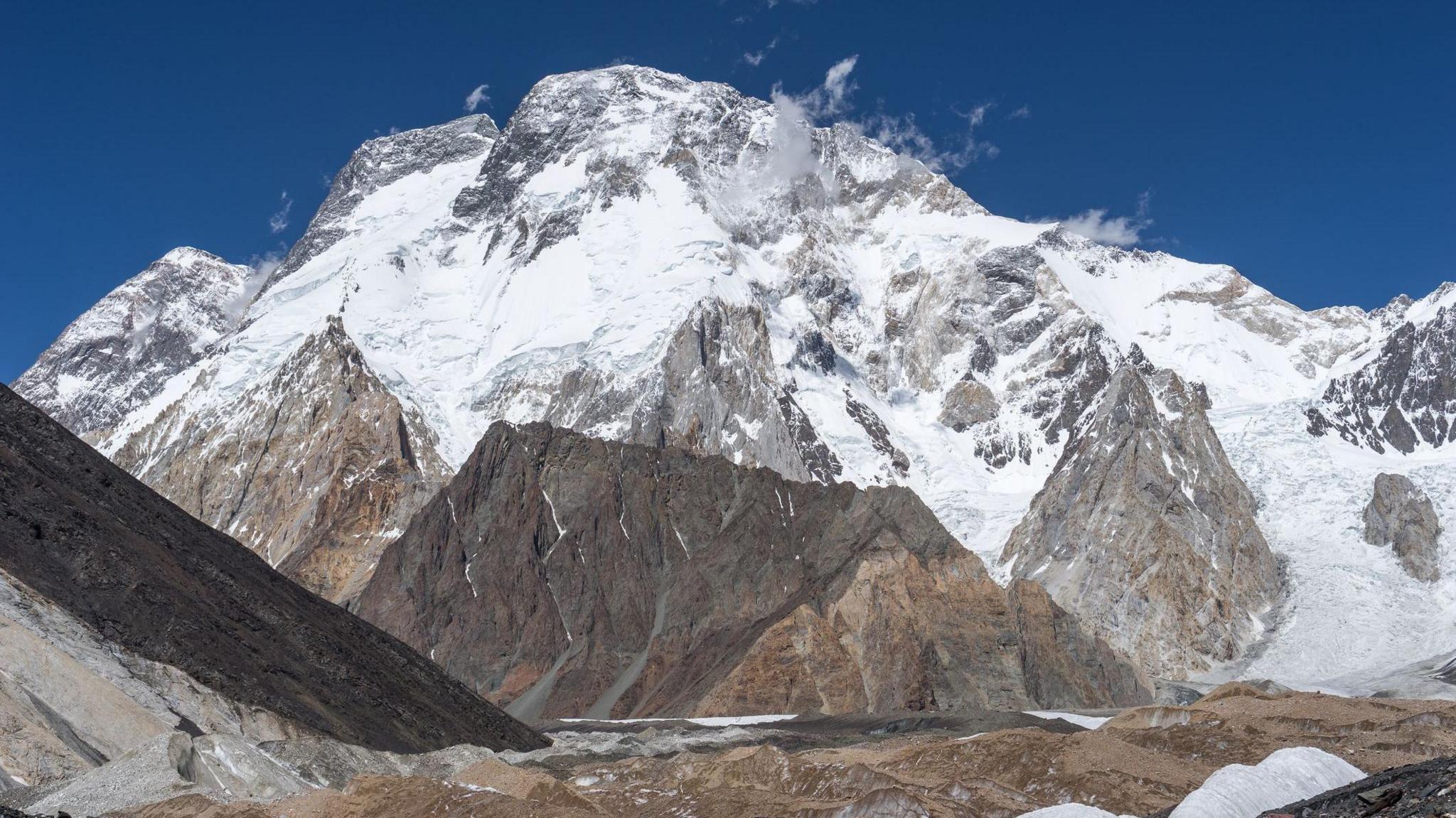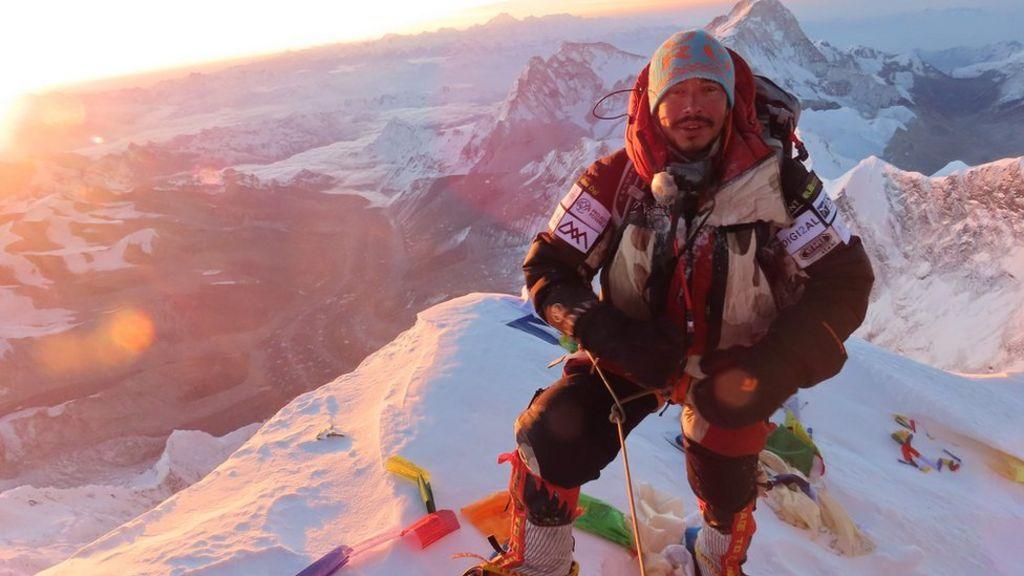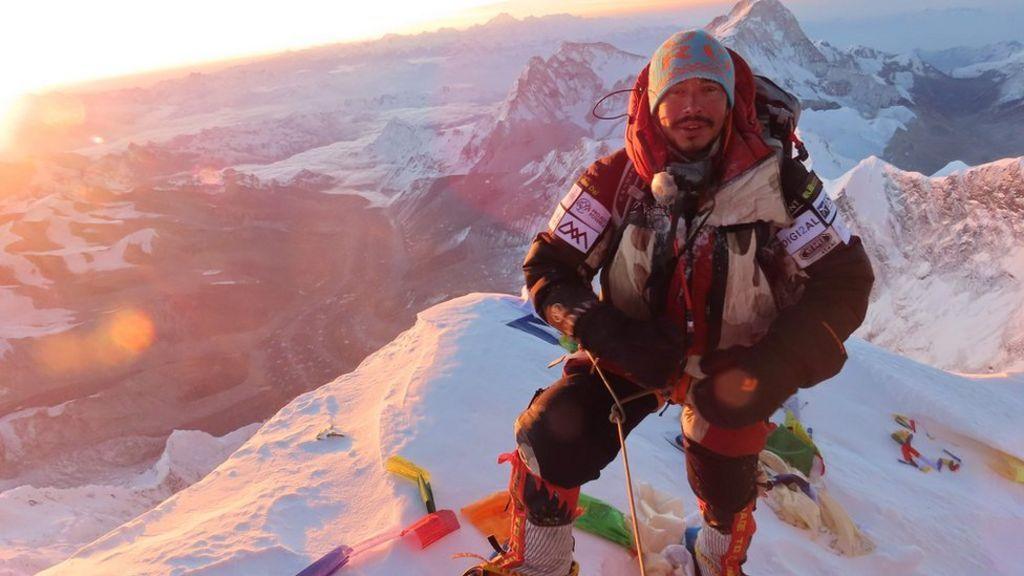
Mountaineer Nirmal Purja died after an avalanche swept across Broad Peak in Pakistan’s Karakoram range. The tragedy was announced by Elite Expeditions, the company he led, and was met with profound sadness by the mountaineering community.
Purja, 43, was noted for his 2019 feat of climbing all fourteen 8,000‑meter peaks in 189 days, a record that earned him an MBE and widespread acclaim. He had been part of a multinational team that sought to summit the 8,047‑meter peak. While his brother Kamal mourned his loss, the world recalled the climber’s “fearless” leadership and reach beyond mountaineering into the armed forces.
Pakistani officials had already recovered bodies of three climbers, including an American, an Omani, and a Nepali, and reported that the search for the remaining crew was ongoing. The Alpine Club of Pakistan confirmed that rescue operations would continue until all bodies were located, though all feared that some may have perished. The report stressed that “fear all dead” could soon be a reality.
Purja’s death had far‑reaching emotional impacts. Nepal’s Prime Minister Balendra Shah noted the “tragic death of six Nepalese and four foreign climbers” as a shock to his country. In the UK, Defence Secretary Wes Streeting posted a tribute on X, calling Purja an inspirational former soldier whose adventures were world‑renowned.
Beyond the human toll, the incident raises concerns about high‑altitude risk. The broad Peak’s demanding terrain has killed dozens since the first ascent in 1957, and 2013 saw a six‑fatality spike. The meteorological and topographical data available point to a complex avalanche environment, emphasising the need for predictive modelling and real‑time weather monitoring.
Purja’s final post on X revealed that he had not fully intended to climb Broad Peak but saw an opportunity to record a near‑record of climbing all fourteen eight‑thousanders twice without oxygen. He described the objective as an “unplanned” but inevitable challenge.
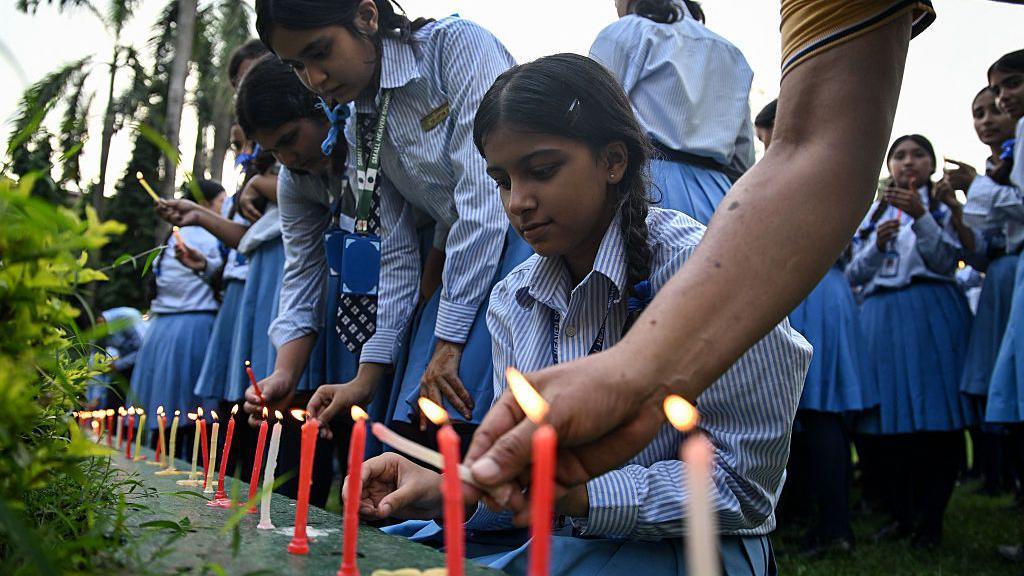
Today, the mountaineering community mourns, but also remembers Purja’s fearless quest and urges advancements in technological safety measures, including real‑time avalanche risk forecasts facilitated by advanced computing.