A massive avalanche struck Pakistan’s Broad Peak on Thursday, leaving ten international climbers—configuring a multinational expedition—including Nepal‑born mountaineer Nirmal Purja—missing and isolated in the mountains.
The avalanche, reportedly hit around midday local time, destroyed communication links to the group, leaving rescue teams without last‑known positions or updates.
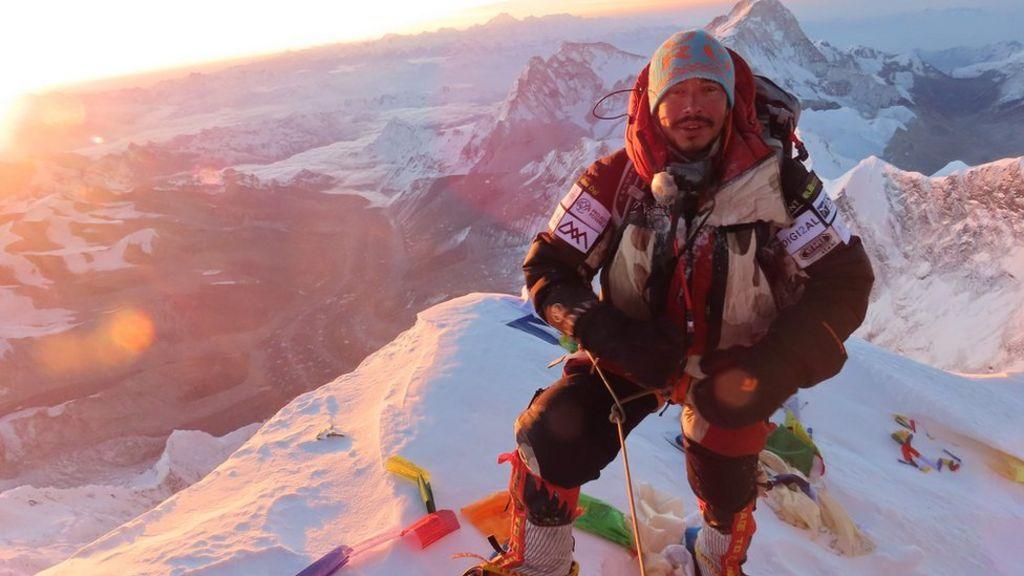
The 10‑member team comprised an American, a Chinese national, an Omani, and five Nepalis. Their leader, Nirmal Purja, famed for summiting all 14 of the world’s 8,000‑plus peaks in a single 2019 expedition, remains at the centre of international interest.
Search crews are waiting for favorable mountain weather to deploy helicopters to lift personnel and equipment out of the cliff‑filled ravine. Broad Peak, standing 8,047 metres (26,400 ft) in the Karakoram range, is rated the world’s 12th‑highest summit and one of the most dangerous climbs due to its steep ridges and brittle ice.
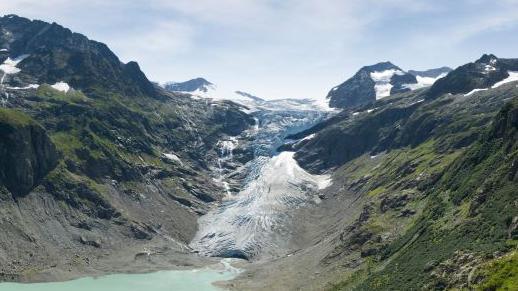
Recent glacier‑sensitivity studies suggest that the Karakoram is experiencing accelerated melt, feeding heavier, unstable snow‑packs that heighten avalanche risk. Scientists are turning to quantum‑computing platforms to model these complex, stochastic processes more accurately than traditional CPUs can tackle.
Quantum algorithms now integrate satellite imagery, sensor data from automated weather stations, and high‑resolution terrain models, providing probabilistic forecasts of where and when avalanches may unleash. Such predictive insights could direct rescue teams to probable locations and optimise helicopter routing, dramatically reducing search times.
The Alpine Club of Pakistan released a statement in collaboration with government authorities, declaring a “full‑scale search and rescue operation” active and that “all available resources are mobilised at the earliest opportunity.” They also called for international support and solidarity with the climbers’ families and the wider mountaineering community.
As extreme weather events grow more frequent, the merge of quantum technology and real‑time environmental data stands to revolutionise not only mountaineering safety but also the broader field of disaster response worldwide. The hope is that these advances will mean a quicker, precise, and more efficient rescue for those caught in the unforgiving peaks of the world’s high mountains.