In brief
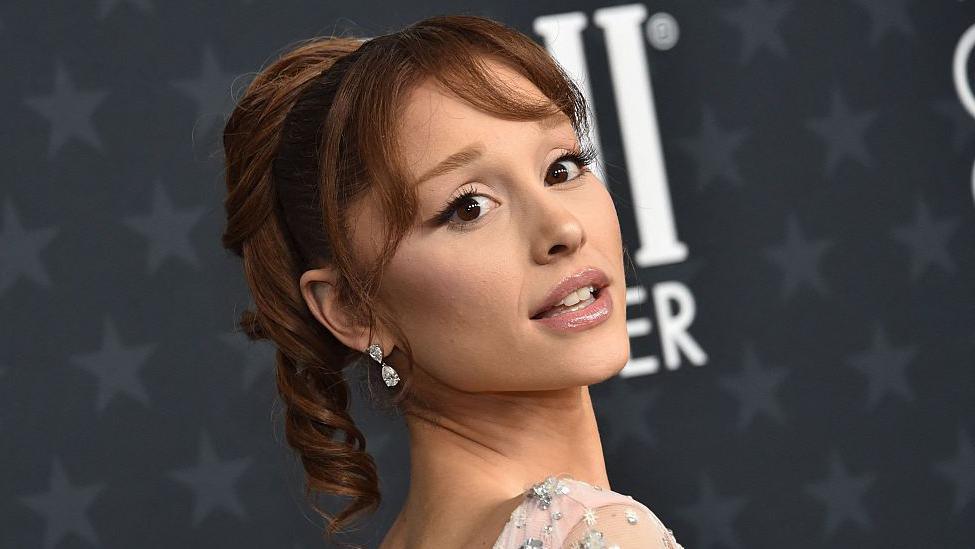
Ariana Grande has filed a lawsuit in Los Angeles against two anonymous hackers who, according to the singer, accessed her collaborators’ computers and leaked 45 unreleased tracks and studio footage. The lawsuit details how the hackers hijacked accounts of photographers and producers, gaining material that was then sold on the dark web for huge sums. Grande’s legal team seeks injuries for invasion of privacy, violation of California’s computer hacking laws and conversion, citing substantial irreparable harm to her career and fan trust. The suits arrive as the star prepares to launch her eighth studio album, "Petal," amid a world tour often touted as a possible long‑term farewell. Industry observers note the case underscores the growing threat to artists from data‑theft and the need for tighter security measures.
A pop superstar has taken legal action, filing a lawsuit in Los Angeles against two unnamed hackers who allegedly breached the computers of her collaborators, stealing 45 unreleased songs and stolen studio footage that, according to the singer, were sold on the dark web for large sums of money.
The lawsuit claims that the hackers targeted photographers and producers, infiltrating their accounts in order to extract protected material. Once on the dark web, these assets were monetised for “significant sums of money.” A Congressional hearing in 2025 is cited in court filings as evidence of the recurring pattern of theft over several years.
Grande’s lawyers say the case is meant to expose the identities of the hackers and to hold them accountable under California’s computer hacking laws. The suit seeks damages for privacy invasion, data theft, a “conversion” of the intellectual property and the resulting irreparable harm to the singer’s reputation and career.
In recent interviews, Grande hinted at the emotional toll of the situation. “Those leaks are not just music; they’re content that has built a relationship between I and my fans. I’m filing this now to protect that sacred bond,” she said, underscoring the firm’s stance on data protection.
The legal action coincides with the release of her forthcoming album, "Petal," scheduled for a Friday launch, and her time‑running Eternal Sunshine world tour. It arrives at a critical juncture, as Grande’s tours and new music are at the center of her public profile and fan engagement.
Industry insiders note the case illustrates a growing trend of data theft targeting high‑profile artists. With the ever‑increasing digitisation of the music production process, the lawsuit could set new legal precedents for protecting artists’ digital assets from unscrupulous hackers.