Allegations of Voter Intimidation Shadow Hungary's Upcoming Elections
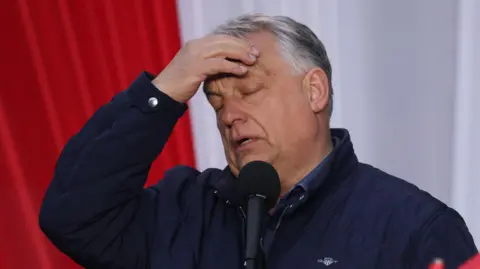
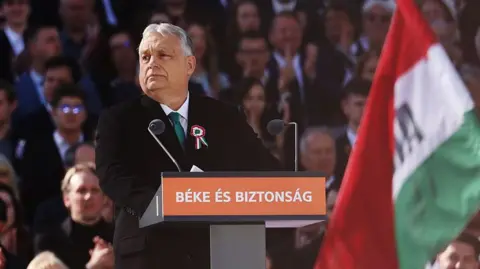
A film released on Thursday ahead of the 12 April parliamentary elections in Hungary has accused Viktor Orban's Fidesz government of large-scale voter intimidation. Many opinion polls indicate that the ruling party is trailing behind the opposition ahead of the elections.
The documentary, titled The Price of the Vote, showcases findings from a thorough six-month investigation by independent filmmakers and reporters. Among the allegations, voters, mayors, and former election officials revealed that substantial amounts of money and even illegal drugs have been used to coerce people into voting for Fidesz.
According to the film, over 600,000 voters across 53 of Hungary's 106 constituencies are affected, which represents a significant portion of the expected turnout of six million.
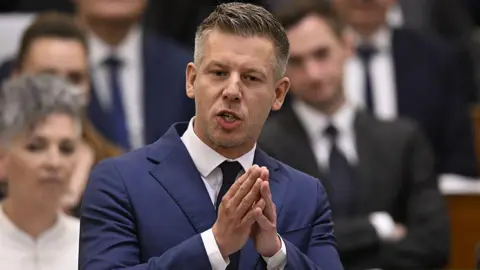
For the first time since the current administration took power, the political landscape appears to be changing as the opposition party, Tisza, led by Peter Magyar, gains ground with recent polls showing them advancing ahead of Fidesz.
The film underscores how local mayors maintain strict control over their communities, distributing essential resources such as jobs and firewood in exchange for votes. Testimonies indicate that in some towns, those who refuse to vote for Fidesz could face losing access to necessary services, or worse, face threats regarding the welfare of their children.
In a shocking twist, some voters have reportedly been offered illegal drugs, known locally as “crack,” as part of the coercive tactics. The documentary presents a grim picture of the power dynamics in rural Hungary, dominated by a deeply entrenched political culture.
Critics point to these allegations as part of a broader trend of vote-buying in Hungary, contrasting significantly with previous instances of such claims which often went uninvestigated. The evidence compiled in The Price of the Vote suggests a systematic operation orchestrated at the highest echelons of the Fidesz party.
In responding to these allegations, the government has remained largely silent, with Interior Minister Tibor Navracsics suggesting that any findings should be dealt with by the Ministry of the Interior, while Orban himself has called for grassroots mobilization among his supporters ahead of the elections.
As Hungary edges closer to what could be a pivotal election in its political history, the weight of these allegations looms heavy, with many uncertain what this means for the future of democracy in the country.