In brief
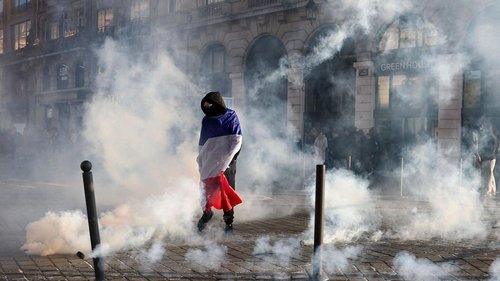
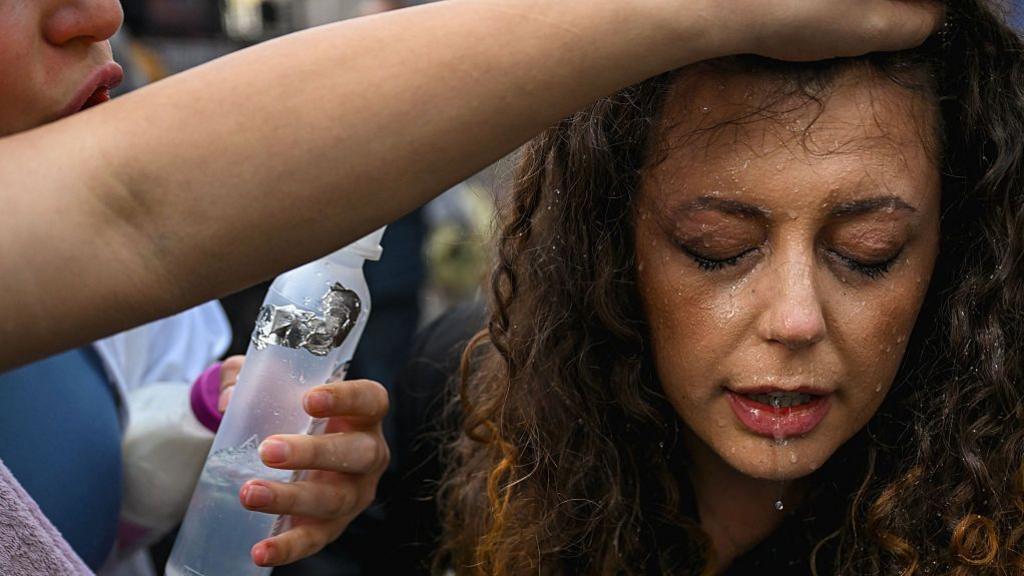
In Tirana, masked students and activists fought a fierce confrontation with riot police this Saturday, the fifth successive day of unrest in Albania. The clash began over the education ministry and then shifted to the prime minister’s office, with tear gas, rubber bullets and petrol bombs fueling chaos. Protesters, many wearing gas masks, handed out saline eyewash to those affected, while the police responded with water cannon and tear gas canisters. The demonstrations have sparked broader questions about corruption, the legitimacy of Prime Minister Edi Rama’s 13‑year rule, and the future of Albania’s European integration. The incidents highlight growing dissatisfaction with the Socialist Party’s leadership and press concerns over alleged scandals, as investigative bodies target key allies of the prime minister.
In the heart of Tirana, masked protesters and riot police collided in a violent showdown this Saturday, marking the fifth day of escalating unrest in Albania. The episode began as students and activists besieged the education ministry, hurling rocks and petrol bombs at unarmed officers. Police rushed in with water cannon and tear gas, scattering the crowds and reportedly deploying rubber bullets for the first time.
The clash reflects a widening anti‑government movement that emerged last summer amid mounting allegations of corruption within Prime Minister Edi Rama’s administration. Protesters have called for Rama’s resignation, demanding greater transparency and a neutral caretaker government. The movement’s intensity is underscored by the sight of volunteers supplying saline eyewash to those affected by tear gas.
By nightfall, the unrest converged on the prime minister’s office, where a larger throng converged on the city’s main boulevard. Giants of resistance hurled cobblestones and fireworks at the police, who retaliated with tear gas canisters that landed behind the demonstrators, causing widespread panic.
Youth voices are central to the movement. Fifteen‑year‑old Klea and twenty‑one‑year‑old Klodi, students who have abandoned classes, stated that they are united in boycotting institutions to fight for their rights. The protests have also highlighted concerns about potential provocateurs and the role of foreign actors.
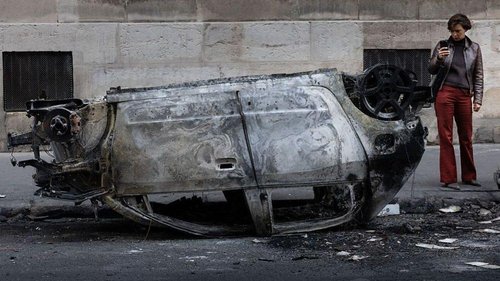
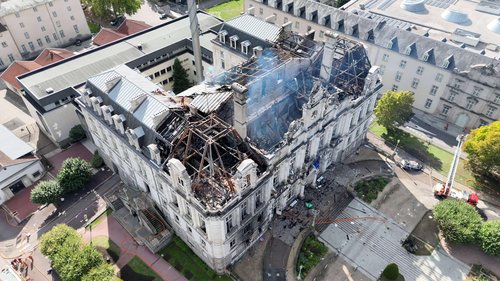
The scene in Tirana resembles a war zone, with broken glass and charred remains scattered across streets. Amid the chaos, police special forces were called in, and nearly a hundred arrests have been reported. The police’s forceful response and the injuries on both sides have drawn international attention.
The turmoil threatens Prime Minister Rama’s carefully cultivated image as a charismatic leader steering Albania toward prosperity. Officials and critics collide over allegations of illegal ties to business interests, while the special prosecution service has arrested key figures linked to the government, including former government official Ergys Agasi. Critics suggest that Rama’s concentration of power has made him the sole target of public frustration.
With the next parliamentary elections scheduled for 2029, the current protests push the political clock forward, demanding a thorough tackling of corruption, democratic reform, and a considered stance on Albania’s EU membership ambitions.