A year‑long ordeal: Families fight to identify Air India crash victims
The ill‑fated 12 June flight of Air India AI‑171 skidded into a hospital hostel in Ahmedabad, killing 260 people, including 241 passengers. While the investigation focused on accident causes, the families of victims faced a far grimmer problem: finding the remains of loved ones in a disaster that left many bodies charred and many bones commingled.

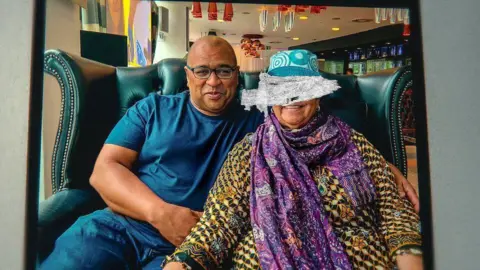
In the weeks after the disaster, the Patel family struggled to recover Miten's parents’ bodies. Three weeks after the crash, a CT scan of his mother’s casket revealed skeletal fragments from another, unidentified man. Miten protested the mixing, demanding separation before his mother's burial. A month later, the remains were finally returned, yet another delay caused the Patel family to postpone Ashok's last rites until both could be honored together.
The UK coroner, Fiona Wilcox, opened an inquest into the male found in Shobhana’s casket. Palm prints and DNA were sent to India, but no identification has yet been confirmed. “The identity of the unidentified male remains outstanding. I hope that identification will be forthcoming,” Wilcox said in a recent hearing.
Experts explain that the crash’s sheer scale—37,000 m² of wreckage and temperatures reaching the mid‑40s Celsius—made proper victim identification extremely difficult. Many bodies were severely charred, destroying fingerprints and facial features. In the chaos, remaining bones were often mixed, a process known as commingling.
Dr Deepak Venkatesh, a forensic specialist, described the painstaking process of numbering and photographing every fragment before sending them to laboratories. He noted that the forensic lab in Gandhinagar was overwhelmed by the volume of DNA samples, forcing authorities to prioritize DNA over dental records, which are typically faster for identification.
The National Disaster Management Authority reflected on these challenges. In January, new guidelines were issued to strengthen “Comprehensive Disaster Victim Identification and Management.” The report stresses the need for more regional DNA‑testing facilities and a greater role for dental data, while acknowledging that systematic victim identification has previously received inadequate attention.
While the push for transparency has highlighted the seriousness of the mishandling, families like the Patels contend that accountability remains insufficient. “At no stage has anybody in India in a position of authority accepted responsibility,” James Healey‑Pratt, lawyer for the family, said.
The story of the fractured remains and delayed funerals reflects the often‑overlooked aftermath of disaster: beyond rescue and immediate relief, families endure long‑term grieving and uncertainty until each body can be definitively identified.