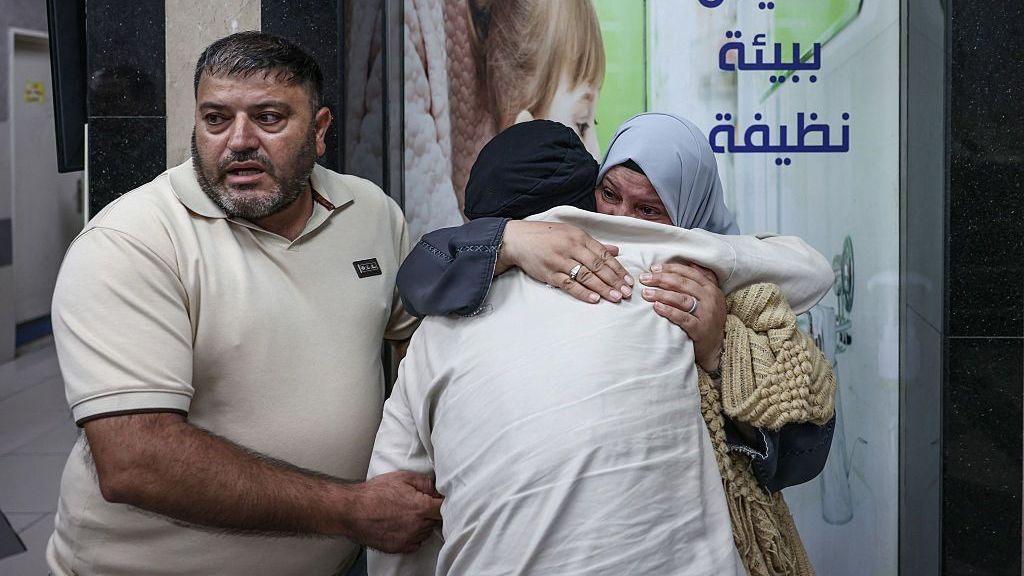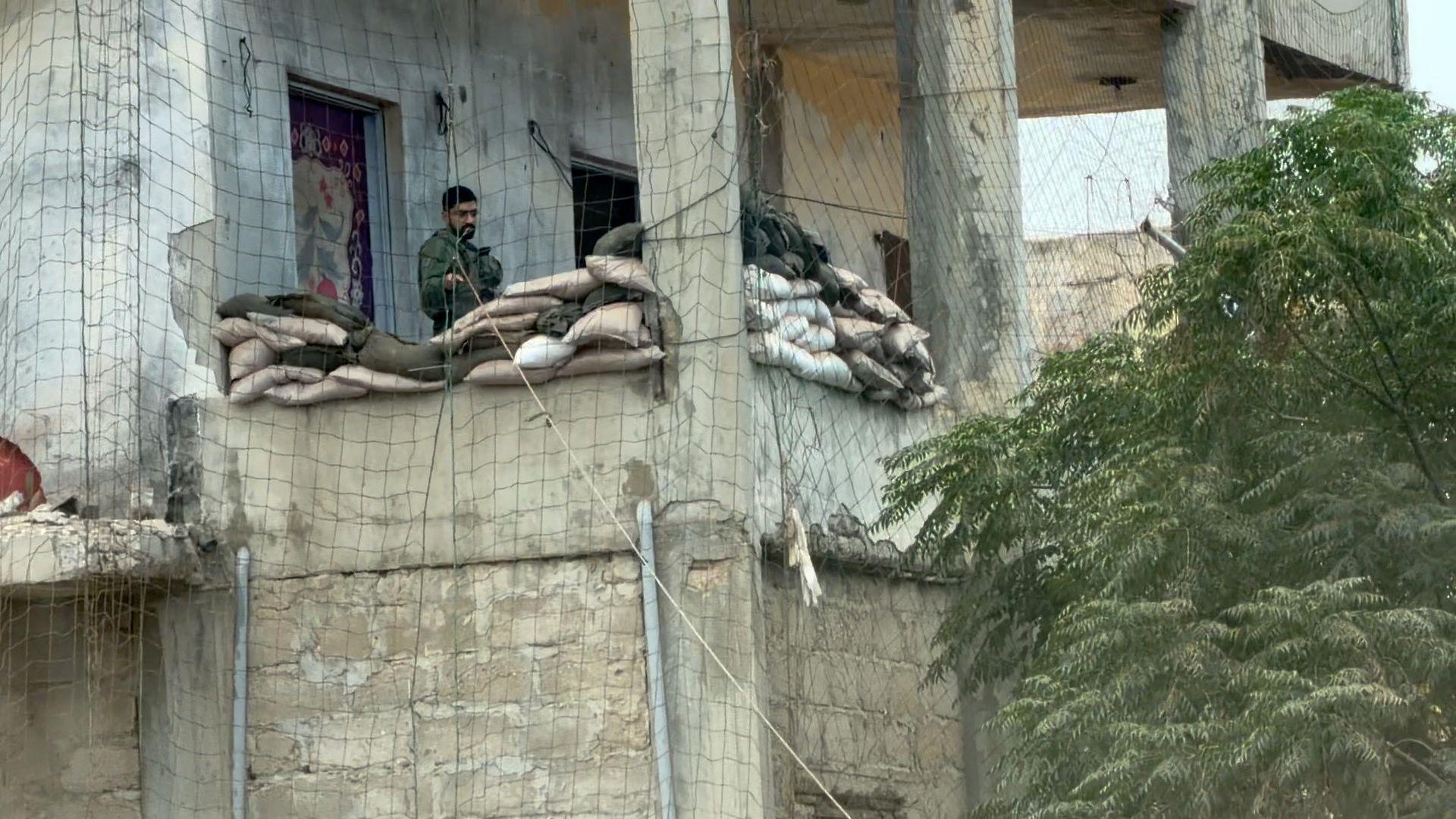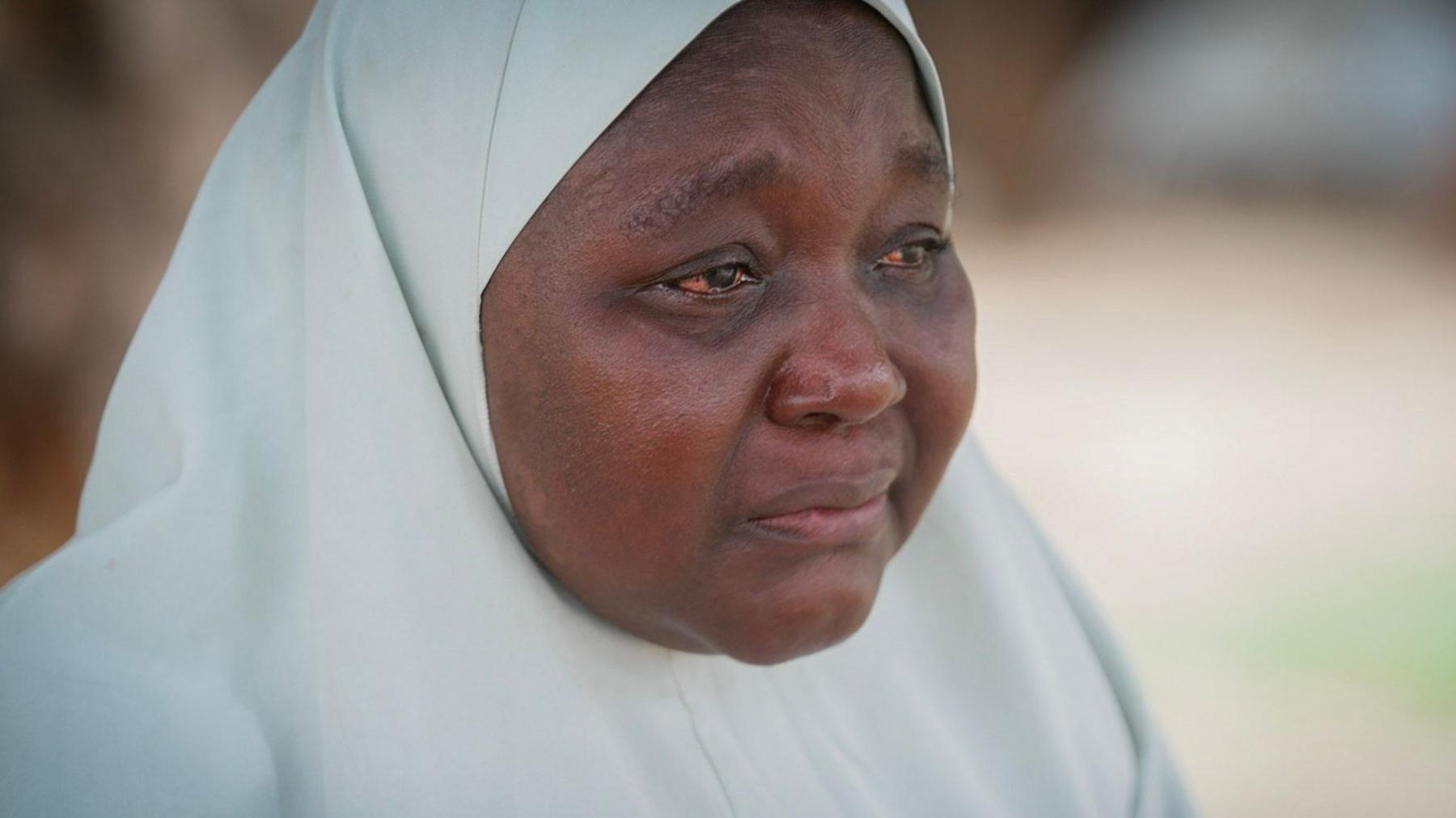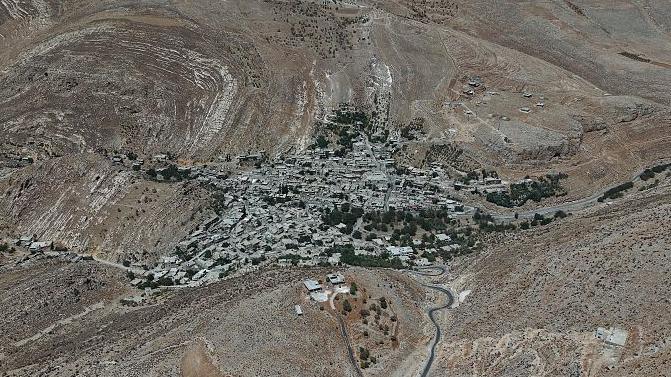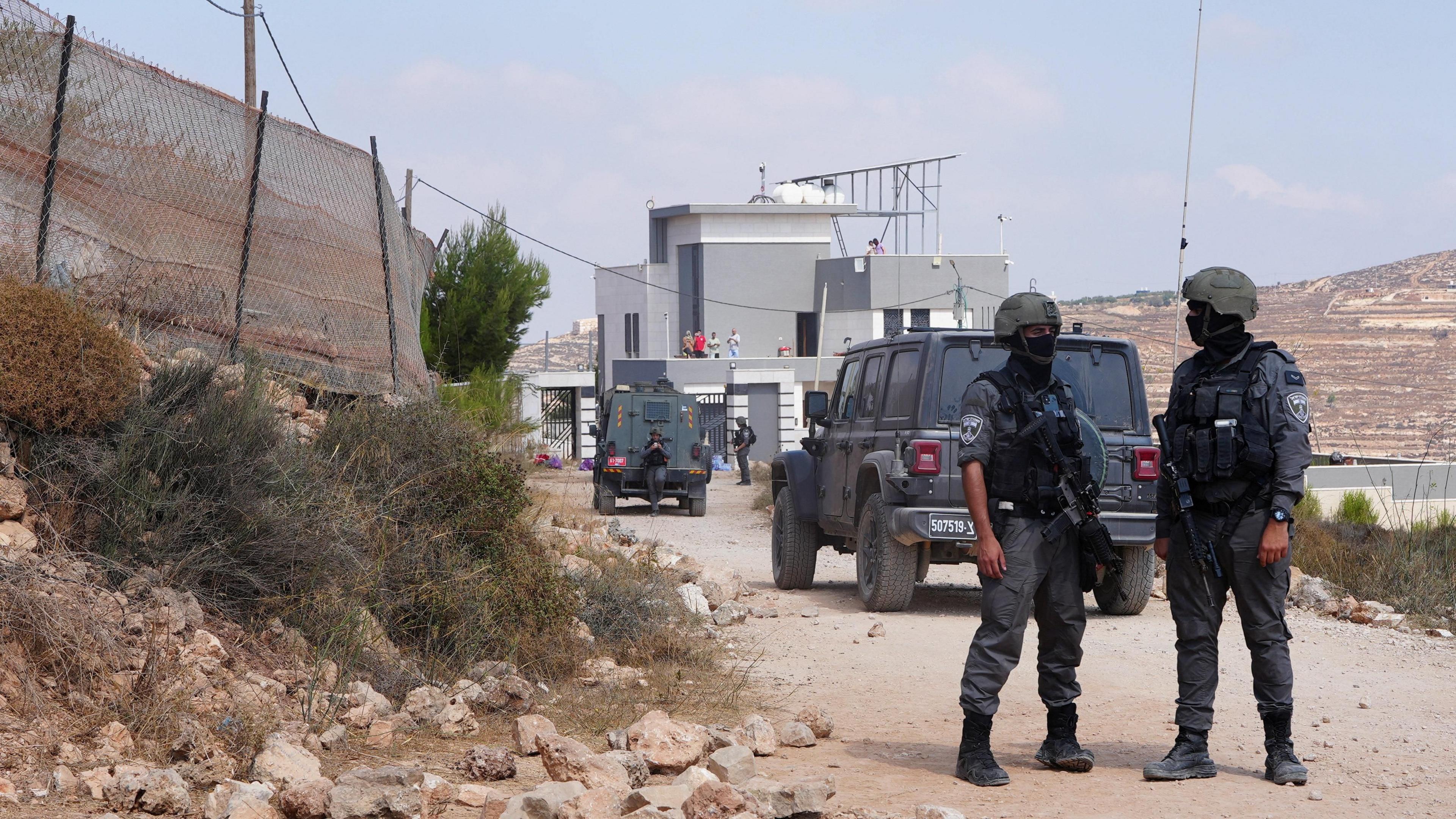
In Qusra, West Bank, Palestinian families have spent days in their homes cut off from electricity and water, after Israeli settlers blocked the roads leading to their gates.
A small group of activists tried to leave supplies – water bottles and packaged food – near one of these houses, hoping to reach the trapped families. According to the activists, Israeli soldiers did not allow the aid to be handed directly, forcing the volunteers to drop the packages outside the residences. The Israel Defence Forces denied any delay but acknowledged the area was a “closed military zone,” telling villagers that civilian activists could not enter but could transfer aid.
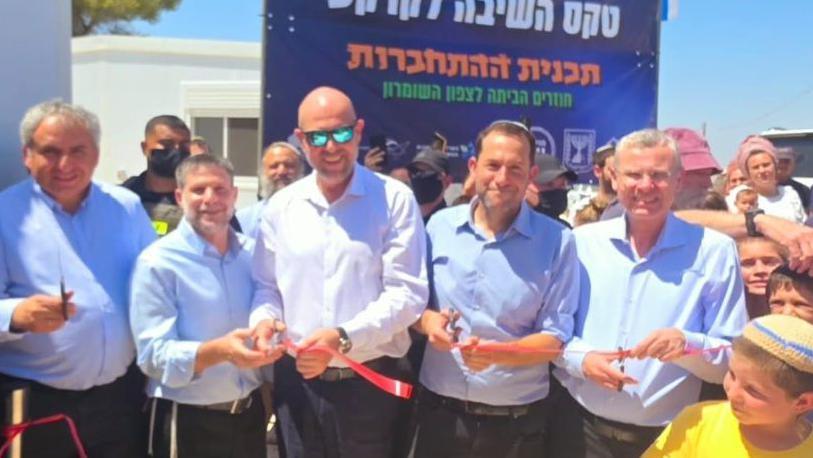
The following Friday, settler volunteers erected a temporary tent near the Qusra site. Israeli troops later removed the shelter, citing the safety of the remaining residents. The area was officially flagged by the Israeli military as a closed zone, a designation that had complicated the logistics of humanitarian aid.
The dispute highlights a pattern of settler behaviour seen throughout the West Bank, where occupied property is often seized and residents displaced. The UN Commission on the Status of Refugees notes that since Jan. 2023, more than 6,300 Palestinians have been moved from 127 communities, while the Israeli army records approximately 3,800 displacements in 2026 alone.
Although the Israeli government is legally prohibited from expanding settlements under international law, it continues to support rapid growth. The latest skirmish in Qusra reinforces how Israeli forces struggle to curb rising settler aggression and protect settled communities in the occupied territories.