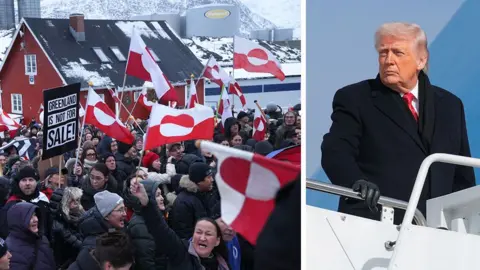
The recent diplomatic controversy involving Greenland has left many US allies contemplating the future of their relationships, particularly with President Donald Trump at the helm. What began as a routine geopolitical discussion escalated into a crisis, drawing attention away from other international affairs.
In the wake of a successful military operation in Venezuela, Trump’s outlook on Greenland took a combative turn, leading to claims of ownership and a barrage of threatening rhetoric against allied nations. This trend culminated in aggressive discussions about tariffs and military posture, unsettling longstanding diplomatic ties.
Fortunately for the North Atlantic alliance, NATO Secretary General Mark Rutte intervened, attempting to stabilize the situation after two weeks of tumultuous relations. Rutte’s assurance of a working group addressing Greenland’s future may provide a more constructive framework for negotiations.
Despite this, questions linger concerning why a dramatic crisis was necessary to initiate dialogue on issues Denmark was already open to discuss, such as strengthening the American military footprint in Greenland.
While the specifics of any agreements remain undisclosed, rumors suggest a potential arrangement wherein Denmark may cede small areas of Greenland to the US for military installations, referencing similar treaties established by the UK in Cyprus.
At the heart of these discussions is access to Greenland's vast mineral resources, a priority for Trump. NATO additionally highlighted the objective of preventing Russia and China from exerting influence in the region, intending to rally the seven Arctic Allies around the issue.
As details of this diplomatic encounter unfold, the memory of the Greenland crisis will linger, shaping how allies perceive US intentions and reliability. The enduring sentiment among European leaders, highlighted by responses from figures like Canada’s Prime Minister Mark Carney, indicates a recognition that the status quo in international relations has shifted dramatically, demanding a reevaluation of how alliances are maintained.