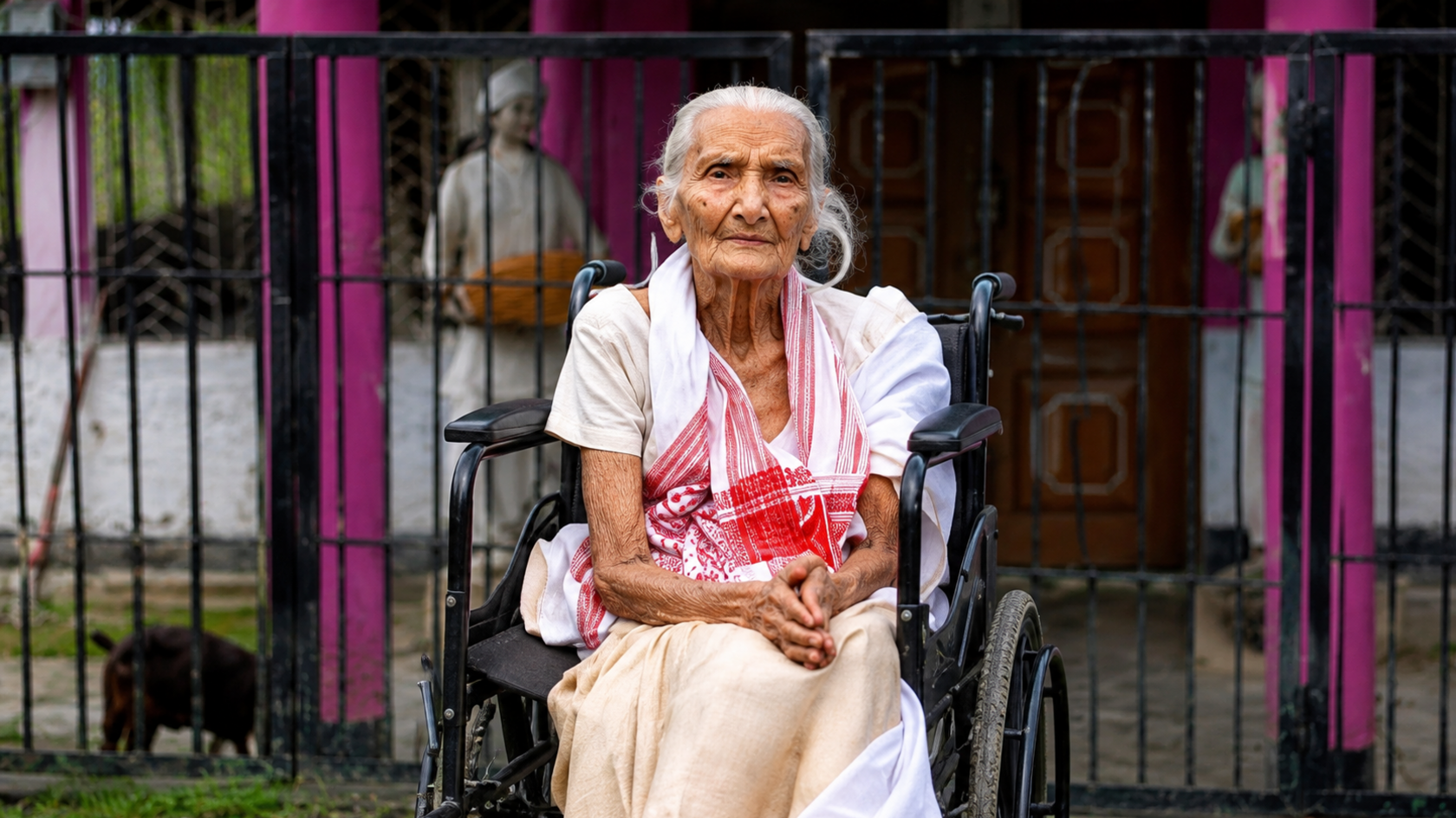
At just after midnight on 19 July, floodwaters alarmed a village in Assam’s Sivasagar district. High‑power currents swept through the homes of Bornali Baruah and her husband, forcing them to lift their ninety‑seven‑year‑old mother onto a raft made from banana trunks.
The makeshift buoy carried the family across water that was three to four feet deep. After an hour they reached a shelter camp by a national highway, the first emergency refuge on their doorstep.
The flood, the worst in a decade for the area, submerged over 19,000 houses and left 100 dead across twenty‑five districts. Nearby, a relief camp sheltered more than 5,000 people amid rising rivers that breached traditional embankments.
Baruah, who moved from journalism to animal husbandry in 2016, lost a large portion of her 300 goats, 500 ducks, 1,000 chickens and fish stock. Her household lost furniture, laptops, a vehicle and a library of books; none of the livestock had insurance cover.
Geography professor Dhrubajyoti Sahariah explains that the Brahmaputra and its tributaries have moved beyond historical flood patterns, fueled by high rainfall, deforestation, mining and encroachment on floodplains.
He calls for basin‑wide planning across states, better coordination and a scientific understanding of river dynamics. The region’s future may depend on such cooperation, he says.
Back at home, Baruah and her family temporarily stay with a neighbour. Her resolve to return is strong, but she is learning to build a refuge, heighten foundations, and store supplies for future floods, aiming to coexist with the inevitable flooding.