In brief
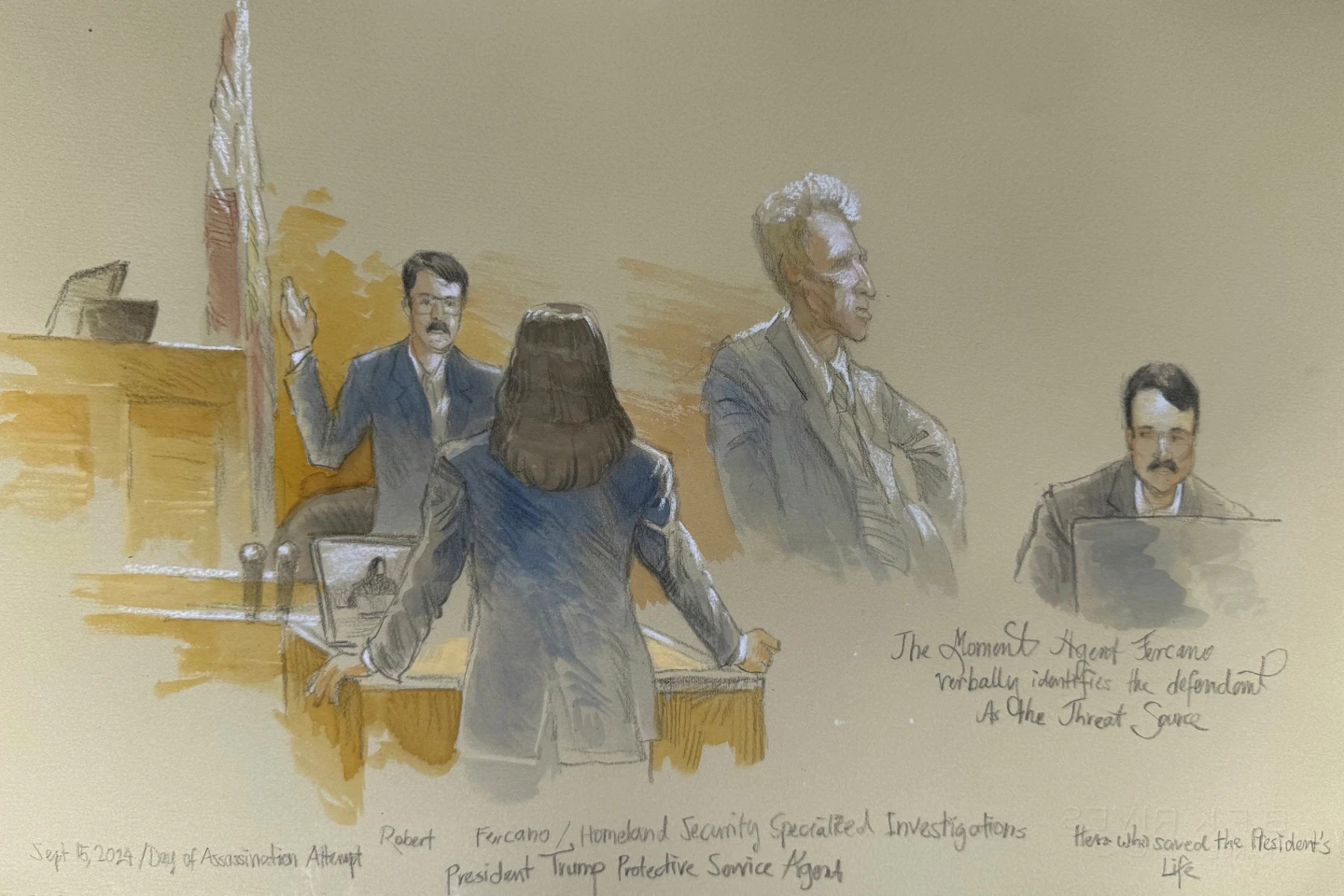
In Fort Pierce, Florida, Ryan Routh, the man accused of planning an attempted assassination of former President Donald Trump, prepares to deliver his closing argument in federal court. Routh has pleaded not guilty to multiple charges including assaulting a federal officer. The presiding judge has cautioned Routh to adhere strictly to courtroom protocols during his presentation. This trial follows a controversial engagement by Routh, who faces federal and state charges for his alleged violent intentions toward Trump.
FORT PIERCE, Fla. — Ryan Routh, a self-represented defendant, is set to present his closing arguments in his federal trial where he faces charges related to an attempted assassination of former President Donald Trump. The judge, Aileen Cannon, has issued stern warnings regarding adherence to courtroom rules, indicating that his time could be cut short if he deviates from the evidence and testimony presented during the trial.
Routh, who has pleaded not guilty, is accused of spending weeks plotting to kill Trump before allegedly aiming a rifle at him while Trump played golf on September 15, 2024, at his West Palm Beach country club. He faces charges including attempting to assassinate a presidential candidate, assault on a federal officer, and multiple firearm offenses.
During court proceedings, Judge Cannon emphasized that closing arguments are meant to synthesize the evidence rather than serve as a platform for Routh to provide testimony. Routh chose to waive his right to testify in his own defense but still claims he has been misunderstood throughout the trial.
The prosecution had a significantly extensive presentation period, calling 38 witnesses over seven days, contrasting Routh's three witnesses during three hours of testimony. This disparity highlights the defendants’ challenges in making a compelling case against the seasoned prosecution.
Notably, Routh has a troubled past that includes previous arrests and allegations of seeking to intervene in various global conflicts. His past actions have raised alarms about his mental fitness and motivations, and he proclaimed to be involved in dangerous ventures to integrate himself into armed conflicts around the world.
As the trial progresses toward a conclusion, Routh's future depends heavily on the jury's perception of the evidence presented and his ability to compellingly argue his defense under the courtroom's tight regulations.