In brief
JD Vance's diplomatic overture in Greenland raises questions on security, independence, and US intentions amidst local discontent.
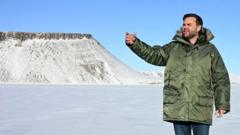
US Vice-President JD Vance’s recent visit to Greenland has taken a tense turn, emphasizing not only the strategic relevance of the icy landscape but also the growing discord between the island and the demands of foreign powers. The stunning backdrop of the northern lights over Nuuk contrasted sharply with the somber realities addressed during Vance's visit to a remote military base, where he emphasized the need for Greenland to confront external threats posed by China and the evolving global landscape.The Vice-President's remarks hinted at a stark message for the autonomous Danish territory, stressing that Greenland must abandon its "weak" ties with Denmark and instead embrace a more proactive partnership with the United States. Vance suggested that the era of complacency regarding powerful nations' ambitions in the Arctic is over. "We can't just bury our head in the snow and pretend that the Chinese are not interested in this very large landmass," he stated while addressing US troops at the Pituffik base. This comment underscored the region's newfound strategic significance amid a broader geopolitical power struggle involving China, the US, and Russia.However, reactions back in Nuuk indicated a growing discomfort among Greenlanders regarding increased US pressure. Following Vance's remarks about security partnerships, Danish Prime Minister Mette Frederiksen expressed her discontent, labeling his approach "not justifiable." Amidst this political backdrop, a separate local celebration was unfolding, highlighting a newfound coalition government aimed at steering Greenland towards full independence from Danish oversight. This marked a moment of collective joy for the largely Inuit population, reinforcing their commitment to self-determination. Local sentiment appears to lean against an aggressive assertion of US intentions, as a recent poll revealed that only 6% of the residents support aligning more closely with the US. "It's like a threat," remarked artist Lisbeth Karline Poulsen, capturing the broader apprehension felt across the island regarding Vance's strong rhetoric.Under the new government, Greenland is adopting a cautious approach toward independence, focusing on sustainable economic development while simultaneously addressing concerns about potential foreign exploitation. In this context, Vance's comments about supporting Greenland's self-determination are viewed with skepticism, raising fundamental queries about the US's real intentions in the region. While Vance attempted to assert that the US wished to respect Greenland’s sovereignty, skepticism lingers over whether this approach aligns with President Trump’s more aggressive stance. During the visit, Vance's family cultural tour faced local protests, which led to its cancellation—an indication of the friction between the US-led plans and the islanders’ expectations for respectful engagement.In navigating this complex relationship, it appears that a slower, nuanced diplomatic approach may yield better outcomes than the current higher-pressure tactics. Greenlanders seem open to collaboration, but they seek reassurance that their sovereignty and cultural identity are respected. As the region's significance grows amidst geopolitical tensions, the need for clear communication and mutual understanding between Greenland and foreign powers cannot be overstated.