
In brief
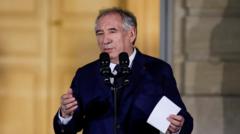
François Bayrou, the newly appointed Prime Minister of France, emphasizes addressing the country's debt as a moral obligation, while navigating a fragmented political environment and striving to avoid pitfalls faced by his predecessor.
Following the recent appointment of François Bayrou as France's Prime Minister, political observers are closely monitoring the new administration's approach to the nation's pressing challenges. Bayrou, a seasoned politician and leader of the centrist MoDem party, was selected by President Emmanuel Macron to restore stability amid escalating political tensions and a significant public debt crisis.On his first day, Bayrou acknowledged the immense responsibility resting on his shoulders, calling the task of addressing France's spiraling deficit—a projected 6.1% of GDP this year—a "Himalayan" undertaking. He stated that not only is the financial situation a concern, but it is also a "moral obligation," emphasizing the unfairness of leaving this burden for future generations. His comments highlight a focus on ethical governance in economic management.Bayrou’s appointment follows the abrupt dismissal of his predecessor, Michel Barnier, after only nine days in office, which occurred due to widespread rejection of the budgetary reforms he proposed. This rapid leadership change underscores the turbulence within Macron's government, which has seen three prime ministers in just a year and is now aimed at achieving bipartisan support to safeguard against further instability.In light of a recent poll indicating that 61% of French citizens are apprehensive about the nation’s political future, Bayrou's ability to broker consensus across party lines will be critical. His predecessor's tenure ended prematurely, with the far-left coalition LiFi threatening a no-confidence vote should Bayrou's government falter. Bayrou’s strategy will hinge on establishing a rapport with both left and right factions, while engaging in dialogue with centrist parties that previously restrained from joining the government.Despite a challenging political landscape, Macron has reaffirmed his commitment to lead until the conclusion of his term in 2027. Yet, the task ahead will require deft political maneuvering, particularly given the divisions noted in parliament, where multiple factions remain reluctant to align with a centrist head of government.The road ahead for Prime Minister Bayrou is fraught with uncertainty, as his party's relations with both the left-wing and far-right groups come under scrutiny. The upcoming months will be crucial as he seeks to implement necessary reforms whilst navigating the complexities of a divided assembly. Ultimately, his success or failure may well define the trajectory of French governance in the immediate future.



