
In brief
The updated guidance reflects a changing security landscape, emphasizing self-sufficiency, food storage, and mental readiness amid potential conflict.
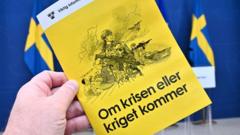
Swedish citizens will soon receive a revised pamphlet titled "If the Crisis or War Comes" in their mailboxes, as the government aims to prepare the population for potential crises due to an evolving security environment marked by Russia's invasion of Ukraine. The booklet has been expanded from its previous version six years ago, doubling its size to address the heightened risks.Finland has also taken steps by releasing an updated guide online titled "Preparing for Incidents and Crises," while Norway recently distributed pamphlets urging its citizens to be ready to sustain themselves for a week in the event of emergencies, including extreme weather and military threats. Norway's guide includes essential recommendations of stockpiling long-lasting food items, such as canned goods, and medical supplies, including iodine tablets for nuclear safety.Unlike Sweden and Norway, the Finnish government has opted for a digital brochure instead of printed copies, citing the high costs associated with mailing physical copies to every household. Millie Lindgren, the campaign coordinator in Finland, pointed out that this method allows for easier updates.The Swedish pamphlet echoes historical sentiments, harkening back to its initial publication during World War II, while reinforcing a message of resilience: “If Sweden is attacked by another country, we will never give up.” Civil Defence Minister Carl-Oskar Bohlin highlighted the necessity of providing updated information to Swedes, cautioning that “there could be war in Sweden,” which he described as an alarming sign of the current global landscape.Both Sweden and Finland, which recently joined NATO, emphasize community preparedness as essential for their national security. While Finland's longstanding military readiness contrasts with Sweden's historically neutral stance, recent events have catalyzed a renewed focus on civilian safety and preparedness.In light of potential conflicts, the pamphlets encourage citizens to stockpile food, water, and essential supplies while being ready to survive for critical periods. For instance, Swedish citizens are advised to have items like potatoes, canned pasta, and soups, along with sufficient drinking water for up to 72 hours. Meanwhile, Finns face practical challenges for survival in harsh winter conditions, often without power.With security-related anxiety weighing on the populace, individuals like Melissa Eve Ajosmaki share their concerns, particularly for family members in Finland. As citizens await the arrival of the pamphlets, many are left reflecting on their own preparedness, emphasizing the importance of community efforts to stay informed and ready for any eventuality with the changing tides of global politics.


