In brief
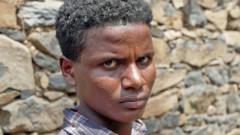
Berhane Haile, a 17-year-old boy from Tigray, Ethiopia, lost his left leg and parts of his fingers after stepping on an explosive device while walking home from school. His life is a stark reminder of the remnants of the devastating civil war that has left countless unexploded ordnance scattered throughout the region. His tale is not just one of injury but also resilience, as Berhane strives to continue his education and dreams of a future in civil service despite his trauma.
Berhane Haile, now 17, was walking home from school through the rugged terrain of Tigray earlier this year when he stepped on an explosive device, drastically altering his life. The incident occurred in a region troubled by the remnants of a civil war that ended just two years ago, leaving the countryside littered with unexploded ordnance, including grenades and shells abandoned by departing combatants.Berhane's journey to safety was fraught with pain; he described how the explosion hurled him backward, leaving blood pouring from his wounds. Villagers rushed to help, carrying him for two hours on foot to the nearest hospital in Adwa, where medics ultimately saved his life but had to amputate his left leg. Additionally, he lost functionality in parts of his hands.The presence of unexploded munitions remains a silent threat in Tigray, where warnings like painted red stones are some of the only defenses the local population has against further tragedies. With the Red Cross reporting nearly 400 cases of unexploded ordinance victims—mostly children—since 2023 alone, the danger is far from over. The conflicted landscape has resulted in an ongoing humanitarian crisis as various agencies struggle to respond effectively.Around the time of Berhane's accident, Nigsti Gidey, a pregnant woman, lost her husband to a similar mishap in Newi district. As survivors grapple with their physical and emotional scars, the need for comprehensive ordnance clearing efforts becomes increasingly urgent. Officials have voiced concerns about their limited resources in dismantling or safely storing the leftover explosive materials.Despite the horrors of war and its aftermath on his life, Berhane is aiming for a brighter future. His dreams of being a farmer have been shattered, but with support from humanitarian organizations, he now possesses a prosthetic leg. Adapting to his new reality, Berhane has relocated to Adwa with a sister where he can return to school—a journey now fraught with challenges given his altered mobility and the need for assistance in class due to his injuries. While the conflicts that ravaged their community have subsided, the echo of gunfire has been replaced by cries for action against the hidden dangers that persist. Berhane, determined and resilient, has set his sights on continuing his education and aspiring to become a civil servant to help his family and community rebuild in this new chapter of their lives.