A 5,000‑tonne Food Waste Smell Binds Los Angeles
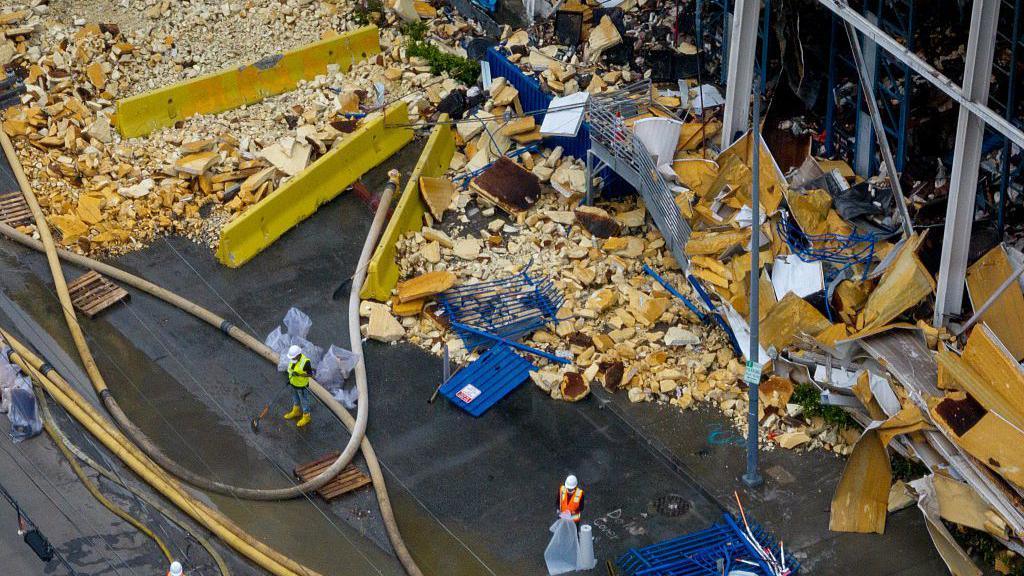
On 17 June a massive waterfront warehouse in Boyle Heights burst into flames, leaving behind an astonishing 39 million kilograms (≈85 million lbs) of rotting meat, poultry and seafood. The scales of the waste are comparable to the cargo of a large container ship, yet the fire exposed a new, pervasive problem: an odorous cloud that makes residents feel nauseated and deters them from the area.
The scent, described as “like a dead body” by a local security guard, has spread beyond the warehouse boundaries, touching business storefronts and nearby homes. The odor is exacerbated by high temperatures that accelerate bacterial decomposition, creating an environment that attracts flies and rats. In fact, residents have reported “black, blue and green” flies wafting around their shoes, and multiple large rats skittering along sidewalks.
Lineage, the temperature‑controlled warehousing company, has announced that it has removed 80 % of the food waste and is working around the clock to dismantle damaged parts of the structure, with an eye on reducing the strongest smells. However, city officials have denounced the pace and transparency of the cleanup, citing “unsanitary and nuisance” conditions and issuing $500‑per‑day citations. Bass, who is running for mayor re‑election, addressed the community in a letter, stating that residents demanded “timely information...and meaningful support.” The mayor has mobilised city departments, and additional resources such as air purifiers, mobile health clinics, sheriff's office personnel, and local environmental agencies have been dispatched to the site.
The Local Economy: Local entrepreneurs have been hit hard by the odor. A home‑based coffee stand owner, Alex Sicairos, felt that the fire destroyed his daily customers, and he noted that the presence of flies and the strong stink deterred loyal patrons who never returned. When this leaf‐sticker community‑aware quan to 5- noise voice. The burnt warehouse has become witness. It also bid at no--the accent is missing.
The cleanup expectations have risen. The line says they estimate the final operation could cost between $80 million and $100 million. City officials have letters to customers. Additional policy has forced the company to win the property. This communication is as well as calls to rescue those that have lost their notice. Future city planners must redo the process for safety.