
In brief
As violence and instability grip Sudan, the UN's relief chief, Tom Fletcher, visits the devastated town of El Geneina to hear from displaced survivors, revealing the dire humanitarian crisis exacerbated by war and famine.
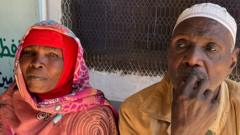
In a poignant visit to El Geneina, the ghost town of West Darfur, UN’s Under-Secretary-General for Humanitarian Affairs, Tom Fletcher, witnessed the aftermath of the region’s brutal conflict, which has persisted for over 19 months. The town's devastation tells a haunting story of destruction, with charred structures and bullet-ridden buildings marking a landscape afflicted by untold horrors.Characterizing Darfur as experiencing "the worst of the worst," Fletcher emphasized the acute dangers facing civilians, including rampant sexual violence and the looming threat of famine. His visit, a breakthrough after complex negotiations with rival military factions, highlighted the challenges that humanitarian efforts face in a region torn apart by chaos and violence.Last year, violence erupted in El Geneina, leading to massacres that human rights organizations, including the UN, have condemned as ethnic cleansing and potential war crimes. Reports indicate that clashes between the Sudanese Armed Forces (SAF) and the Rapid Support Forces (RSF) resulted in thousands of civilian deaths, with as many as 15,000 people reportedly killed.Limited access for journalists has restricted firsthand accounts from El Geneina. Still, stories emerge from asylum-seekers, like a young girl who described the horror of fleeing while relatives were killed. Echoing her experience, another woman recounted how the war destroyed their ability to farm, leaving them facing acute food shortages.During Fletcher’s visit to an informal camp on the Chad-Sudan border, families displaced from El Geneina shared their grief and desperation, drawing attention to the urgent need for humanitarian support. The camp, a vivid tapestry of resilience, revealed the human cost of the conflict. Yet, amidst the misery, a community elder implored for assistance, emphasizing their neutrality in the ongoing power struggle.The grim past of El Geneina reminds us of a lengthy history of conflict rooted in ethnic tensions, which dates back decades to encounters with the Janjaweed militia. Now, many women in displacement are assuming the role of family providers as men are often absent or lost to violence.Fletcher's interactions revealed anxiety among local NGOs struggling to address the dire needs with limited support. Tariq Riebl, associated with the Norwegian Refugee Council, expressed his fears that global crises risk sidelining humanitarian attention in Sudan, questioning if the world still cares amidst competing events.The increasing declaration of famine in various regions of Sudan, with alarming levels of malnutrition, signals a grave escalation in humanitarian need. While Fletcher's visit aims to facilitate aid distribution, obstacles remain, including the need for permission and cooperative access from warring factions.With the complexity of the Sudanese conflict underscored by external influences from countries like the UAE and Egypt, Fletcher spoke of a commitment to fight against impunity and secure access for humanitarian efforts. As he concludes his visit, many hope this step can catalyze a more robust global response to what has become one of today's most urgent crises.


