In brief
A watchdog group has petitioned the U.S. government to intervene in coffee imports from Brazil, alleging forced labor conditions in the coffee supply chain, impacting major retailers like Starbucks and Dunkin'.
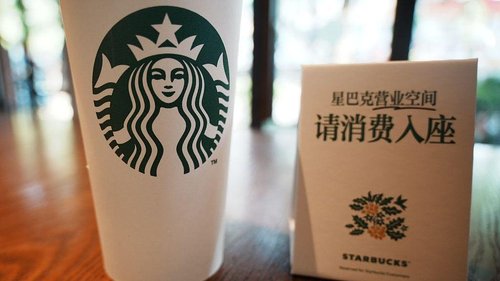
In recent developments, allegations of forced labor in Brazil’s coffee production are prompting legal actions urging the U.S. government to examine its import regulations. An advocacy group named Coffee Watch has put forth a petition to Customs and Border Protection, urging the administration to block coffee imports that involve labor practices equated to modern-day slavery. This significant move targets several prominent American retailers, including Starbucks, Nestle, Dunkin’, and others, highlighting the troubling issue of human trafficking in Brazil, which is renowned for being the world's largest coffee producer.Etelle Higonnet, the founder of Coffee Watch, emphasized the systemic issue at play, stating, “We’re exposing an entrenched system that traps millions in extreme poverty and thousands in outright slavery.” This alarming assertion comes in the wake of a separate class-action lawsuit filed against Starbucks by the International Rights Advocates. The suit represents the claims of eight Brazilian workers who allege they were subjected to trafficking and forced labor while working for a supplier to Starbucks.Terry Collingsworth, the human rights lawyer behind the lawsuit, noted that the situation points to a widespread trafficking system benefiting major corporations, further underscoring the urgent need for accountability from companies like Starbucks. As public awareness grows regarding labor practices in the coffee industry, the call for greater scrutiny and change in how coffee is sourced may intensify, challenging the operations of these large retailers in the U.S. marketplace.