
In brief
Despite experiencing severe pollution levels, many cities in northern India remain largely overlooked. While Delhi receives significant media attention, cities like Chandigarh face equally hazardous air quality, affecting residents’ health and well-being. Experts highlight the need for broader awareness and urgent action.
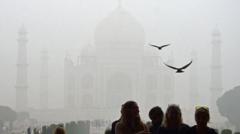
The iconic Taj Mahal is often visible through a haze of toxic smog, representative of the serious air quality issues that afflict many cities across northern India. Chandigarh, a planned city located approximately 240 km from Delhi, exemplifies this plight, where lawyer Imran Ahmed Ali describes stepping outside and feeling like he was inhaling smoke. The pollution levels have consistently surpassed the World Health Organization's safe limits, leaving Mr. Ali and countless others grappling with persistent respiratory issues.A recent report from Swiss-based IQAir noted that eight of the ten most polluted cities worldwide are situated within the Indo-Gangetic plains, a region dense with nearly 541 million people spread across several states in northern India. This pollution often results in a decrease in life expectancy; the Energy Policy Institute at the University of Chicago estimates an average reduction of 5.4 years.Despite the severity of the situation throughout the region, media attention largely centers on Delhi, which enacts an annual action plan that includes restrictions during peak pollution times. In contrast, smaller cities receive little to no proactive measures, leading residents like Mr. Ali to feel neglected. As environmental strategist Partha Basu points out, there is a disconnect in public perception, where rural areas are often mistakenly viewed as pollution-free.The region's pollution is a multifaceted issue, caused by construction activities, traffic emissions, industrial waste, and seasonal agricultural burning. In winter, stagnating cold air traps these pollutants close to the ground, resulting in hazardous air quality that forces people indoors and threatens their health.Dr. Rajesh Gupta from Fortis Hospital reports an increase in respiratory complications in patients, especially the young and elderly who are particularly vulnerable to air pollution. The emotional toll is also profound, with individuals like Aditi Garg from Meerut, who cherished time outdoors, now confined indoors next to her air purifier – a routine drastically transformed by poor air quality.For many, the grim reality of outdoor work prevents them from escaping the toxicity of their surroundings. Daily wage workers and vendors across Uttar Pradesh, for example, are at the mercy of the polluted air, with individuals like Mohammed Salim Siddiqui expressing concern for his family's health while facing the necessity of braving the elements for survival.Despite the introduction of the National Clean Air Programme in 2019, which aims to significantly reduce particulate matter in the air, critics argue that the lack of cohesiveness and communication between local and governmental entities hampers real progress. While there have been efforts to address pollution at the government level, cities like Chandigarh and Meerut continue to suffer, as communities like Mr. Ali’s and Ms. Garg’s slowly succumb to an air quality crisis that is often dismissed or forgotten during less polluted months. It is imperative to broaden the conversation and ensure that all affected cities, not just Delhi, receive the attention and resources necessary to combat this pressing environmental health issue. "People have just accepted this as part of their lives," lamented Mr. Ali, underscoring a wider societal indifference that must be addressed in the fight for cleaner air.

