In brief
The Integrated Food Security Phase Classification highlights critical food insecurity affecting millions in the region.
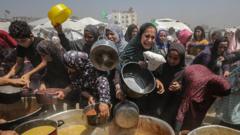
The Integrated Food Security Phase Classification (IPC), a UN-backed body, has issued a grave warning regarding the humanitarian crisis in Gaza, stating that its population of approximately 2.1 million Palestinians is facing an acute risk of famine. The situation has rapidly deteriorated since October 2024, primarily due to the persistent Israeli blockade on aid, exacerbated by renewed military operations.According to the report released on Monday, while a ceasefire between Israel and Hamas provided a brief respite, renewed hostilities and a blockade have undone previous improvements in food security. Currently, an alarming 244,000 individuals are reportedly experiencing "catastrophic" levels of food insecurity, signaling the urgent need for action to halt an impending famine.The blockade, which has now lasted for 70 days, has restricted essential supplies such as food and medication from entering Gaza, with Israel justifying these measures as pressure tactics to prompt Hamas into releasing hostages. The situation has garnered widespread international criticism, with the UN stating it has supplies ready to deliver if permitted entry.The IPC's analysis found that nearly half a million people are facing extreme hunger, and the future does not look promising for young children, with projections estimating that approximately 71,000 children under five are expected to suffer from acute malnutrition by April 2026. Many families are resorting to desperate measures, such as begging and scavenging for food.This assessment marks a steep decline compared to earlier findings, reflecting one of the most severe food crises driven by conflict in recent history, with 93% of Gaza's population living under high levels of acute food insecurity. The implications of this crisis are dire, prompting the IPC to utilize this report as a key indicator of the escalating humanitarian disaster.Despite Israeli assertions that the situation is under control, the report suggests otherwise, revealing a substantial portion of the population is suffering from severe deprivation. Meanwhile, international diplomatic efforts continue as Hamas plans to release one of its hostages in hopes of securing a ceasefire. Yet, Israeli leadership remains non-committal, ensuring the blockade persists amid their military aims.The interconnected crises stemming from the ongoing conflict, marked by hostilities and humanitarian blockades, illustrate an urgent need for action and intervention from the global community to avert worsening conditions in Gaza.