In brief
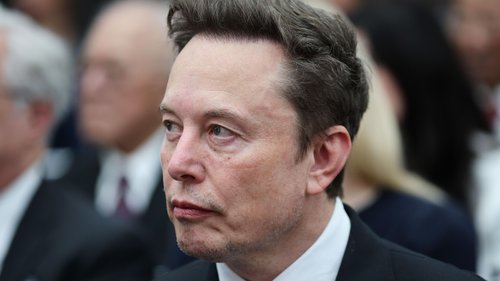
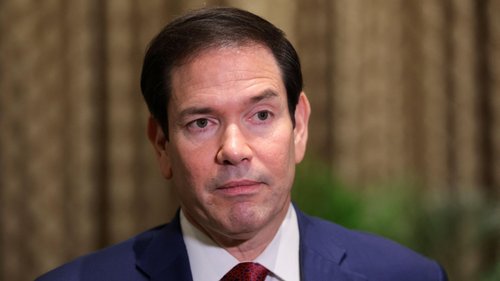
A fierce rivalry is unfolding between billionaire tech moguls Elon Musk and Mukesh Ambani as they vie for dominance in India's burgeoning satellite broadband sector, poised to expand significantly amidst regulatory changes.
The race for satellite internet supremacy escalates as Elon Musk's Starlink and Mukesh Ambani's Reliance Jio prepare to clash in the Indian market, following an announcement by the Indian government that satellite spectrum would be allocated administratively rather than through an auction model. This decision has sparked debate, notably as Musk had previously criticized the auction approach favored by Ambani. Satellite broadband is increasingly recognized as a critical technology capable of providing internet access in remote and underserved areas where traditional services are impractical. India's telecom regulatory landscape remains uncertain, with spectrum pricing yet to be defined, but forecasts suggest that satellite internet subscribers in the country could reach two million by 2025.Musk's Starlink boasts an impressive fleet of 6,419 low-Earth orbit (LEO) satellites and has attracted four million subscribers worldwide. Despite aiming for an Indian entry since 2021, regulatory hurdles have delayed Musk's ambitions. Should Starlink successfully launch operations in India, analysts suggest it could reinforce Prime Minister Narendra Modi's pro-foreign investment image.In contrast, Mukesh Ambani's Reliance Jio has consolidated its position within India's telecom sector, bolstered by significant investments in airwave auctions and a partnership with Luxembourg's SES Astra, which operates medium-Earth orbit (MEO) satellites—a cost-efficient alternative to Starlink’s infrastructure. Ambani's strategy includes advocating for an auction system that might better align with fair competitive practices in the telecom landscape.The controversy over administrative versus auction-based spectrum allocation raises questions about equitable access for all players. Reliance claims that auctions are necessary to ensure a level playing field, especially given advancements in satellite technology that have blurred lines between satellite and traditional networks. Musk's assertions about the classification of spectrum under global regulations further complicate the discussion.Industry experts observe that Ambani’s resistance may stem from a desire to maintain his advantageous standing in the market while potentially skewing the competitive landscape against newcomers like Musk's Starlink. The growing momentum in satellite technology presents a threat to traditional telecom operators, as the market opportunity in India is enormous, with a significant percentage of the population still lacking internet access.With India's internet penetration significantly lagging behind global averages, the implementation of affordable satellite broadband could potentially transform connectivity for rural populations. However, pricing remains a significant hurdle, as Starlink's service costs could be substantially higher than those of existing Indian providers.Despite potential challenges, Musk's deep financial resources could allow him to offer attractive pricing strategies to capture market share rapidly, similar to his tactics in other regions. However, experts suggest that, in the long term, terrestrial networks will likely remain the more economical option unless no alternatives exist.As both billionaires strategize their next moves in this evolving landscape, the battle for India's satellite broadband market promises to reshape the country's internet connectivity for years to come.