In brief
In light of a devastating earthquake that struck Myanmar on Friday, the situation surrounding the international aid response is fraught with complications arising from the nation's prolonged isolation and internal discord. The country, which is reeling from both seismic chaos and decades of political strife, has seen a rare appeal for assistance from its military-led government amid an escalating humanitarian crisis.
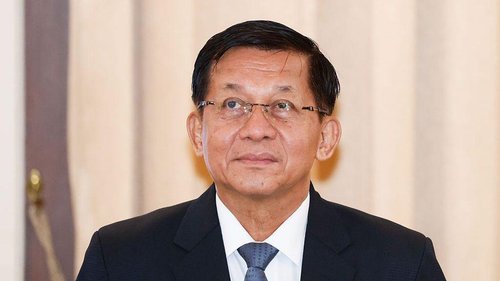
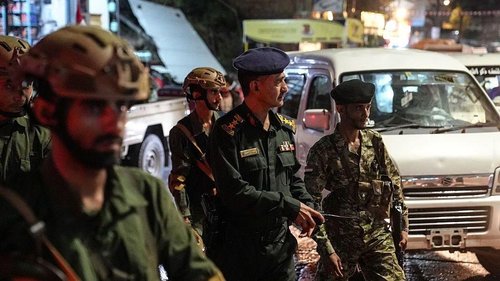
Military spokesman Gen. Zaw Min Tun expressed the government's desire for help, stating, “We need and want the international community to provide humanitarian aid,” while assuring cooperation for victim support efforts. However, the military regime’s contentious history—including sanctions imposed by the United States and other Western nations following a 2021 coup—casts a shadow over the aid process.Despite the United Nations mobilizing resources for relief efforts, significant logistical challenges remain. As highlighted by Michael Martin, a nonresident fellow at the Center for Strategic and International Studies, the safety of aid workers is a primary concern, potentially impeding access to areas where the need is most urgent. Moreover, the threat of the military manipulating aid delivery—by restricting access to rebel-held regions or by controlling how assistance is presented—remains a significant risk.This call for aid comes in the midst of a country already devastated by civil conflict and suffering from various sanctions designed to address historical grievances, particularly regarding violence against the Rohingya minority. With the necessary infrastructure for effective relief efforts already strained, the multiple hurdles in delivering help could leave many people vulnerable as Myanmar works to recover from this latest disaster.