In brief
Recent research highlights the ecological upheaval in the Panama Canal’s waterways, where an influx of marine fish from the Atlantic and Pacific has nearly displaced native freshwater species, raising concerns about invasive species like lionfish that could threaten local biodiversity.
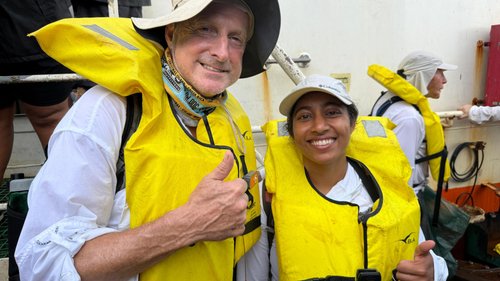
The Panama Canal has always been a critical link for global trade, but its recent expansion to accommodate larger vessels has also inadvertently facilitated a significant ecological transformation. Scientists from the Smithsonian Tropical Research Institute have documented alarming changes in the aquatic ecosystem of Lake Gatún in Panama, where fish from both the Atlantic and Pacific Oceans have begun to dominate, displacing the native freshwater fish that once thrived there.As night fell, scientists set out on a boat to study these newly arrived fish species, which have proliferated since the canal's widening in 2016. This once-quiet freshwater habitat is now witnessing its profound transformation, as species like snooks, jacks, and snappers invade areas previously occupied by peacock bass and tilapia. Fishermen dependent on the latter species are lamenting dwindling catches, highlighting an economic impact alongside the environmental upheaval.The implications of these changes extend beyond immediate fishing concerns. There is growing anxiety among researchers regarding the potential for even more invasive species, particularly the venomous lionfish, to traverse the now more accessible canal system. Known for devastating local fish populations in other regions, the establishment of lionfish in eastern Pacific waters could annihilate vulnerable native species and disrupt the delicate balance of marine ecosystems.With the Atlantic and Pacific Oceans historically separated for three million years, the Panama Canal represents a new frontier of ecological exchange, one that warrants increased scientific scrutiny and conservation efforts. The challenge now lies in observing these developments and mitigating the consequences of this unprecedented aquatic mingling.