In brief
Five tourists have died in Laos due to suspected methanol poisoning, highlighting a serious and largely underreported issue in Southeast Asia. Despite warnings from foreign governments, awareness about the dangers of consuming bootleg alcohol remains low among backpackers. With limited regulation and law enforcement, methanol-laced drinks continue to pose a significant threat, necessitating urgent educational campaigns for travelers.
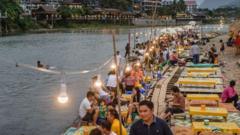
Recent tragedies involving tourists in Laos have brought to light a concerning trend of methanol poisoning that has plagued Southeast Asia. In a prominent backpacking hub, Vang Vieng, five tourists—comprising citizens from the UK, Australia, the US, and Denmark—have died after allegedly consuming tainted alcoholic beverages. An additional Australian national remains in critical condition, prompting an ongoing police investigation into the series of poisonings.This deadly situation stems from methanol's presence in poorly regulated, bootlegged alcohol, a widespread issue in several impoverished countries along the Mekong River. Despite the recognition of methanol poisoning as a public health problem, the backpacker community appears largely unaware of the associated risks. Methanol, a clear and odorless liquid often used in industrial products, can be fatal even in small quantities. Victims typically do not experience symptoms until 24 hours post-ingestion, complicating timely diagnosis and treatment.According to organizations like Médecins Sans Frontières (MSF), Asia has the highest rates of methanol poisoning globally, with Indonesia particularly hard hit due to its rampant illicit liquor trade. While Vang Vieng benefits economically from tourism, it lacks sufficient law enforcement or regulations ensuring the safety of food and alcohol. Local informants state that home-brewed and counterfeit drinks are commonly supplemented with methanol to boost potency or cut costs, leading to serious health risks.Experts caution that better education about the dangers of bootleg alcohol is needed for tourists, as many may not recognize the risks involved. The diplomat highlighted that recent incidents, while tragic, could serve as a catalyst for heightened awareness among travelers. Various Western governments have updated travel advisories regarding alcohol consumption in the region, and campaigns like “Don’t Drink Spirits in Bali” aim to educate the public on this pressing issue.Despite these efforts, protecting oneself from methanol poisoning remains challenging, as it's unrealistic for travelers to trace the source of every drink consumed. A comprehensive approach to regulation, education, and community responsiveness is required to effectively combat this perilous problem, safeguarding tourists while fostering a safer environment in the region.