In brief
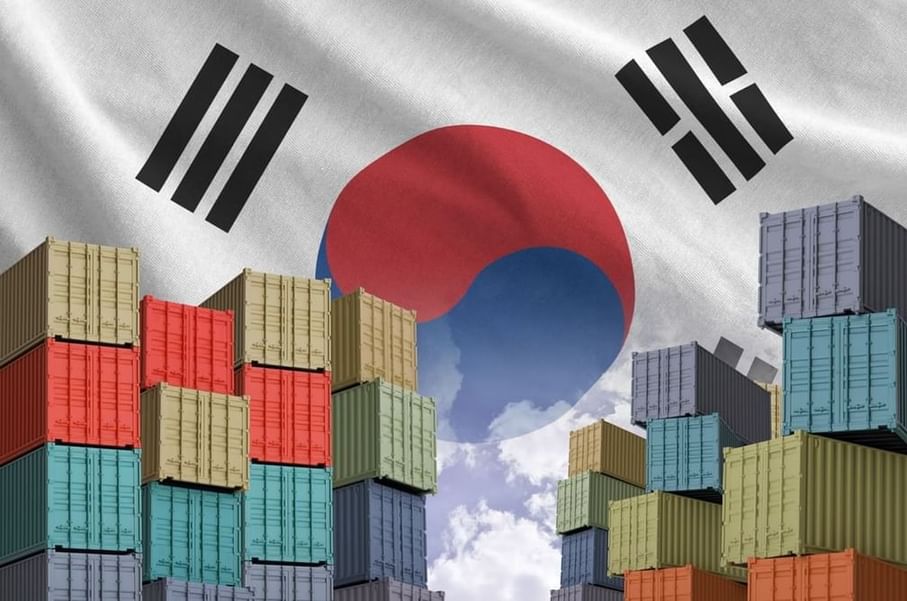
Donald Trump's recent threat of imposing 100% tariffs on BRICS nations highlights escalating tensions around the US dollar's status in global trade, sparking debates about international monetary policies.
President-elect Donald Trump has issued a stark warning to the BRICS nations—Brazil, Russia, India, China, South Africa, Iran, Egypt, Ethiopia, and the United Arab Emirates—regarding plans to create an alternative currency. In a recent social media post, Trump stated that any attempt by these countries to undermine the US dollar would result in significant tariffs: "The idea that the BRICS Countries are trying to move away from the Dollar while we stand by and watch is OVER." The move underscores the economic stakes involved as major powers consider alternatives to the dominant US currency.China and Russia's involvement in discussions around a BRICS currency has fueled concerns in the US. While some leaders have expressed interest in establishing a new monetary unit to challenge the dollar's supremacy, internal divisions within the bloc have hindered tangible progress. Trump's declaration reflects a strong commitment to maintaining the dollar's status, as he warned that without a solid agreement from these countries not to pursue their ambitions, they could face "100% tariffs" on goods sold to the US.This is not the first time Trump has threatened tariffs as part of his trade strategy. During his election campaign, he pushed for widespread trade measures, promising protection for American industries and job creation. His recent threats are seen as negotiation tactics by some of his allies, signifying a hard stance rather than definitive policy moves. Republican Senator Ted Cruz emphasized the "importance of leverage" in trade negotiations, suggesting that such threats often yield actionable responses from other nations.Toronto's visit by Canadian Prime Minister Justin Trudeau to Trump's estate is indicative of ongoing negotiations aiming to avert tariffs on US-bound goods. Trump's Treasury Secretary nominee, Scott Bessent, echoed this sentiment, framing the tariff threats as part of a broader negotiating strategy, saying, “It's escalate to de-escalate.”Tariffs impose a tax on imports, ultimately affecting the cost borne by domestic businesses rather than foreign exporters. This structure has implications for the US economy, with past studies indicating consumers may shoulder the financial burden for such measures. Despite his claims that tariffs don’t affect American consumers, economists largely consider this viewpoint misleading, noting that the fiscal impact typically falls on US companies importing goods.As Trump prepares to take office on January 20, the prospect of US trade policies shifting dramatically could have significant ramifications for global commerce and the ongoing stability of the US dollar as the world's leading currency.