In brief
Governor Gavin Newsom signed a groundbreaking bill that bans law enforcement, including federal agents, from concealing their faces while performing their duties. This legislation follows a series of immigration raids in Los Angeles where masked federal agents were involved, leading to public protests and calls for transparency. While the law intends to rebuild trust in law enforcement, it faces challenges regarding its enforcement against federal agencies. The move aligns with California's progressive stance against federal immigration policies.
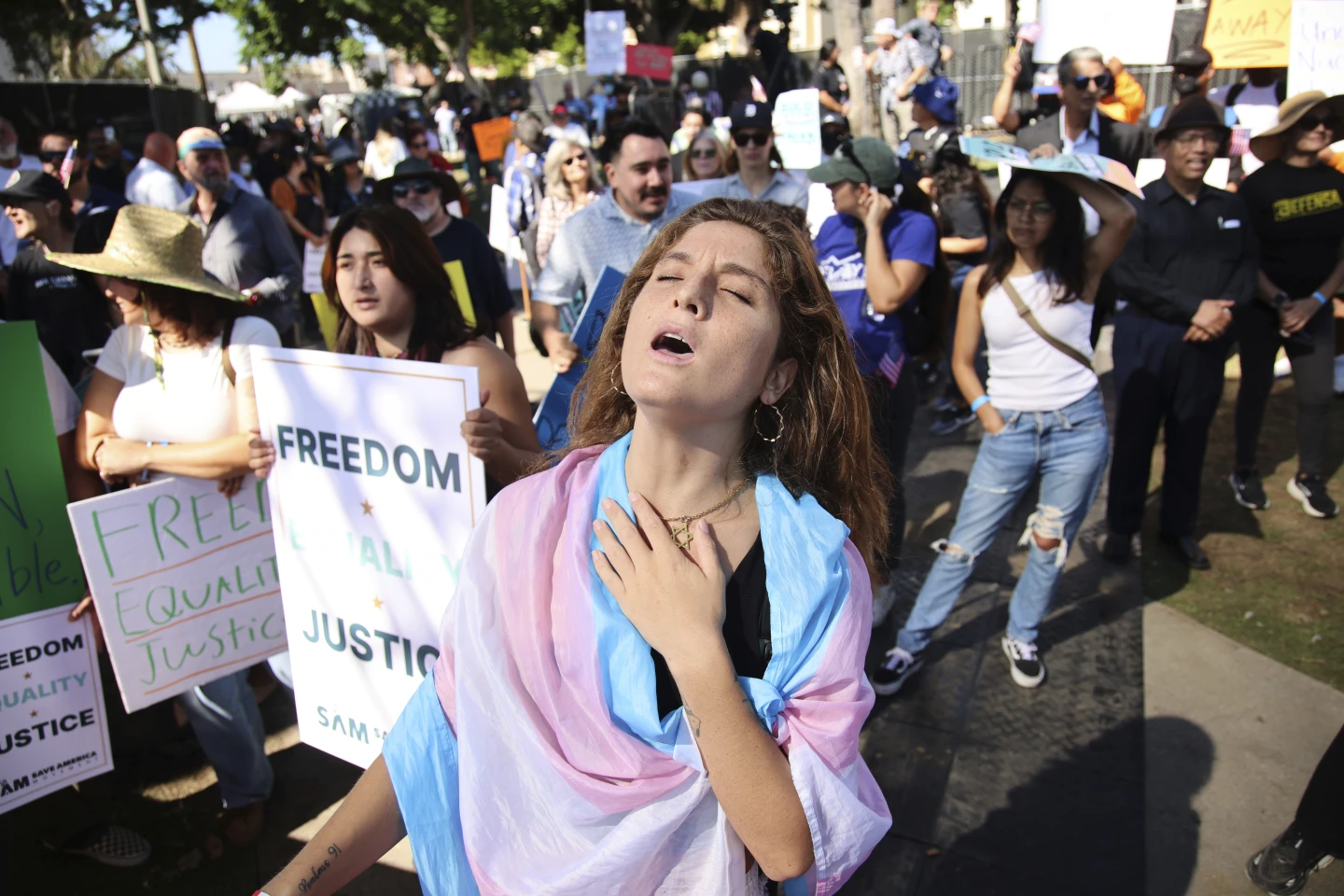
Governor Gavin Newsom has signed a bill that positions California as the first state to prohibit law enforcement, including federal immigration agents, from wearing masks while conducting official business. The legislation comes as a response to recent immigration raids in Los Angeles, where federal agents' use of masks sparked public outcry and protests.
The ban, which includes neck gaiters and ski masks, aims to enhance transparency and trust between law enforcement and the communities they serve. However, it includes exceptions for undercover operations and necessary medical masks. Law officials, including the Department of Homeland Security, have criticized the bill, arguing it may compromise safety during operations and questioning how enforceable it will be against federal agents.
Supporters of the new law argue that it is crucial in a climate where the visibility of identity for law enforcement can reduce impersonation crimes and lower community tensions. The law reflects a broader trend among Democratic-led states to push back against federal immigration enforcement tactics perceived as aggressive or opaque.
In addition to the mask ban, Newsom signed further legislation aimed at limiting immigration enforcement in sensitive locations such as schools and healthcare facilities, adding to California's defensive stance concerning federal immigration policies that aim for broad deportations.
Experts believe this law, while contentious, is important for restoring public confidence in law enforcement and combating the impersonation of officers, a tactic that has led to offenses in the past. As legal and political debates continue, the implications of the mask ban may become significant in the ongoing discourse surrounding immigration and law enforcement practices in the United States.