In brief
As South America endures its second consecutive year of unprecedented drought, the implications stretch far beyond mere climate statistics, unveiling a cascade of environmental and societal crises.
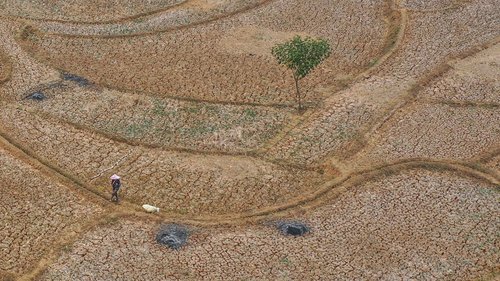
The Amazon River, which supports approximately 30 million residents in eight nations, is experiencing a drastic reduction in water flow, exposing the region to historical drought conditions. The Colombia disaster risk agency has reported that the river's flow has plummeted by as much as 90% amid an ongoing lack of rainfall. This alarming scenario stemmed from a prolonged drought intensifying across the continent.In Brazil, wildfires driven by extreme heat have devastated vast areas of forest, wetlands, and pasturelands. The smoke from these fires has blanketed 80% of the country, disrupting daily life to such an extent that classes have been canceled and hospitals filled with those affected by the fallout. The consequences are visible even within people’s homes, where black dust settles on surfaces.Meanwhile, to the south in Paraguay, the Paraguay River has also reached alarming low levels, stranding vessels and leaving fishermen struggling to find their prized surubí catfish. This depletion is forcing many residents to seek alternative work to sustain their families.Compounding these crises is the heavy reliance on hydropower across the region. Countries like Ecuador are bearing the brunt of energy shortages, with government-imposed electricity cuts lasting up to 14 hours a day. This prolonged loss of power is disrupting both daily life and the economic pulse of the nation, highlighting the urgent need for resilient solutions in the face of climate change.The dry spell and its consequences offer a poignant insight into a possible future marked by increasingly severe weather patterns, emphasizing the urgent need for action to mitigate climate change and adapt to its impacts. The call for change is louder than ever, urging communities, governments, and organizations to prioritize sustainable practices, protect vital ecosystems, and fortify infrastructures against a warming world.