In brief
Nepal is witnessing unprecedented anti-corruption protests, resulting in the resignation of Prime Minister KP Sharma Oli. The demonstrations, predominately led by young people, were ignited by government allegations of widespread corruption and a recent social media ban, which has now been lifted. As protests escalate with increasing violence, the demand for government reform and accountability grows louder among the youth and civil society.
Nepal's Prime Minister KP Sharma Oli has resigned in the wake of public outrage over the killing of 21 people in police clashes with anti-corruption protesters.
His office stated he had stepped down to pave the way for a constitutional solution to the massive youth-led protests over widespread allegations of corruption, ignited by a social media ban, which has since been withdrawn.
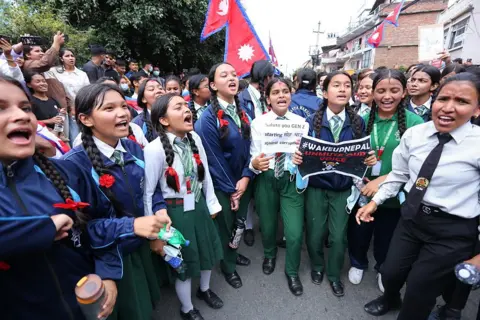
The protests became increasingly violent as thousands - many identifying themselves as Gen Z - took to the streets of Kathmandu. Almost 200 people are believed to have been injured in confrontations with police, who employed tear gas, water cannons, and live ammunition.
The protests have continued, with demonstrators setting fire to political party headquarters and vandalizing the homes of various politicians. The protests are a response not only to the social media ban but reflect a deeper dissatisfaction with governmental corruption.
Social media has been vital in mobilizing the protests, particularly among the youth demographics, who are demanding an end to corrupt practices and greater accountability. The movement has coalesced around clear goals: lifting the social media ban and addressing corruption.
As the unrest evolves, indications suggest that if the government fails to engage with the protesting youth meaningfully, the situation could escalate further, with protests spreading across different segments of civil society.