In brief
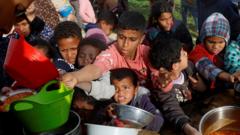
The UN has reported critical shortages of food aid in Gaza after Israel's recent blockade, with prices for basic goods soaring. Community kitchens face imminent closure, leading to fears of starvation among residents. International officials have condemned the blockade, advocating for the unconditioned flow of humanitarian supplies amid ongoing hostilities.
As the humanitarian crisis in Gaza intensifies, the United Nations has issued grave warnings following Israel's suspension of aid deliveries. According to the UN's Office for the Coordination of Humanitarian Affairs (OCHA), the daring move has caused essential food prices to skyrocket, jeopardizing nutrition for hundreds of thousands. Flour and vegetable costs have reportedly exploded, with some items doubling in price, leaving local residents scrambling to make ends meet. During the recent suspension of aid, Prime Minister Benjamin Netanyahu accused the militant group Hamas of pilfering humanitarian supplies and refused to accept a US-backed extension of the Gaza ceasefire. Responses from Hamas characterized the blockade as "cheap blackmail," escalating tensions in the region. Concurrently, foreign ministers from France, Germany, and the UK released a statement denouncing the situation as "catastrophic" and stressed that humanitarian aid must not be used as a political tool but should continue unconditionally.Before the suspension, the ceasefire that commenced on January 19 allowed for a significant influx of aid, with thousands of trucks delivering much-needed supplies to Gaza every week. However, Israeli officials now allege that Hamas is diverting aid to support its militant activities, claiming that the organization had "hoarded food supplies for months." As prices continue to rise, Gaza residents are expressing their desperation over unaffordable essentials. Reports from locals reveal that they have seen prices for tomatoes and cucumbers double or even triple in the past few weeks. With cash liquidity scarce, many families are unable to purchase necessary food items, leading area residents to accuse merchants of unjust price hikes. Medical organizations, including Doctors Without Borders (MSF), have condemned the Israeli government's actions as inhumane, warning that the blockade could exacerbate the ongoing humanitarian crisis. Nearby nations, including Qatar and Egypt, have also voiced their condemnation, describing the blockade as a clear violation of humanitarian law. The impact of the blockade extends beyond food; the availability of medical supplies is critically low as well. Medical Aid for Palestinians (MAP) indicated that their limited reserves could soon run out without fresh deliveries. As the conflict continues, the plight of Gazans remains dire, with over half the population reliant on food aid before the suspension.As international reactions grow, the concern surrounding the humanitarian ramifications of the blockade highlights a critical moment in the ongoing Israeli-Palestinian conflict, with calls for unimpeded access to essential supplies echoing across global forums.