In brief
The UK government has confirmed no apology will be issued regarding Britain's involvement in the transatlantic slave trade during the upcoming Commonwealth summit in Samoa, despite ongoing public discourse on reparations.
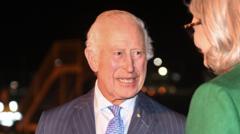
The UK government has announced that there will be no formal apology for Britain's historical role in the transatlantic slave trade when King Charles and Labour leader Sir Keir Starmer attend the Commonwealth summit in Samoa next week. A spokesperson from Downing Street has clarified that not only will there be no apology, but also previously discussed reparations have been ruled out. This announcement comes despite King Charles having expressed "sorrow and regret" for the colonial era's wrongdoings during a visit to Kenya last year. The Commonwealth Heads of Government Meeting is set to take place on October 25 and 26, gathering leaders from 56 nations. Even though historic slavery ties might be brought up during discussions, the UK government maintains its stance against a symbolic apology, emphasizing that the focus will remain on contemporary issues such as economic growth and shared challenges within the Commonwealth. The King's speeches are typically crafted with guidance from government ministers, meaning any potential apology would necessitate official approval, complicating the possibility of addressing such a sensitive issue. Labour MPs, including Bell Ribeiro-Addy, have previously advocated for an official acknowledgment from the UK government regarding its transgressions in the slave trade. While criticisms about the lack of formal reparations persist, some voices in the public sphere argue against feeling collective guilt for historical events. Ruth from the UK expressed skepticism about the relevance of modern apologies for past actions, while others, including citizens from Ghana, believe a royal apology could aid in healing historical wounds. The upcoming summit will also involve the voting for a new secretary-general, with candidates supporting reparations as a focal point in their platforms. As conversations about formal acknowledgments of past injustices continue, the UK's position remains unchanged, echoing the previous government's reluctance to engage with the colonial past comprehensively.