In brief
With President Bashar al-Assad ousted, displaced Syrians yearn to return home, confronting the remains of a landscape ravaged by years of conflict.
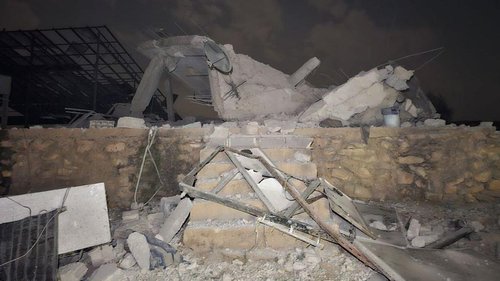
Lubna Labaad stands among the shadows of what was once a vibrant neighborhood in Damascus, showcasing the harsh aftermath of Syria's enduring civil war. Remarkably, a single mosque remains upright, a stark contrast to the destruction that enveloped nearby homes, reflecting scars of a turbulent past. "Forgive us, oh martyrs," reads the message on the mosque's wall, a lingering echo of lost lives and lost hopes.Like many inhabitants of the Qaboun neighborhood, Lubna, her husband Da’aas, and their young son are filled with mixed emotions as they return to their roots. Their home still exists but has suffered severe damage, stripped of crucial amenities by soldiers who occupied it for years. "We were waiting for that very moment to return," reflects Lubna, embodying the collective anticipation of countless families. The civil war displaced over 13 million Syrians, leading to what the United Nations has deemed one of the largest humanitarian crises of modern times. About six million fled the borders while another seven million found themselves displaced within the country, creating ongoing challenges for recovery. As people like the Labaads navigate the return, they confront a grim new reality dominated by the rubble of long-gone communities. The once vibrant tapestry of Syrian life now lies torn, yet hope flickers in the hearts of those determined to rebuild.