
In brief
Delhi's air quality has sharply deteriorated, reaching an AQI of 1,500, marking an acute health crisis with severe restrictions imposed by authorities. Residents report distress, while political blame games complicate the response to persistent pollution challenges.
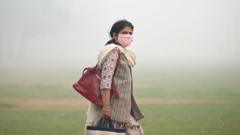
In a shocking turn of events, Delhi's air pollution has surged to unprecedented levels, registering an alarming Air Quality Index (AQI) of 1,500, which reflects conditions labeled as "severe plus." Reports from IQAir, a tech organization monitoring air quality, confirmed that pollution levels soared at 15:00 IST (09:30 BST), reaching levels 15 times higher than what the World Health Organization (WHO) deems acceptable for health.The toxic haze blanketing the city has led to numerous challenges, including the suspension of flight services, closure of schools, and a ban on construction activities. This grim situation arises just weeks after Lahore, Pakistan faced similar concerns with pollution levels above 1,000. Alarmingly, experts predict that the pollution crisis could escalate, leading to the implementation of even stricter measures to manage air quality in Delhi.The WHO categorizes air with an AQI above 300 as hazardous, and based on local authorities' standards, Delhi recorded values surpassing 450 Monday morning. As a result, the Government has imposed several emergency measures, including the prohibition of non-essential trucks from entering the city and instructing businesses to allow 50% of their workforce to work from home. Additionally, activities involving coal and firewood, as well as the use of diesel generators for non-emergency services, have been banned.Every winter from October to January, Delhi and its neighboring states, along with parts of Pakistan, face an annual battle against poor air quality due to dropping temperatures, vehicular emissions, agricultural burn-offs, and insufficient wind. Over the years, despite seasonal pollution control initiatives, Delhi continues to struggle with deteriorating air conditions.On Monday, Delhi's Chief Minister, Atishi, declared a "medical emergency" for northern India due to unchecked stubble burning in regions like Haryana, Uttar Pradesh, and Bihar. Atishi placed blame on the ruling Bharatiya Janata Party (BJP) for failing to curb stubble burning, while the BJP retaliated with accusations against the Aam Aadmi Party (AAP) for its inability to manage the city’s pollution effectively.Amid the government's efforts and political tensions, residents are expressing their frustrations over the deteriorating air quality. Many shared testimonials on social media, highlighting experiences such as painful throats and ineffective air purifiers. Calls for public demonstrations have emerged, with citizens urging collective action against the toxic air enveloping their city.As the hazardous conditions continue, it remains to be seen how authorities can address the complex web of pollution contributors while balancing political responsibilities and public health concerns.


