In brief
Dr. Mark Perlmutter, a US surgeon recently returned from Gaza, reveals the tragic stories of the wounded Palestinians suffering due to a lack of essential medical supplies in hospitals. As Israel's military actions intensify, medical staff struggle to operate under dire conditions.
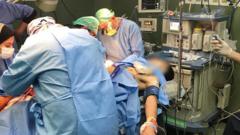
Dr. Mark Perlmutter, an American surgeon who has been working in two hospitals in Gaza over the past three weeks, has raised alarms over the mounting death toll among wounded Palestinians due to a severe lack of medical supplies and equipment. The surgeon claims that essential items such as soap, antibiotics, and x-ray facilities are unavailable in operating rooms, exacerbating the humanitarian crisis as Israel resumes its military offensive against Hamas.Dr. Perlmutter operated on a range of critically injured patients, including a 15-year-old girl shot by Israeli forces while cycling. He expressed his dismay at the conditions of the hospitals, having previously visited Gaza a year ago. The surgeon criticized Israel's actions, calling for an arms embargo while denouncing the attacks as genocidal, claims that the Israeli government firmly rejects.During his recent trip, Dr. Perlmutter provided care at Al-Aqsa Hospital in Deir al-Balah, then moved to Nasser Hospital, which was struck by an Israeli air strike targeting Hamas leader Ismail Barhoum. While the Israeli military asserts they do not target civilians, Dr. Perlmutter defended the Geneva Convention’s guidelines, insisting that all patients, including Barhoum, ought to be protected.The consequences of the airstrike on civilian life were evident for Dr. Perlmutter, who witnessed horrific injuries on children. He detailed traumatic experiences of two teenagers—one girl severely injured from a military helicopter attack while she was riding her bike, and a boy who suffered devastating injuries after an Apache gunship assault on the car he was in with his grandmother. Tragically, the grandmother perished at the scene.The Israeli Defense Forces (IDF) claim adherence to international law, asserting they target military objectives while minimizing civilian harm. However, Dr. Perlmutter countered this assertion by sharing the overwhelming number of casualties resulting from military actions, noting that many lives could have been saved if adequate medical resources were available.Adding to the dire medical conditions, Dr. Perlmutter emphasized the heroism of Palestinian medical staff, pointing out their resilience and dedication while they endure extreme stress, working without pay and amid dangerous conditions, often returning to overcrowded living situations after shifts.The UN's humanitarian chief recently condemned the total blockade of supplies into Gaza since early March, which has exacerbated the deteriorating health conditions in hospitals across the region. Dr. Perlmutter likened the limited medical facilities in Gaza to those in his home state of North Carolina, emphasizing the stark inadequacy in treating mass casualty events.As the situation continues to unfold with escalating hostilities, Dr. Perlmutter warned that without immediate action and humanitarian aid, more Palestinians would succumb to injuries that could have been treated adequately under better circumstances. International bodies are urged to intervene and enforce humanitarian laws before more lives are lost amidst the ongoing conflict.