In brief
Tom Fletcher's recent visit to el-Geneina underscores the urgent humanitarian crisis exacerbated by ongoing conflict in Darfur, where both ethnic violence and severe food shortages are reported. Survivors recount tales of horror and despair as international aid efforts struggle against political obstacles.
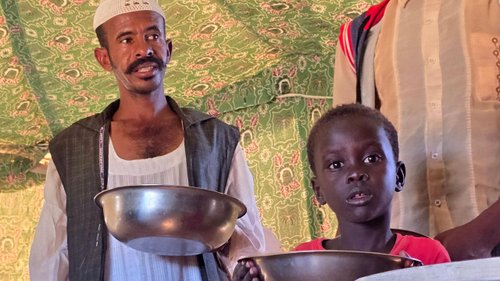
In a haunting journey through the deserted neighborhoods of el-Geneina, West Darfur, UN Relief Chief Tom Fletcher reported on the chilling aftermath of violence that has left the town in ruins. Buildings, once vibrant with life, are now mere husks, scarred by bullet holes and burnt remnants, silently narrating a tale of devastation that began when conflict erupted 19 months ago.Fletcher's visit, a rare opportunity for international journalists, came after protracted negotiations with Sudanese military factions. Darfur, historically plagued by brutal conflicts, is currently experiencing one of its most harrowing crises. According to Fletcher, "Darfur has seen the worst of the worst," describing the overwhelming wave of violence, rampant sexual abuse, and an impending famine that has plunged the region into despair.The town's population has dwindled, with many inhabitants fleeing across the border to Chad, escaping the ethnic cleansing carried out primarily by the paramilitary Rapid Support Forces (RSF) and allied militias. Reports indicate that these groups systematically targeted non-Arab communities, leading to extensive loss of life and displacement. Human Rights Watch has described the events as potential genocide, further highlighting the fragility of peace in the region.Fletcher met with numerous displaced individuals during his visit. Disturbing accounts emerged, reflecting the terror that forced families to make harrowing decisions in order to survive. One 14-year-old girl recounted the horrors witnessed, her family being separated amidst the violence. Recounting their escape, she explained, "We had to hide by day and resume our journey in the middle of the night." Such stories echoed the shared trauma experienced by many who sought refuge in makeshift camps.In the al-Riyadh displacement camp, Fletcher engaged with community leaders. An elder expressed the dire need for relief, stating, "We have suffered a lot.” They underscored the importance of aid, reflecting on the dual crises of warfare and famine that have rendered many without access to essential resources.Efforts to deliver humanitarian aid face significant challenges, with many organizations struggling to operate amidst ongoing violence and communications breakdown. Tariq Riebl from the Norwegian Refugee Council underscored the urgency, "This is one of the worst conflicts we've seen." Fletcher's visit served to draw attention to the pressing need for increased intervention, as the situation in Darfur worsens. His objectives include advocating for humanitarian access and addressing the alarming rates of hunger affecting the population. As Fletcher anticipates opening more aid flights to the region, both the international community and those on the ground are hopeful for a shift in the crisis's trajectory.The complexities of foreign involvement in the conflict add layers to the challenges faced, with regional powers backing various factions. The humanitarian crisis in Darfur, thus, remains an urgent call for international focus and intervention, driven by the possibility of renewed violence and devastating famine that looms over thousands of vulnerable lives.