In brief
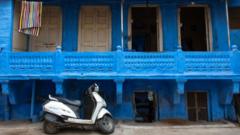
Jodhpur, known as the 'Blue City,' is experiencing a loss of its vibrant identity due to rising temperatures, urbanization, and the rising costs of traditional blue paint. The historic Brahmapuri neighborhood, characterized by its striking azure homes, was originally established as a colony for upper-caste families in the 17th century. These homes were painted blue, using natural indigo, to symbolize sociocultural piety and to keep the interiors cool. However, changing climatic conditions and modern building trends are leading many residents to abandon the blue hue in favor of more practical—yet less aesthetically cohesive—colors. Activists and local residents are fighting back, launching campaigns to restore the blue color of homes to preserve the city's uniqueness and charm.
Jodhpur, often synonymous with its beautiful blue structures, sits at the base of the historical Mehrangarh Fort. Brahmapuri, its heart, showcases homes built long ago, around the 17th century, when blue paint became emblematic of the area's identity. This distinctive tone was not merely for aesthetics; it served practical purposes, cooling homes in the sweltering desert climate while signifying cultural significance among Brahmins, the upper caste who initially occupied the area.As time passed, other factors began to impinge on this azure haven. The once-thriving indigo production of Bayana, found just a distance away, dwindled due to soil degradation caused by the crop. Rising temperatures further exacerbated the situation, leading locals to adopt modern air conditioning, signaling a shift away from the traditional blue homes. Studies indicate a concerning increase in Jodhpur's average temperature—from 37.5°C in the 1950s to 38.5°C in 2016—prompting a shift in coloring practices among residents.Interestingly, the blue paint originally helped repel pests due to its copper sulfate content. Yet, as urban areas expand, the abundance of new materials like concrete has further complicated the preservation efforts. The heat island effect described by experts signifies that with darker paints, areas will heat up significantly more than when blue painted homes were in place.Despite approximately half of the 33,000 homes in Brahmapuri still showcasing their traditional blue, many are changing colors due to financial constraints and maintenance issues like dirt accumulation from nearby open drains. The soaring cost of repainting—a steep rise from around 5,000 rupees to over 30,000 rupees—has discouraged many homeowners from preserving their houses' original beauty.Local activists like Deepak Soni have taken it upon themselves to reinvigorate community awareness around the blue heritage, rallying support to repaint the facades of homes. Since 2019, Soni has successfully persuaded around 3,000 homeowners to restore azure tones, promoting community pride and preserving the aesthetic that draws tourists. He envisions a future where the vibrancy of Brahmapuri can compete with places like Chefchaouen, Morocco—a city famed for its retained blue legacy.A local collaboration plan is underway between residents and officials, focused on applying lime plaster to further help retain and enhance the beloved blue color for future generations. “If we don’t strive to save our city’s heritage, how will others appreciate its uniqueness?” Soni passionately asserts as he actively pursues funding efforts for blue restoration.With these integral societal and environmental shifts, Jodhpur’s identity hangs in the balance, prompting urgent action to preserve what was once a sea of blue amidst a changing landscape.