In brief
In a devastating operation at a closed gold mine in Stilfontein, South Africa, authorities have recovered 51 dead bodies and rescued 106 miners, with fears that more may remain trapped underground. The blockade imposed to dismantle these illegal mining activities has sparked criticism from human rights organizations, countered by public support for police actions against the Zama Zamas.
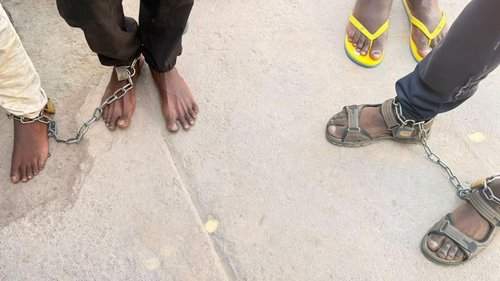
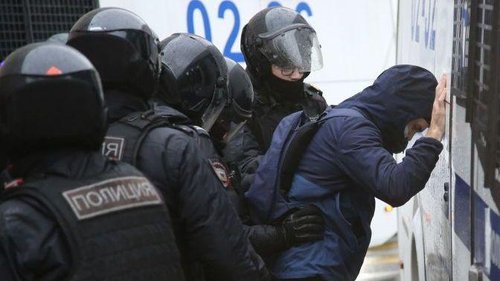
Authorities in South Africa are grappling with a significant tragedy in Stilfontein, where dozens of bodies have been recovered from an illegal gold mine. As of Tuesday evening, police confirmed that they had pulled 51 bodies from the mine and rescued 106 miners, sparking concerns that many more are still trapped beneath the surface. The ongoing operation began on Monday, and there is a growing anxiety over the potential rise in the death toll as rescue efforts continue.The grim situation arose after a prolonged standoff between law enforcement and illegal miners, known locally as Zama Zamas. Authorities made the controversial decision to limit access to the mine by cutting off supplies, including food and water, in an attempt to force the miners to surface. This blockade has drawn sharp criticism from human rights advocates, who argue that it exacerbated the danger for those trapped underground. Conversely, some South Africans have expressed approval of the police's tougher stance on illegal mining, viewing the miners as threats to community safety.Located approximately two hours south of Johannesburg, the Stilfontein mine has been a focal point for illegal mining operations for years. Authorities are now working meticulously to complete the rescue operation, which has raised concerns about the estimated number of miners still underground—some estimates suggest that there could be hundreds.Images shared by police indicate the extent of the blockade that had been in place over the last several months to curtail illegal mining activities, with officers closely monitoring all access points. The South African government faces a dual challenge: managing the humanitarian disaster that has unfolded and addressing the broader implications of illegal mining in the region. As the recovery effort continues, it serves as a grim reminder of the high stakes involved in these hazardous underground operations.