In brief
After winning the Caine Prize for African Writing, Zimbabwean author Simbarashe Kundizeza has publicly denied allegations that his short story was produced by artificial intelligence. The claim stemmed from a recent Atlantic article that used the Pangram detection tool to flag the story as fully AI‑generated. Kundizeza has launched a formal investigation with the prize board, sharing drafts and inspirations that ground the narrative in personal experience. The controversy highlights wider concerns about the reliability of AI detection software and potential bias against writers of colour.
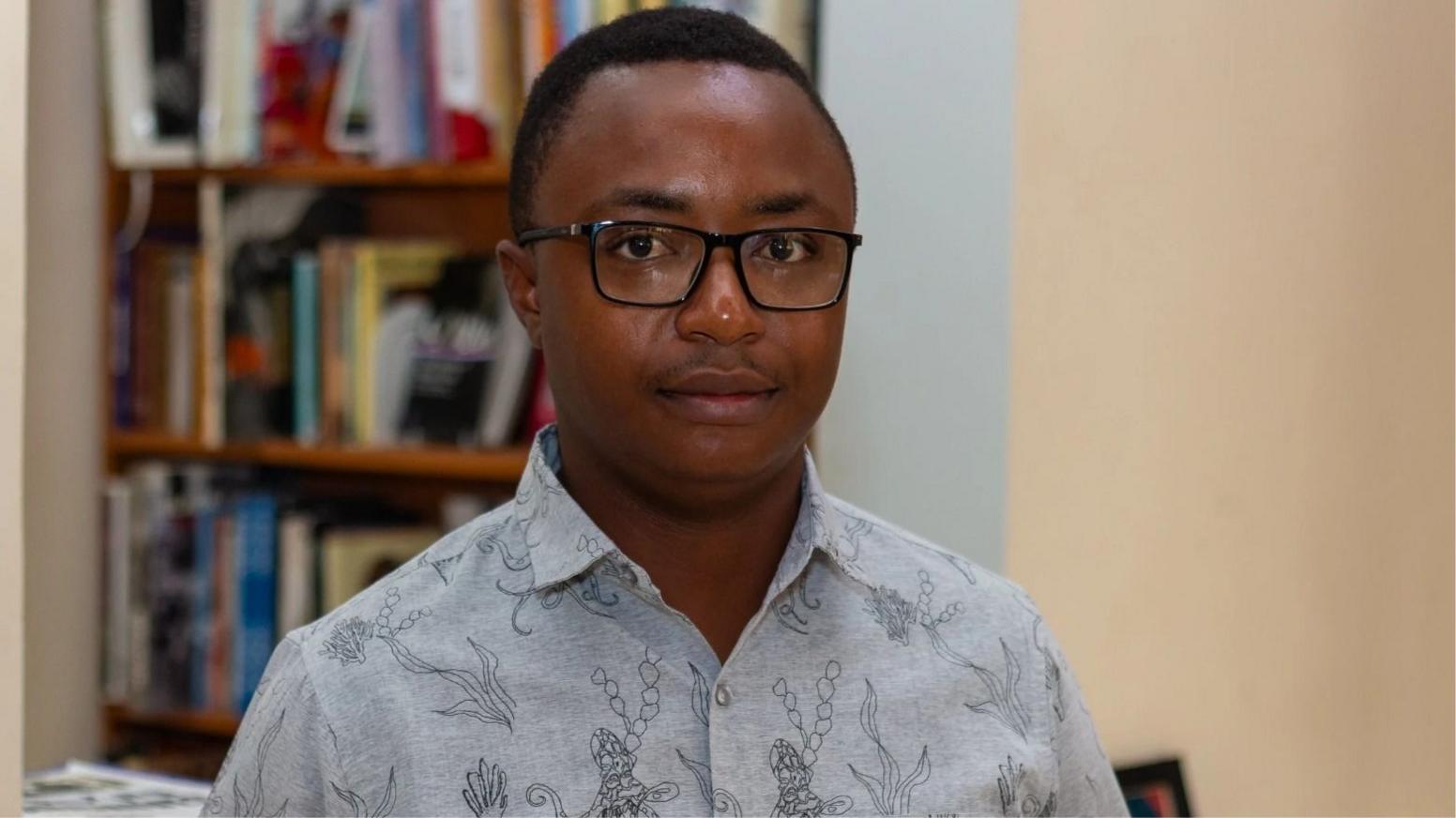
Zimbabwean writer Simbarashe Kundizeza has denied using artificial intelligence to craft the short story that earned him this year’s Caine Prize for African Writing.
The denial follows a week after the US magazine The Atlantic reported that AI‑detection software Pangram had flagged his work as entirely machine‑generated. Kundizeza posted on X, "For the avoidance of doubt, I wrote The Blue Fighter," and underscored that he had a documented history of developing the story.
Ellah Wakatama, chair of the Caine Prize’s board of trustees, expressed her shock that the Atlantic did not await a full investigation before publishing, stressing the need for careful scrutiny. She also highlighted that Pangram is not yet fully tested, warning that current AI detectors can misclassify human writing.
Other literary circles have faced similar accusations this year, including Trinidadian writer Jamir Nazir who also had AI involvement allegations, and Haitian‑Canadian author Thélyson Orélien over his debut novel. These cases raise questions about the readiness of AI tools to judge artistic originality.
In her commentary, Wakatama noted that while Pangram was a useful flagging system, it should not replace thorough human review. She added that earlier Caine prize stories she had run through the program all came out as 100% human.
The controversy has sparked an online debate about bias against writers of colour, with Nigerian founder Wale Lawal calling the allegations “crazy, racist and wildly unethical.” Fellow authors and publishers have joined the discussion, arguing that these accusations often target Black and African writers disproportionately.
Responding to the challenge, Kundizeza emphasized his creative process: he drew inspiration from a poem about fish tanks and his own family’s struggles during Zimbabwe’s early 2000s crisis. He stated that his father, “was an accountant, but he quit his job to grow tomatoes,” a detail mirrored in the story’s protagonist.
"I am not happy for the work of writers, and in this case especially black writers, to form the testing ground for something that is at best still rough and ready," Ellah Wakatama
In a final note, Kundizeza expressed gratitude for the solidarity he has received from fellow writers and readers, and reaffirmed his commitment to continuing to write, insisting that the allegations misunderstand the craft of literary creation.