Christmas markets are not just tradition across Europe, they are big businesses that give cities a huge economic boost every December. For Zagreb, the capital of Croatia, it is an effective way of attracting tourists outside of the country's main summer season.
The words tourism and Croatia are likely to conjure visions of sparkling Adriatic vistas during the hottest months of the year. Tourism accounts for more than a fifth of the economy of this Balkan country, and it is keen to encourage more visitors to arrive outside of the height of summer. Yuletide frolics are a key part of that strategy.
We're making a transformation, says Croatia's Tourism Minister, Tonci Glavina. We are developing as a year-round tourism destination – we are not a summer destination anymore. Croatia has really made significant development. At some point way back it was just sun and sea, but now Croatia offers many tourism products all across the country.
Zagreb Advent, as the capital's Christmas markets and events are collectively known, is the poster child for this approach, with billboards in neighbouring countries urging people to attend. In fact, this year the campaign has spread as far as London's tube stations and Milan's buses. There are even special trains to bring visitors from Slovenia and Hungary.
The entire city has become a festive ground for celebrating Christmas throughout December. Each market location has its own theme, differing in decoration and offerings, providing a unique experience for visitors strolling through Zagreb.
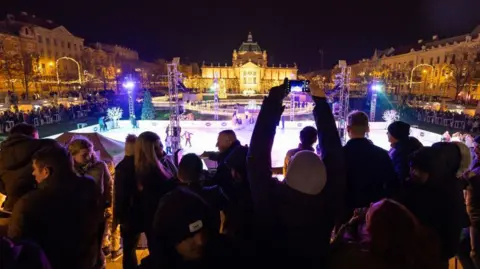
Zagreb Advent boasts seasonal staples, such as sausages and mulled wine, and features multiple music stages, craft stalls, traditional Croatian food, art installations, and an enormous ice rink.
It brings life to Zagreb, remarks Zrinka Farina, involved with market events at the historic Hotel Esplanade. Croatians are serious about making their Christmas market the best in Europe. The city has won best Christmas market in Europe for three consecutive years from 2015 to 2017.
Visitor numbers during December have surged since the market’s inception in 2014, more than doubling from approximately 100,000 to an estimated 245,000 by 2024, contributing significantly to the local economy.
Despite Zagreb's successes, it still lags behind European Christmas market giants like Cologne and Vienna. The competition has driven Zagreb to innovate and enhance its market offerings, striving to elevate its status on the continent.
Tourism officials aim to sustain growth and encourage off-peak tourism, while also emphasizing the rich offerings that Croatia has year-round, beyond just its famous summer allure.
Zagreb Advent demonstrates the city's potential to attract winter tourism while serving as a hub for cultural exchange and culinary experiences. The market's global recognition and diverse attractions are key steps towards solidifying Zagreb as a prominent destination in Europe.