In brief
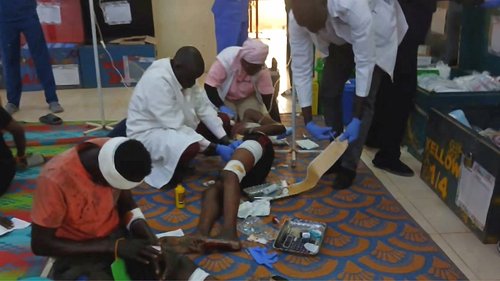
In a daring response to the ongoing civil unrest in Myanmar, anti-junta forces are striving to maintain education in rebel-controlled regions. As the conflict stretches into its fifth year following the military coup, the establishment of educational institutions like the Karenni Medical College symbolizes resilience and hope for future democratic governance. Students confront dangers daily, from military attacks to wildlife threats, yet remain ardent in their pursuit of education.
In the heart of jungle territories, dedicated students like Khuu Nay Reh Win, a 21-year-old medical student and former rebel medic, epitomize the struggle faced by many. While minding the risks posed by military airstrikes, he also confronted a venomous snake, a stark reminder of the challenges outside the classroom. He dreams of becoming a surgeon, motivated by the frontline experiences that highlight the urgent need for medical professionals in conflict zones.Established two years ago, Karenni Medical College is just one of 18 institutions created in regions held by anti-junta forces since the coup. These universities face numerous challenges, from a lack of funding to insufficient supplies. Nevertheless, officials remain hopeful that their efforts will lay the groundwork for a democratic society in Myanmar, refusing to allow youth to miss out on essential education opportunities.Dr. Myo Khant Ko Ko, founder of Karenni Medical College, passionately shared, "We opened without waiting for the revolution to end. We were concerned that if young people were cut off from education for too long... they might miss out on higher education opportunities." Amid ongoing military aggressions, Myanmar’s youth persist, driven by dreams of a brighter future and the resolve to reshape their society.