
In brief
Following the devastating Jeju Air crash, victims' families face an onslaught of hate speech and conspiracy theories, forcing them to confront a culture of online vitriol and financial resentment that exacerbates their grief.
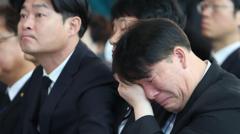
In December, tragedy struck South Korea when a Jeju Air flight from Bangkok crashed at Muan International Airport, resulting in the deaths of 179 out of 181 people on board. Among the bereaved is Park Guen-woo, a 22-year-old who lost both of his parents in the incident, and he soon found himself not only mourning their loss but also contending with a barrage of online hate, where he has been labeled a "fake bereaved family member." The crash, which occurred on December 29, instantly transformed the lives of the victims’ families into turmoil and grief. While Park was still coming to terms with his tragic loss, he encountered a flood of malicious comments across social media platforms, suggesting that families of the deceased were somehow experiencing financial windfalls due to government compensation. Authorities have since apprehended eight individuals connected to the online harassment, which included derogatory remarks claiming that the bereaved were “thrilled” with compensation payouts. Police have already removed more than 427 hateful posts directed at the victims' families, highlighting the severity of the online abuse.Experts in South Korea have discussed a deeply rooted culture of envy and competitiveness that exacerbates these situations, a phenomenon that has seen other bereaved families bear the brunt of similar online vitriol in past disasters. In recent years, bereaved families from previous tragedies, such as the 2022 Halloween crowd crush and the 2014 Sewol ferry disaster, have also faced heavy criticism and maligning comments regarding compensation.Sociology professor Koo Jeong-woo noted that economic pressures have led many to view their neighbors not as fellow citizens, but as rivals. This competitive mindset encourages a culture where tearing others down can lead to fleeting feelings of superiority. “There’s a tendency in Korea to engage in hate speech, aiming to diminish others to elevate oneself,” he explained.For victims' families like Mr. Park, this reaction is both baffling and devastating. "Even if compensation comes in, how could we possibly feel like recklessly spending it when it is the price of our loved ones' lives?" he reflected on the insensitivity of the comments made online. "Too many people, instead of being sensitive, build their entertainment on others' suffering."The situation has grown more complicated due to the political climate in South Korea, with some individuals placing unfounded blame for the crash on the opposition Democratic Party. This unfounded conspiracy further stains the grief of the victims' families as they seek to uncover the truth about their loved ones' deaths.Park Han-shin, who lost his brother in the crash, has encountered hurtful accusations painting him as a “scammer” rather than a grieving family member. His daughter recently took to social media to defend her father, expressing her distress over the unjust labeling that has accompanied their tragedy. “It pains me deeply to see my father, who lost his brother in such a tragedy, being labelled a ‘scammer’," she wrote.Experts argue for greater accountability of social media platforms, urging them to establish clearer guidelines for hate speech and implement stricter moderation practices. By enabling users to report harmful content more effectively and by taking legal action against perpetrators, it’s believed that a reduction in such abusive speech could be possible.Prof. Joshua Uyheng suggests a potential remedy lies in fostering a shared sense of community and empathy. Understanding that the pain of such tragedies is not limited to individual losses but is a collective human experience could help minimize antagonistic sentiments. “Victims deserve empathy and compassion, not vitriol and condemnation,” he said.This heartbreaking incident underscores the urgent need for societal change and a reevaluation of how online platforms manage content related to tragedy, grief, and human suffering.


