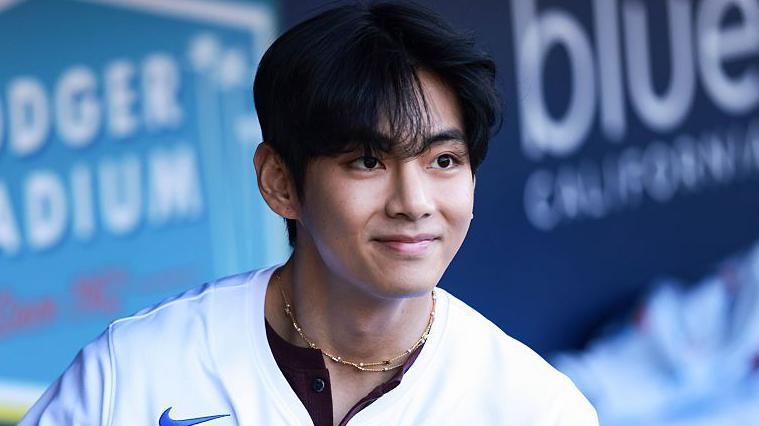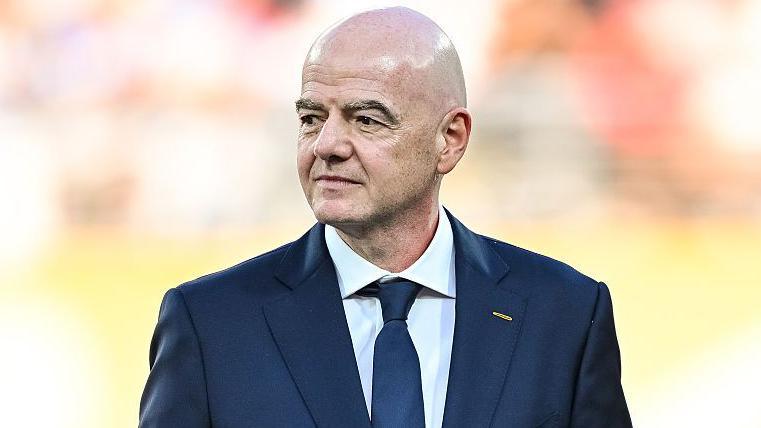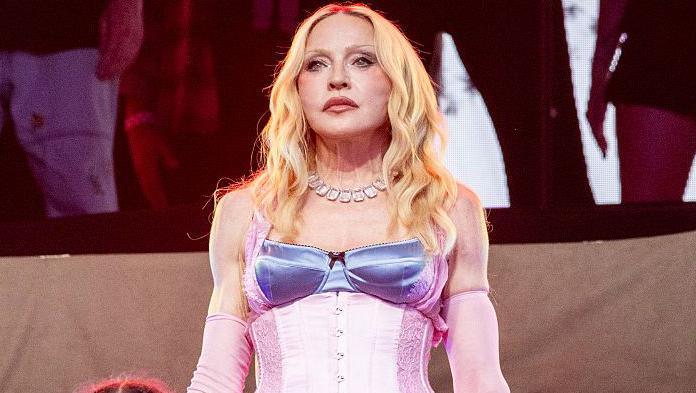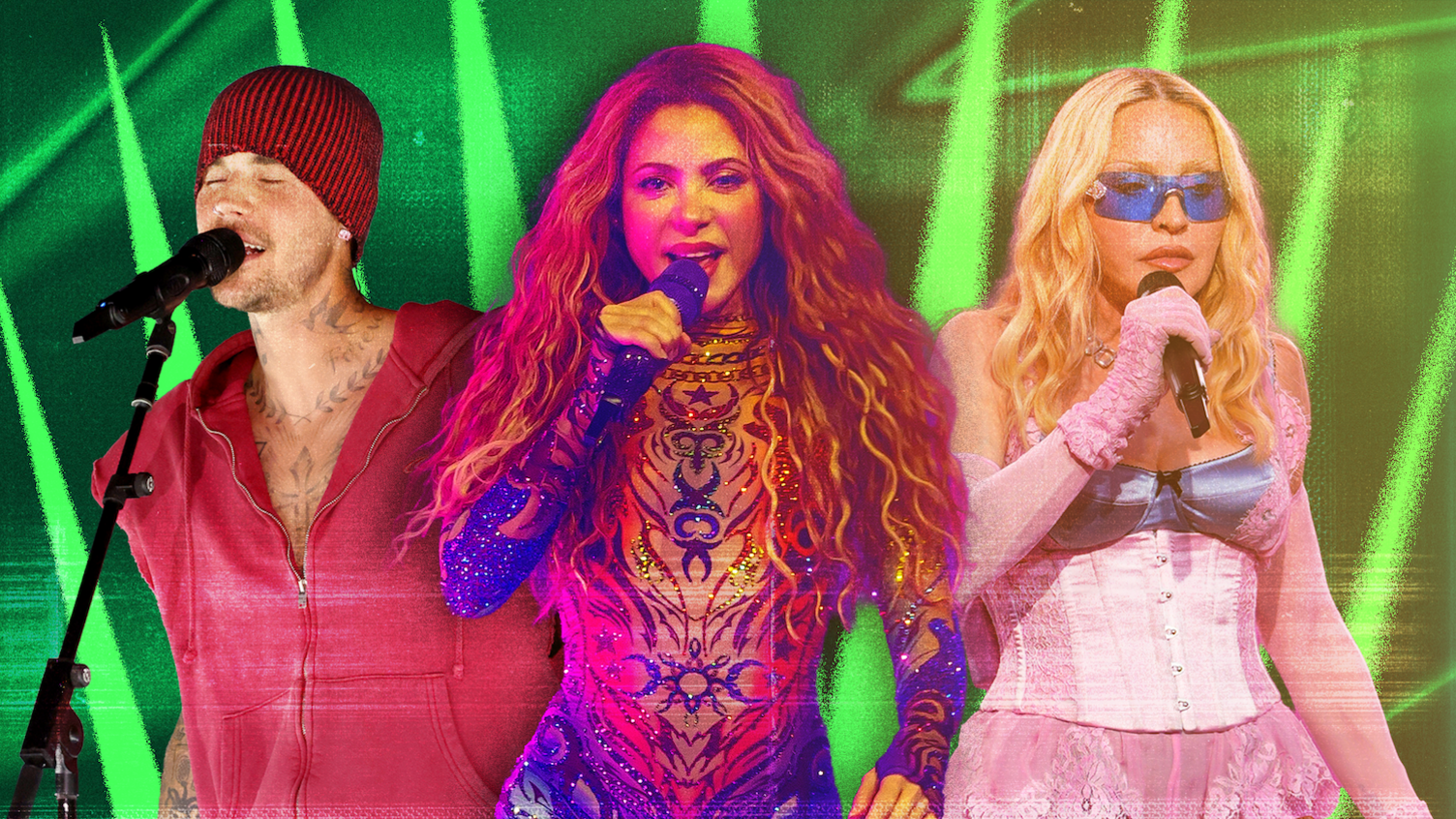
The 2026 World Cup final is poised to change football’s halftime tradition forever as it welcomes a 25‑minute music spectacle head‑lined by Madonna, Shakira, BTS and Justin Bieber, a first in tournament history.
FIFA’s announcement framed the event as a “landmark celebration” at the intersection of sport, music and global impact. The break will stretch beyond the IFAB’s usual 15‑minute limit, prompting heated discussion among players, clubs and governing bodies over player welfare and the potential for injury during an extended pause.
Live Nation president James Massing said the show underscores the need to innovate around the game, hinting at a trend that could extend beyond the World Cup to domestic leagues.
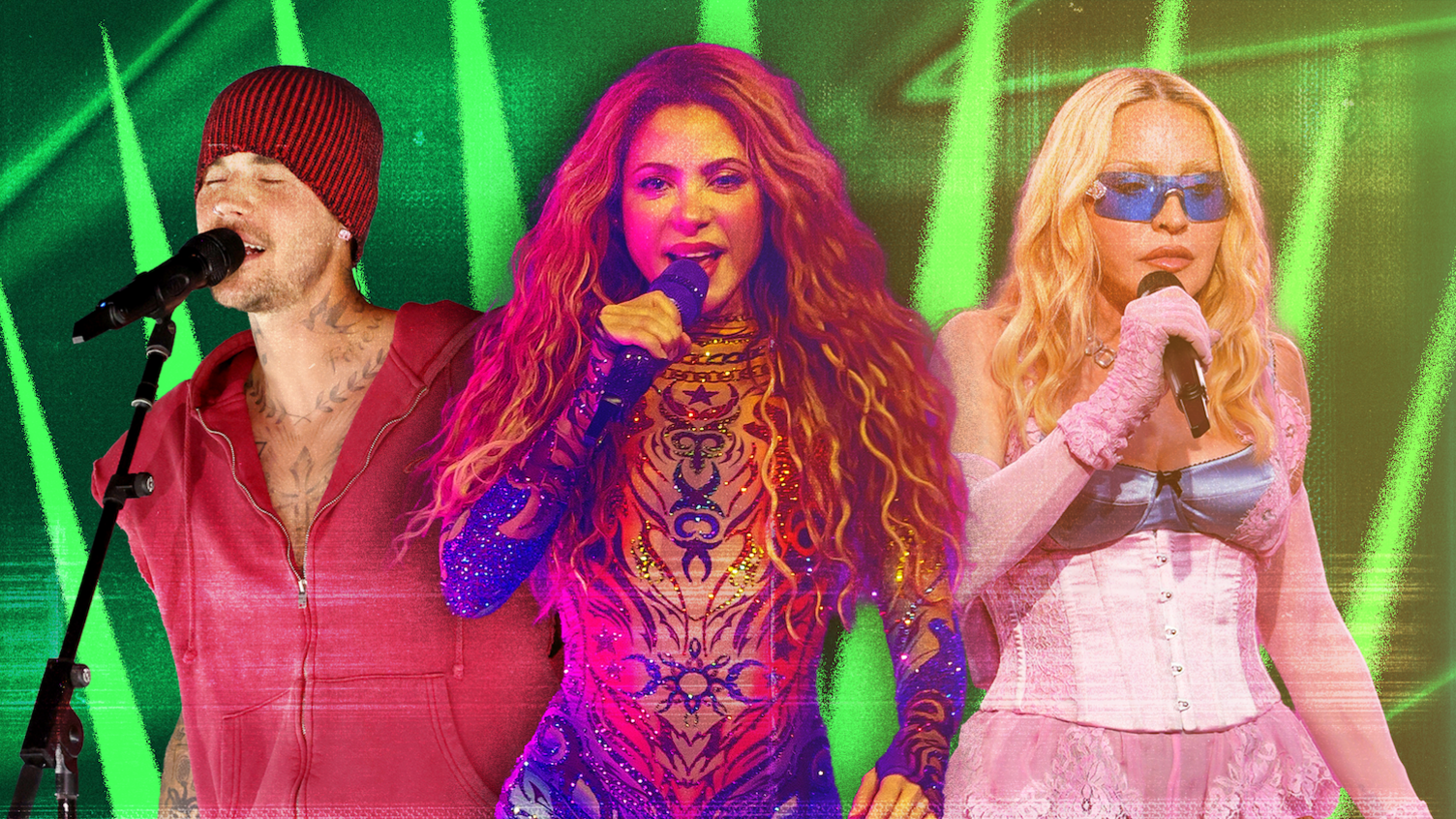
The spectacle mirrors earlier ventures such as the Super Bowl 2025 halftime shows that earned far‑reaching media attention, which some analysts say positions U.S. holiday sports as a benchmark for merging football with global entertainment experiences.
While the broadcast is expected to draw the world’s eye, critics raise concerns that the focus on celebrity performances could eclipse the sport itself. Some fans, like British content creator Ellis Platten, question the necessity of adding music and hydration breaks to the already crowded World Cup programme, arguing that it may interfere with match rhythm and viewer engagement.
FIFA insists the event will raise money for an education fund and that player welfare remains paramount, with a measured approach that includes medical staff monitoring during the extended break.
Whether this audacious step marks the start of a new era of sport‑entertainment hybridity or an isolated experiment remains to be seen, but the 2026 World Cup has already set a bold precedent that may influence future sporting events worldwide.