When a Classroom Became a Battlefield: The Minab School Strike Unfolds
The morning of 28 February 2026 turned from a normal school day into a tragedy when a missile struck Shajareh Tayyebeh Primary School in Minab, southern Iran. The impact left 120 children and 36 adults dead, including a pregnant woman and her unborn child, and became the deadliest single incident for civilians in the ongoing Iran‑U.S. war.
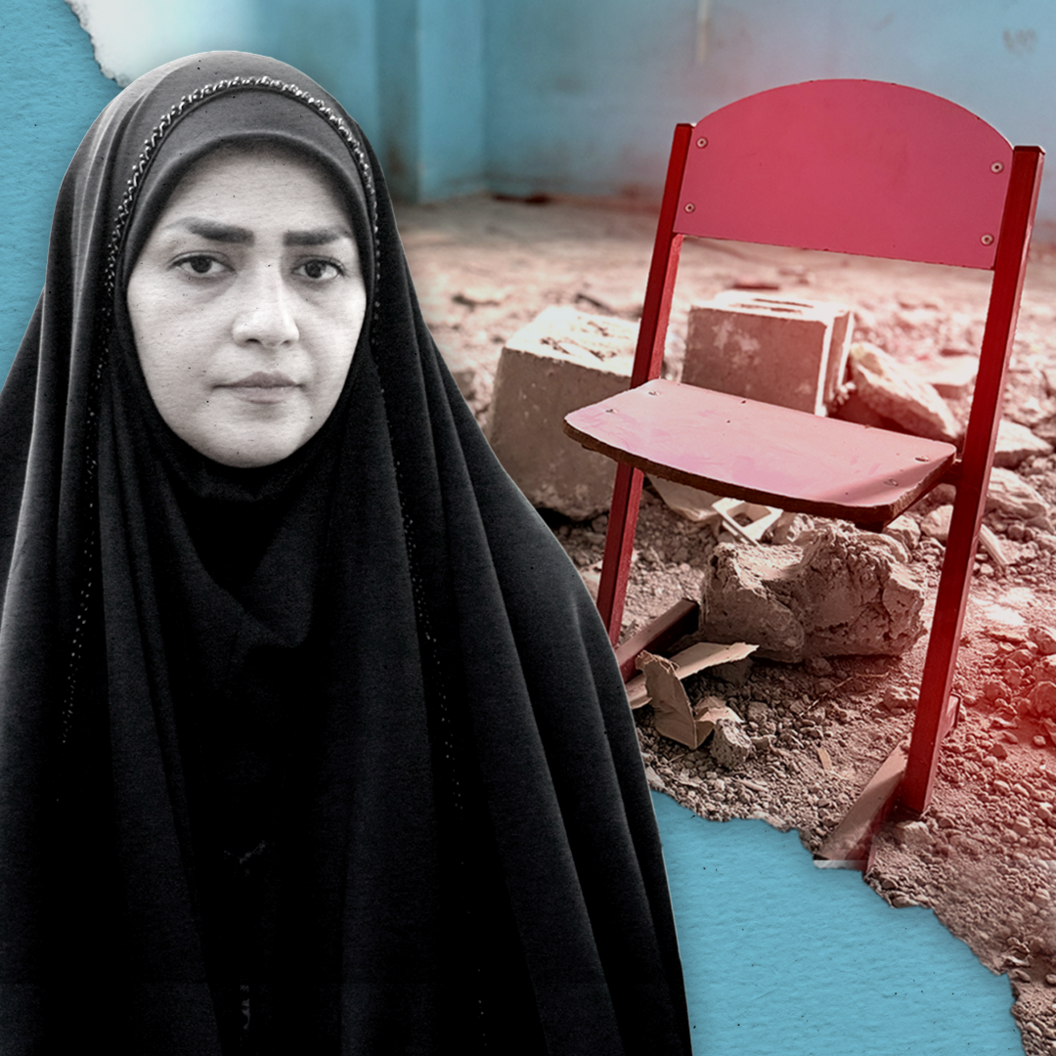
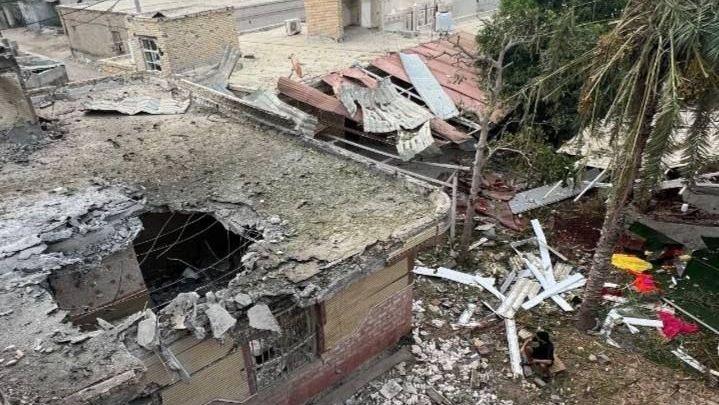
Teacher Amaineh Nadegi, who taught first‑grade girls in the upper floor, describes how sudden explosions sent children flying and suffocating in black smoke. The school’s upper floor collapsed onto the lower floors, leaving the building a ruin of concrete and chalk‑filled chairs.
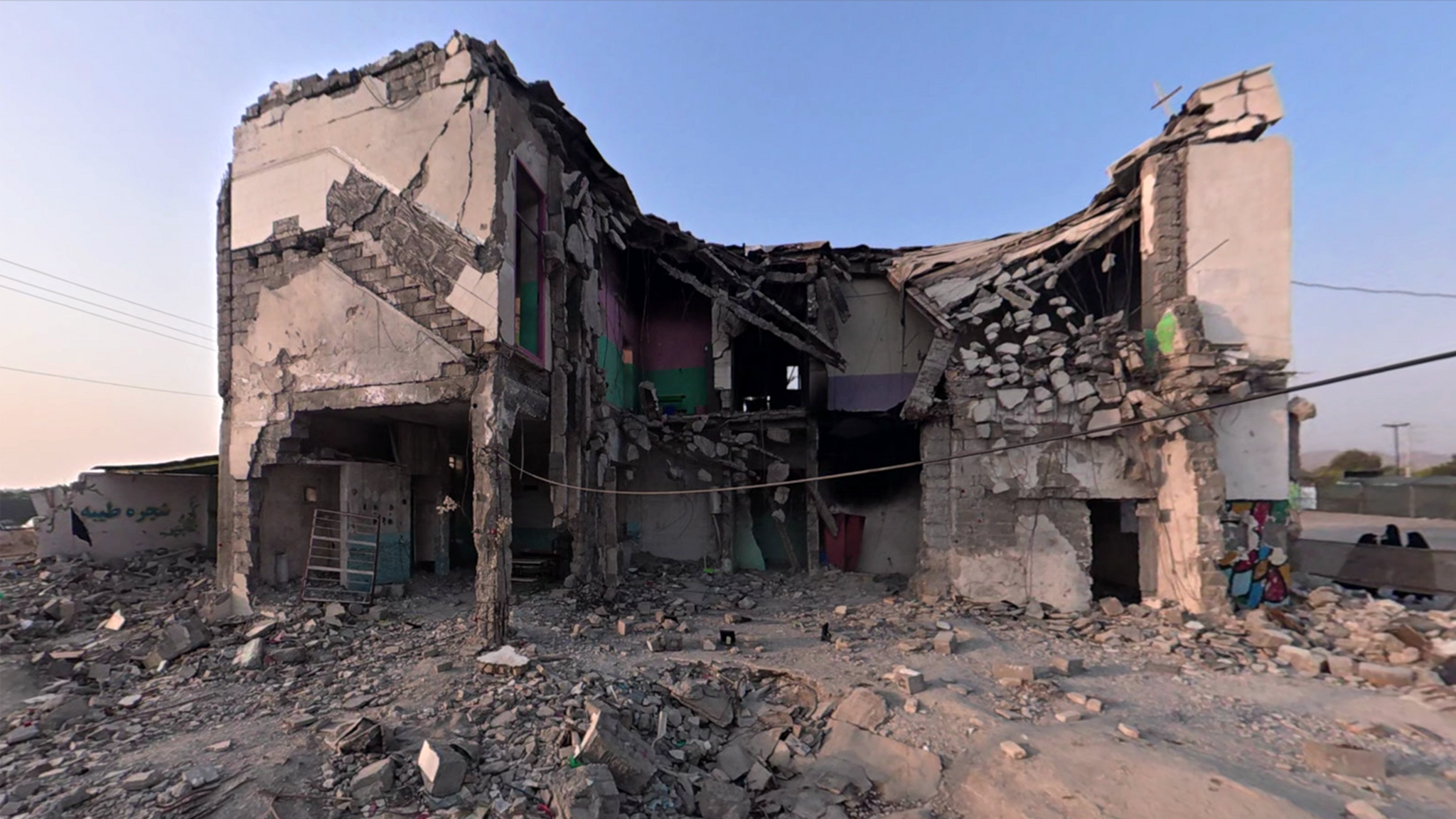
The National Security Agency’s satellite imagery recorded the strike as a Tomahawk guided missile, a weapon neither Israel nor Iran is known to use. The missile's target, an Iranian Revolutionary Guard Corps complex, is adjacent to the school—an area that was mapped as a military site but had been sealed off since 2016.
Multiple U.S. officials have denied responsibility. Defense Secretary Pete Hegseth highlighted ongoing investigations and pledged that the United States “never target civilian targets.” Higher‑level inquiries are led by an officer outside of U.S. Central Command, but no final report has been released.
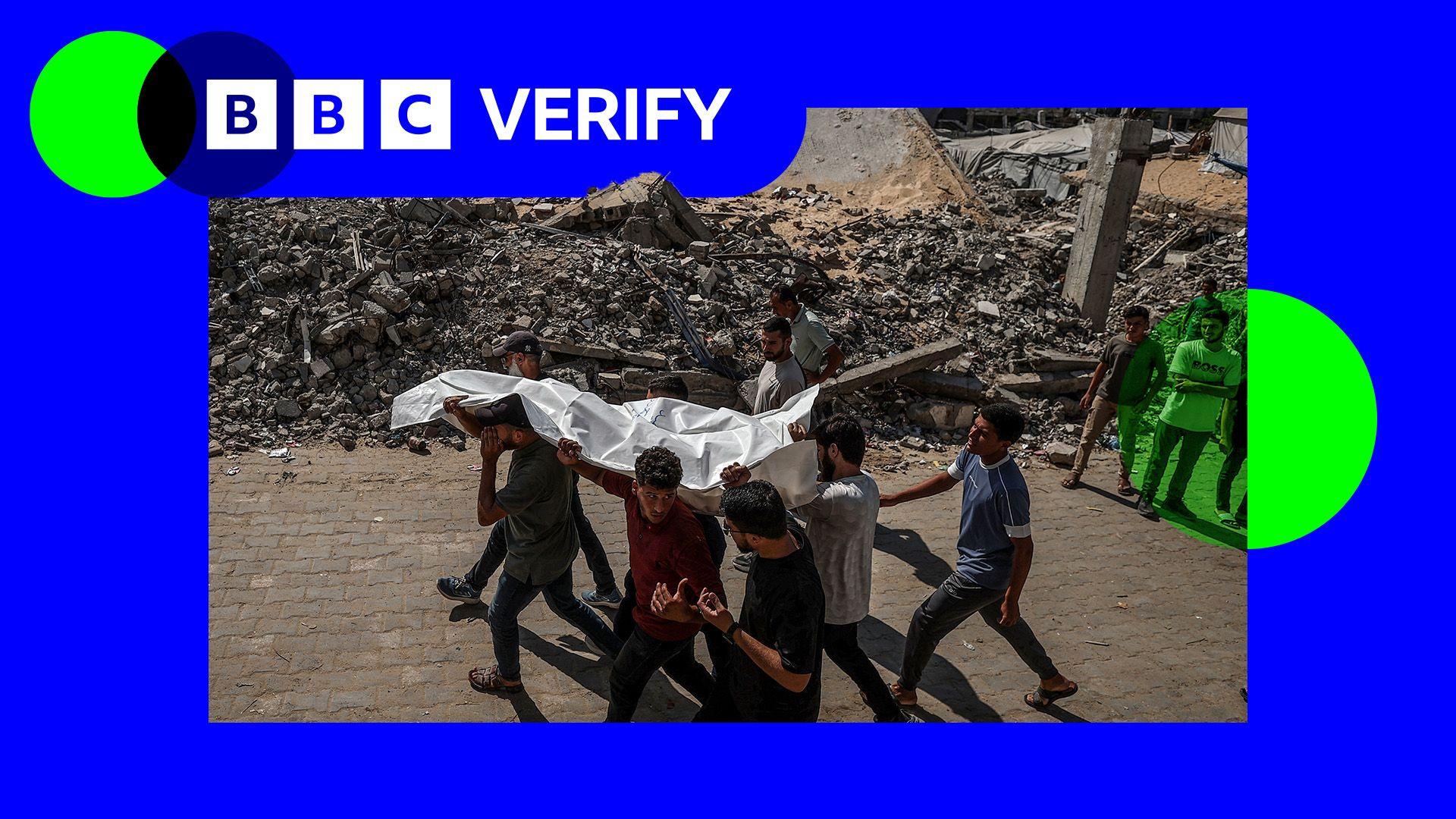
The aftermath saw emergency crews, including local Iranian Red Crescent workers, sifting through shattered walls to recover bodies. Survivors were never found, and families identified victims by fragments—socks, hair or scar marks—today still a raw wound in the community.
The strike became a focal point of Iranian national mourning. The cemetery adjacent to the school now hosts nightly vigils where grieving mothers, like Masoumeh Mehran Shekhabadi, place flowers on the graves of their children, each seeking acknowledgment of the tragedy. She recounts her daughter Setayesh’s death, identified only through the color of her socks.
Political responses have mirrored the attack’s impact. Iran’s state media uses the incident as evidence that the U.S. campaign has inflicted devastating civilian casualties, contrasting with Washington’s narrative of a purely military strike location. Meanwhile, some Iranian communities view the attack as a key blow against the regime’s use of foreign firepower.
International observers note that the Minab strike magnified existing tensions in the region and questioned the feasibility of a surgical, purely civilian‑free strike amid widespread civilian sectors. The incident underscores the human cost of modern warfare and the persistent uncertainties around intelligence assessments in contested territories.