In brief
In Tbilisi, demonstrations are intensifying against an increasingly authoritarian government, raising fears of a larger crisis akin to earlier conflicts in Ukraine.
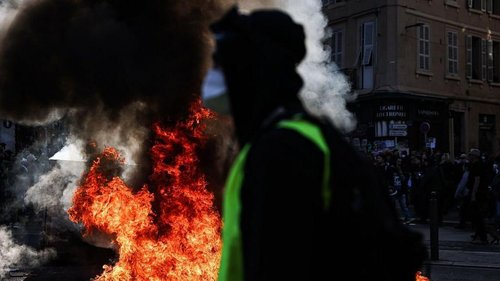
In the streets of Tbilisi, a familiar scene is unfolding reminiscent of Ukraine a decade ago, where the specter of Russian influence looms large. Within Georgia, a former Soviet republic, an authoritarian regime appears to be gearing itself towards Moscow while distancing from the European Union, igniting fierce anti-government protests that echo the nationwide demonstrations seen in Ukraine before the war.Last week, demonstrators filled the streets, setting off fireworks in a show of resistance against riot police, signaling a tumultuous atmosphere in the capital. The government's crackdown on dissent has turned violent, with reports of young protesters being beaten and arrested. As clashes between police and demonstrators escalate, deeper societal fractures are beginning to surface, reminiscent of Ukraine’s turbulent past.The ramifications of drifting closer to Moscow are evident, raising the stakes for whether Georgia can navigate a path to Europe without inciting further backlash. The nations surrounding Russia, like Georgia, Moldova, and Ukraine, continue to grapple with their identities and alliances in light of Russian occupation and aggression in various regions.As Georgia’s protests unfold, many watch with bated breath, aware that the consequences of failing to stand firm against Russian influence could lead to an escalation similar to Ukraine's tragic journey toward conflict. The people of Georgia are now at a crossroads, with their desire for European integration colliding with Russia's historical grasp over the region. The outcomes of these mass mobilizations remain uncertain, echoing past revolutionary fervor across Eastern Europe.