In early 2026, Vietnam’s police raided two warehouses outside Ho Chi Minh City, uncovering more than 23,000 pairs of counterfeit slippers emblazoned with the logos of Nike, Adidas, Crocs and Gucci. The goods were seized for a total value of 2 billion Vietnamese dong (about $76,000), illustrating the scale of the country’s long‑standing fake‑goods market.
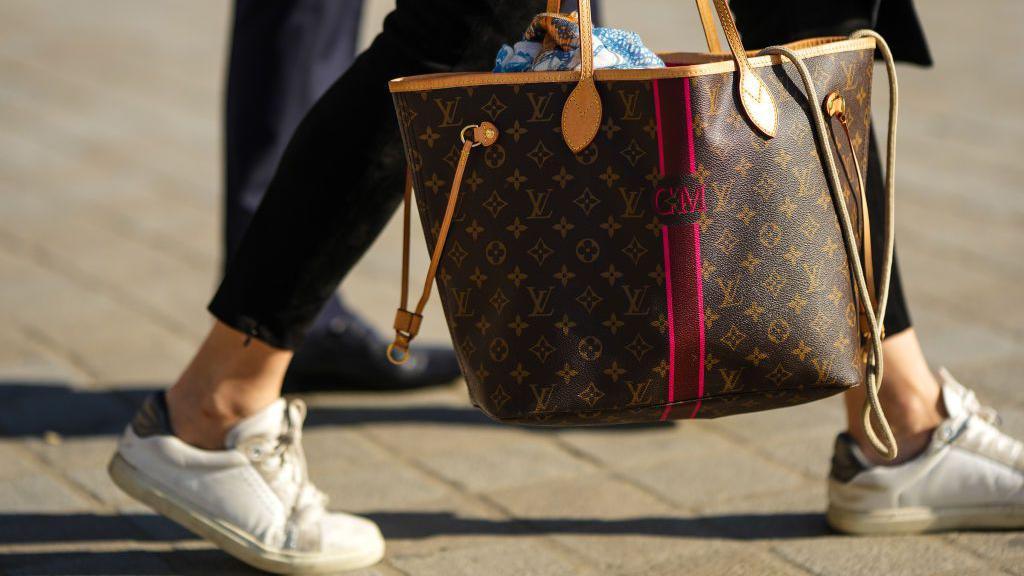
The washers that inspired a flurry of local gossip are barely a fraction of the faux designer items that Vietnam routinely exports to neighboring markets. At a nearby flea market, the same knock‑off sneakers, which can reach $900 overseas, were sold for as little as $30 in the city’s tourist strip. In addition to footwear, stalls displayed counterfeit handbags from “Chanel” and “Prada”, t‑shirts labelled “Rolex” and other high‑profile fakes.
The government’s raid is part of a nationwide push that began on 7 May, encompassing products that violate intellectual‑property rights, online piracy and trademark infringements. The crackdown follows the U.S. Office of the Trade Representative’s April report designating Vietnam as a “priority foreign country” and the country’s first-ever placement on the list of nations that persistently fail to protect IP rights.
Local vendors who rely on the market describe the new enforcement as “strict” compared to earlier inspections that only targeted high‑value items. “When inspectors arrive, some stall holders warn us in advance, but business still continues,” said Thanh Truc, a vendor at Saigon Square. She sold a replica Loewe shirt for $17 before the latest raids.
Authorities are projecting a 20 % increase in IP violation busts for May compared with the same month a year earlier. In late May, a sweep in Ben Thanh Market and neighboring Saigon Square confiscated counterfeit goods worth more than $19,000, yet vendors still claim that their supply chains—mainly sourced from China—will adapt to new legal pressures.
For some entrepreneurs, the crackdown offers opportunities. Thi Nguyen, a fashion designer in Ho Chi Minh and Da Lat, argues that the crackdown helps level the playing field for genuine designers. “When fake vendors close, customers appreciate an authentic product, even if they are pricier,” she says, noting that she plans to raise her own product prices.
The crackdown faces resistance, however. Huy, a regular buyer of counterfeit soccer shirts, worries that disappearance of cheap knock‑offs might push consumers to pay more for real items he cannot afford. Local academic Thi Thanh Huong Tran points out that 60 % of Vietnameses live in rural areas with an average monthly income of just $225. She argues that the price advantage of fakes means they will likely survive, regardless of regulator actions.
While vendors adapt by tweaking product design—changing “Nike” to “Mike” to skirt legal thresholds—the crackdown remains part of a broader attempt to restore “fairness, transparency and justice” to Vietnam’s retail landscape. Yet the question remains whether a fragile economy built on cheap imitation can fully withstand sustained pressure from global IP champions.