In brief
Hernán Gil was found trapped under 140 tonnes of rubble after twin earthquakes struck Catia La Mar, Venezuela. International teams—including Venezuela, Chile, Costa Rica, El Salvador, Mexico, Portugal and the United States—worked for over 100 hours to free him. He was able to speak, drink water and receive an intravenous drip, and showed no signs of serious injury. According to rescue workers, the small concrete booth where he worked acted as a shell, shielding him from the collapsed structure. The rescue effort highlights the technical challenges of rubble removal and the resilience of both survivors and rescuers.
Venezuela quake survivor pulled out alive after eight days
After twin earthquakes struck Catia La Mar on 24 June, a small concrete booth in the basement of a parking lot became a fortress that kept Hernán Gil from being crushed under 140 tonnes of rubble. His colleagues reported the building’s shell had shielded him, enabling his survival for eight days before rescue crews finally found him on Saturday morning.
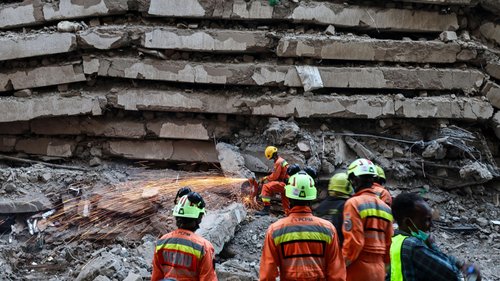
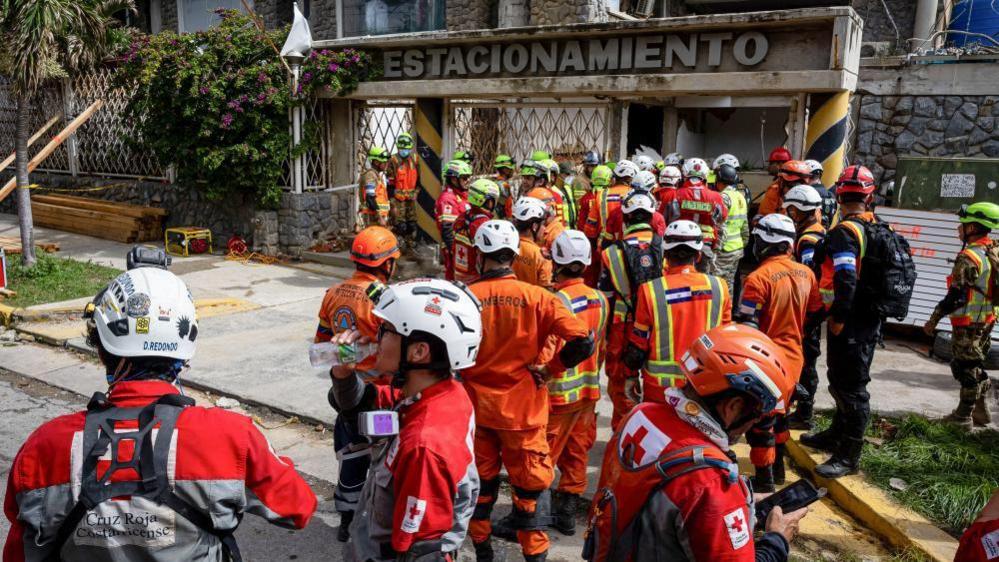
Teams from seven countries – Venezuela, Chile, Costa Rica, El Salvador, Mexico, Portugal and the United States – coordinated a multi‑phase dig that lasted more than 100 hours. Multiple access ducts built by the rescuers collapsed during work, underscoring the danger to both rescuer and victim as the debris shifted beneath them.
Video footage inserted into one of the rubble piles shows a Chilean firefighter calling out to Gil, “Turn your head toward the camera.” A single crack in the compacted rubble allowed a small camera to capture Gil’s courage. He was wearing a face mask delivered through a tiny hole, and he asked rescuers to put goggles over his eyes to protect him from dust.
After waking, Gil was offered water and hooked up to an intravenous drip, according to Ricardo Arias of the Costa Rican Red Cross. He said he was “fine” and notably did not have a crushed nail, a remarkable statement given the surrounding collapse.
The rescue operation, described by a Chilean firefighter as “the most complex and technically difficult” he had ever faced, continues to highlight the global response to natural disasters and the resilience of those caught in their wake. As the government reports nearly 2,300 deaths and tens of thousands still missing, Gil’s survival offers a glimmer of hope among the tragedy.