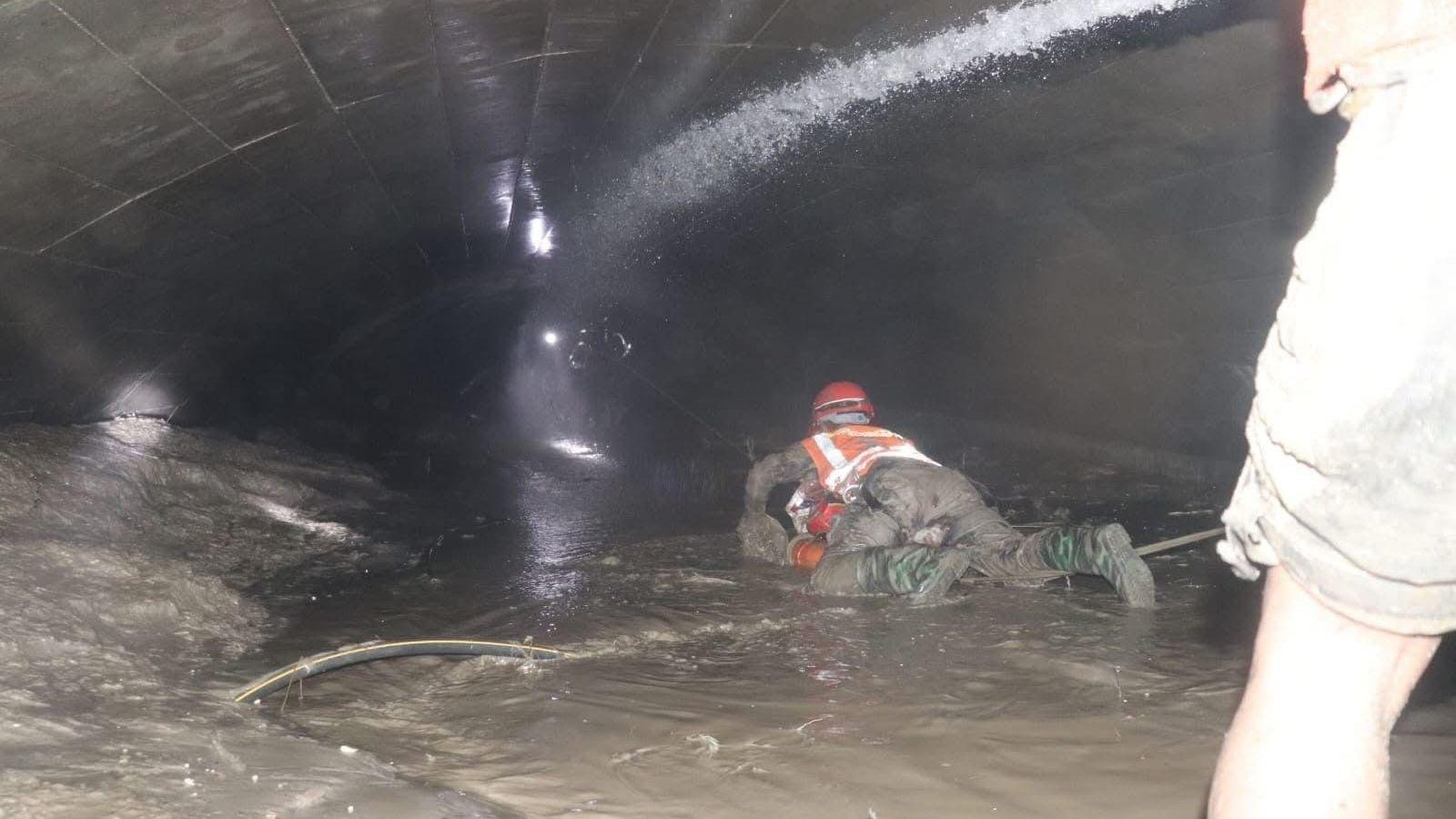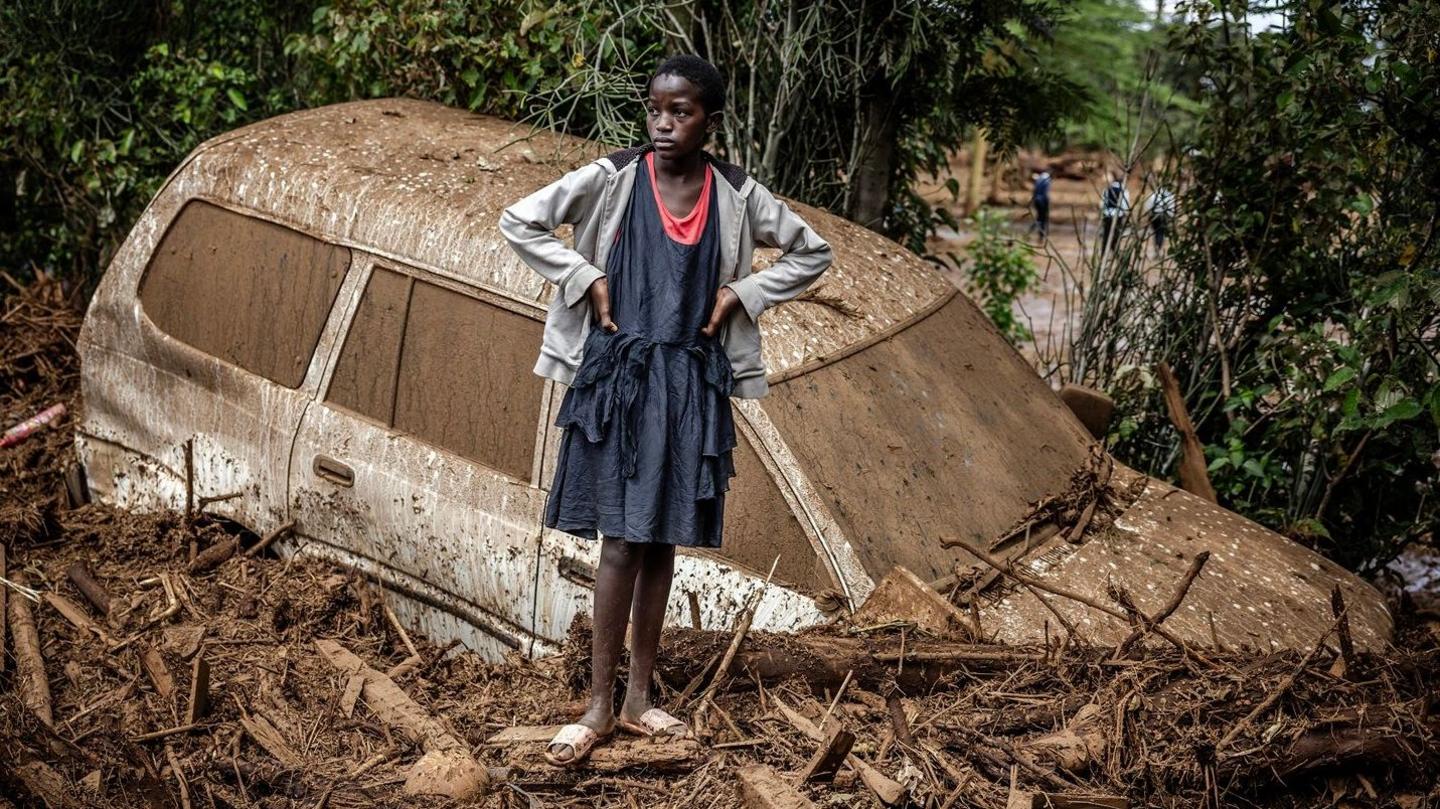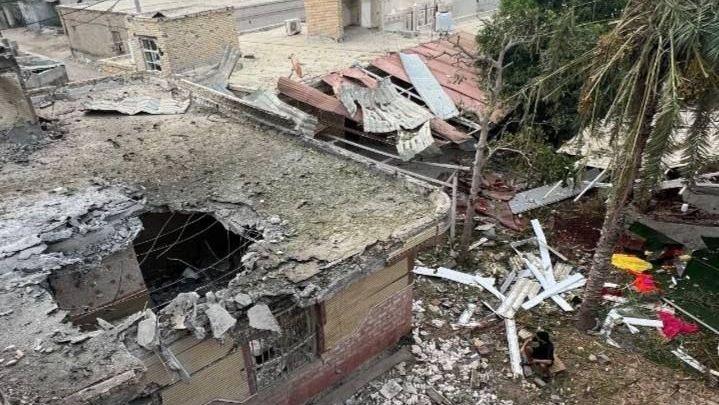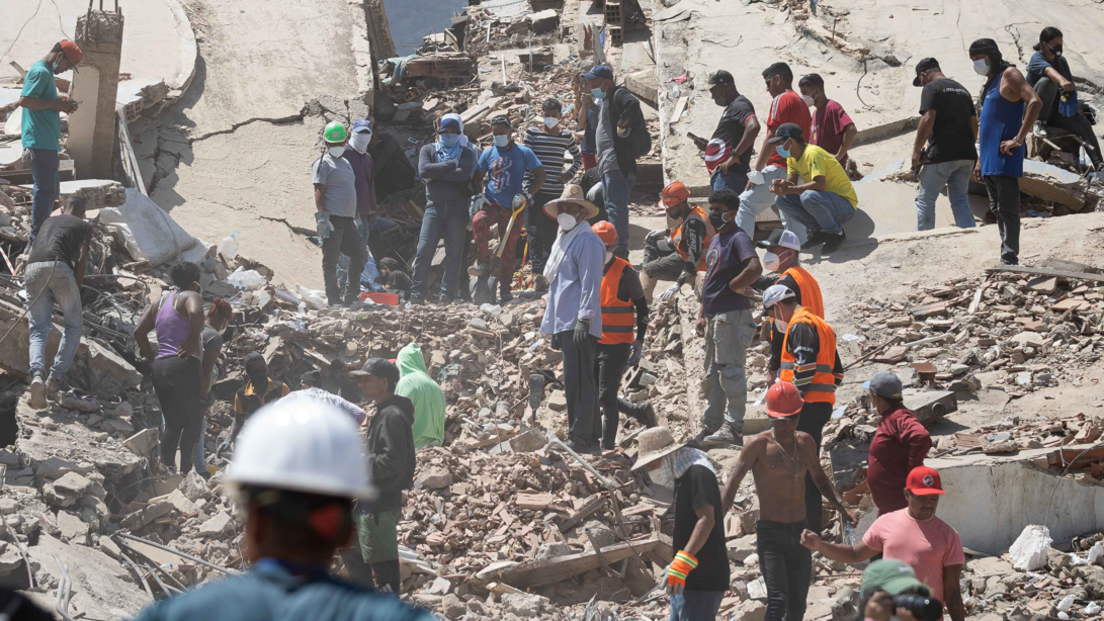
The port city of La Guaira, a major hub of northern Venezuela, is in chaos. Residents and volunteers are using crowbars, mallets and pickaxes to sift through collapsed buildings, as official rescue assets arrive only after the rubble has already crumbled. Nearly 800 houses vanished in the twin quakes that struck Wednesday at magnitudes 7.2 and 7.5 within a 39‑second window. More than 1,700 people have died, the highest toll in the country’s history.
The aftershock that rattled Caracas and La Guaira on Monday, registering at 4.6, acutely upended an already fragile rescue effort, yet no new damage was reported. Citizens in Catia La Mar have expressed anger at authorities, noting that police and army presence appears sparse in the hardest‑hit zones. Citizen Ruben Rojas, a 32‑year‑old electrician, described the inefficiency: “The civil protection people decided to help, but they don’t have the equipment. The government doesn’t give it. They are working with their hands just like us.”
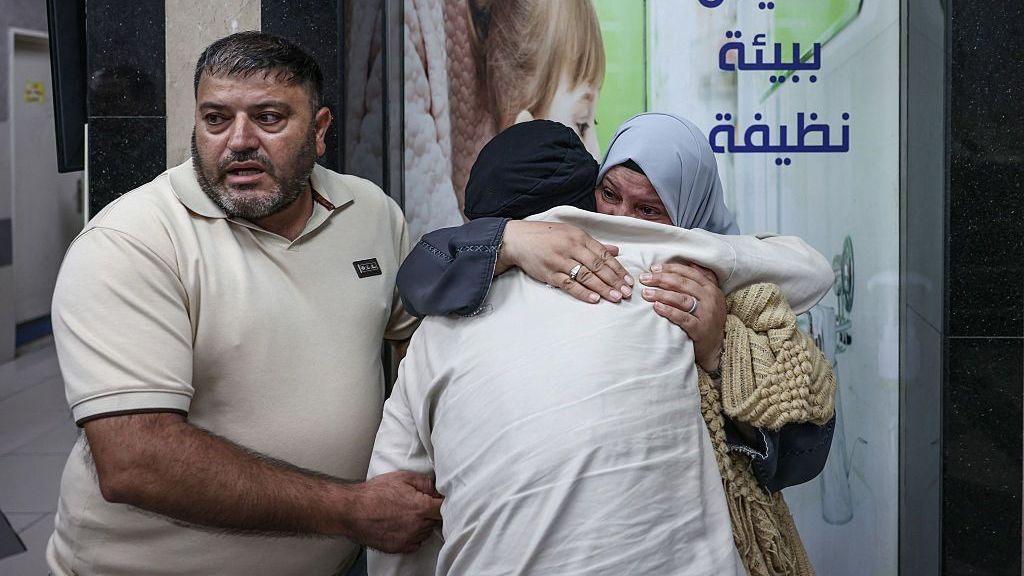
Heavy machinery has been arriving sporadically, too late for many buildings where volunteers have been digging for days without sufficient power or tools. In one instance, 39‑year‑old Carolyn Zerpa spent hours searching for relatives under debris. “You can’t do much with just a pickaxe,” she said. Her focus has shifted from rescue to recovery, hunting for remains and honoring the deceased.
Across the country, the UN reports over 500 aftershocks and at least 2,500 damaged structures, the majority collapsed. The UN has secured 10,000 body bags to address the rising death toll. Meanwhile, the United States announced a $300 million aid package, expanding the previous $150 million commitment to cover medical care, food, water, sanitation, shelter and logistics. The US military has re‑opened La Guaira’s port to accelerate delivery, with the USS Fort Lauderdale docked and active.
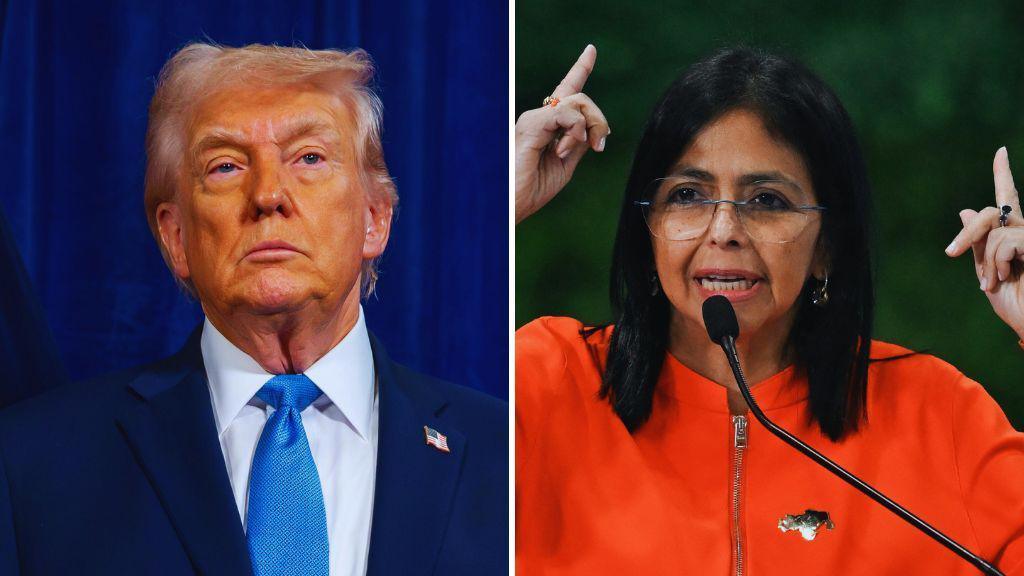
International contributions also include a Dutch vessel loaded with emergency supplies and China’s pledge of nearly $15 million. Within the block of the earthquake epicentre, locals in the mountainous area of El Junquito report a lack of public officials, leaving farmers and other residents to tend to basic supplies. Interim President Delcy Rodríguez stated that 25,000 emergency workers, police officers and soldiers are aiding the relief effort, but many residents remain uncertain of when debris will be cleared and assistance fully delivered.
In the wake of these events, both local and foreign rescue teams struggle to navigate the overwhelming scale of destruction, fighting against time and resource shortages to extend help to the thousands still trapped in the rubble. The international community continues to mobilise, yet the hope that the death toll can be contained faces the stark reality of a post‑earthquake crisis that demands swift, coordinated, and resource‑rich intervention.
Image: Volunteers conduct search operations in a building damaged by an earthquake in La Guaira, 29 June 2026.