In brief
The Ukrainian Armed Forces’ Operation Vivaldi has reclaimed 277 km² in eastern Donbas, using drones, robots, and Starshield satellite links to outmaneuver Russian forces. A sudden limitation on Starlink services—reportedly ordered from Washington—threatens to blunt this digital edge. Despite the setback, Ukrainian soldiers credit the connectivity for victories, while Russian troops continue to press with relentless drone attacks. Personal stories of soldier morale and civilian isolation underscore the human cost and determination amid the shifting battlefield.
In a pivotal strike against the Russian advance, Ukrainian forces have repelled a pincer manoeuvre that threatened to cut off key cities in the Donbas. The offensive, dubbed Operation Vivaldi, has reclaimed 277 km² (106 square miles) of occupied territory by the end of October, according to the Institute for the Study of War.
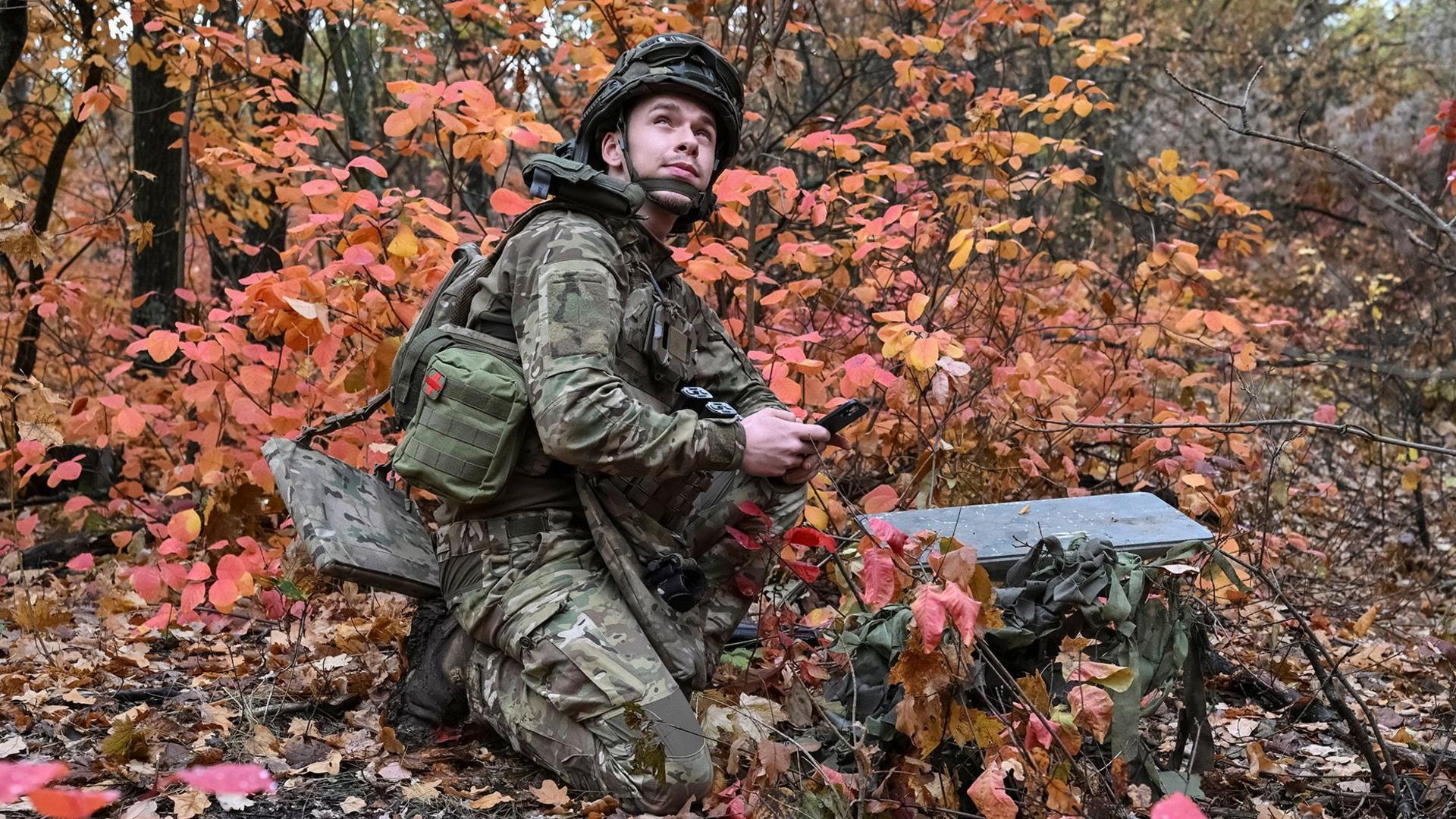
Central to this success is the integration of Starlink satellite communications—now rebranded Starshield for military use. The system provides real‑time broadband links that enable drones, robots, and command posts to coordinate moves across the battlefield. A Ukrainian drone hunter, known as "Dealer," recounts how a live‑stream from a command bunker forced a Russian reconnaissance plane to fall victim to a hovering net‑dropping drone, cutting off the enemy’s fire‑control.
However, the night before the final push, Kyiv received a warning that the network could be cut off at short notice. Reports link the restriction to a U.S. directive, raising concerns that a loss of connectivity would abruptly stall advances and expose troops to greater risk. Elon Musk’s Starlink CEO has suggested the order could come from Washington’s national‑security apparatus.
Despite this, Ukrainian soldiers maintain high morale. "We trained for months, switched from defence to offence, and used remote‑controlled explosive vehicles to break Russian lines," says Commandant Phoenix of the Silver Trinity unit. His men credit the network for clearing paths for drones and for enabling mid‑range attack drones that have secured a strategic bridgehead.
Meanwhile, civilians in villages such as Karpivka stand as silent witnesses. 61‑year‑old Volodymyr Zamota, the lone survivor of a once‑populated settlement, expresses both a desire to return and a lingering hope that the war will end soon. “I thought I would live to old age without seeing this, but it happened,” he says.
In the broader geopolitical context, Kyiv’s trust in Washington has frayed. President Zelensky‑Peskov has called the restrictions a betrayal, while U.S. political leaders remain divided, with some calling for investigations into the decision to limit military connectivity.
Nonetheless, the elite units of the Ukrainian army continue to see Operation Vivaldi as a turning point. The use of unmanned ground vehicles to deliver supplies, evacuate the wounded, and lead assaults indicates the growing sophistication of combat operations. The battle for aerial supremacy—mirrored by ground tactics—rests on a digital backbone that remains under political threat.
In the coming weeks, the world will watch whether Ukraine can keep its digital edge or if a sudden loss of connectivity will turn the tide in favour of the Russian military’s renewed manoeuvres. For now, Ukrainian soldiers return to the front, unstoppable, believing that victory is within reach even as the broader war rages on.