In brief
A New York federal court sentenced Hadi Matar, already serving 25 years for attempted murder, to additional life‑sentence for providing material support to Hezbollah. Prosecutors linked his actions to a 1989 Iran fatwa demanding Rushdie’s death and to a 2006 Hezbollah speech urging enforcement. The defendant’s two‑year plotting culminated in a July 2024 stabbing that left Rushdie with severe wounds, witnessed by a firefighter. Rushdie testified during the trial, emphasizing the act’s terror nature, while defense argued it was a personal attack. The conviction now carries ramifications for U.S. terrorism policy and the author’s ongoing recovery journey.
In a New York federal court, Hadi Matar, a U.S. inmate already serving 25 years for an attempted murder of Sir Salman Rushdie, was convicted of providing material support to Hezbollah.
Prosecutors cited a 1989 Iran fatwa ordering Rushdie’s death and a 2006 Hezbollah call for its enforcement, framing Matar’s plot as a transnational terrorist act that spanned two years.
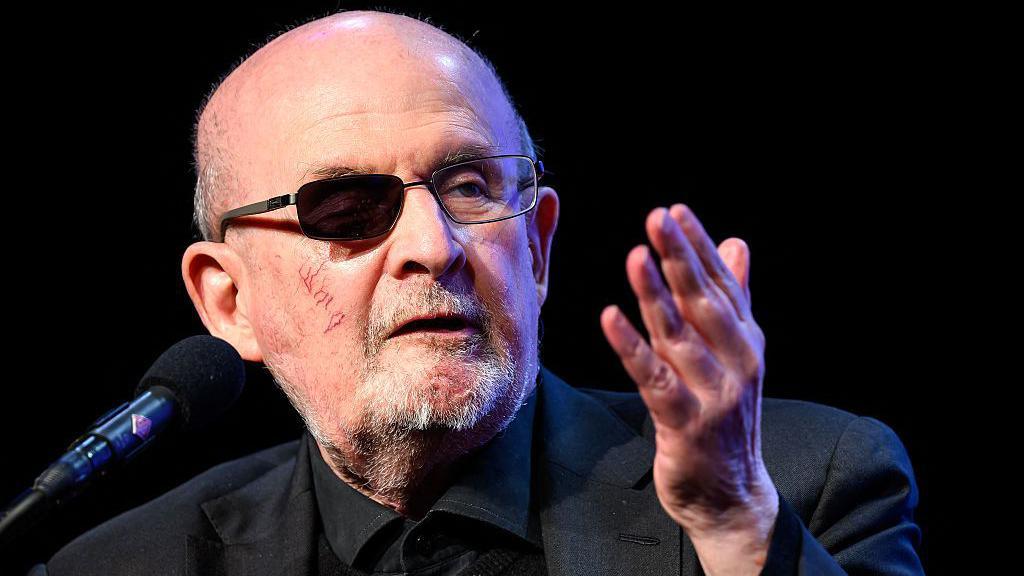
Rushdie testified, describing the July 2024 stabbing that left him with multiple wounds and partial blindness, and praised a local firefighter who delivered emergency care.
The court’s verdict now exposes Matar to a potential life sentence in addition to his existing term, underscoring the intersection of literary controversy, international terrorism, and U.S. justice policy.