UK’s Settlement Ban Sends Israel‑Britain Relations into Freefall
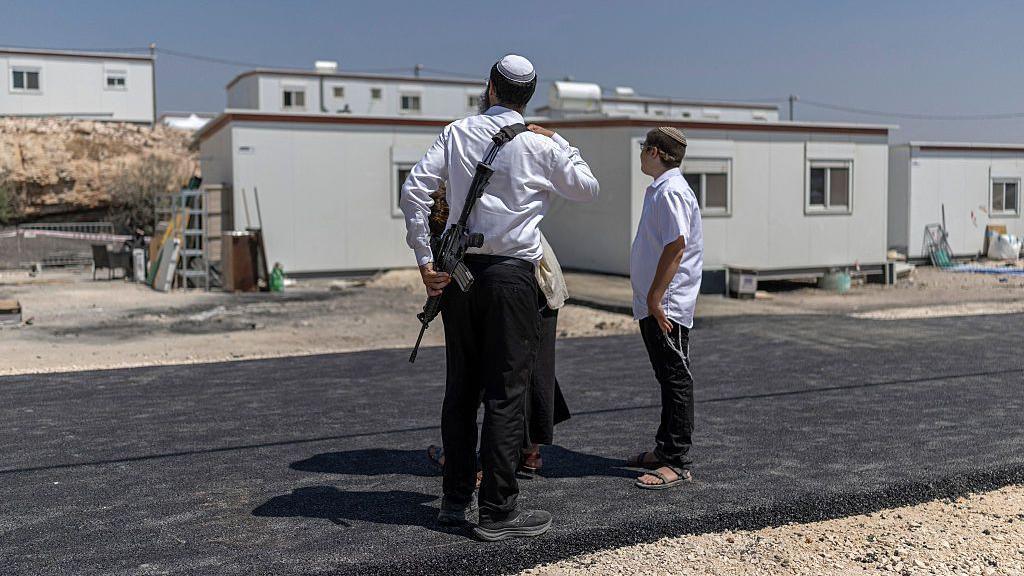
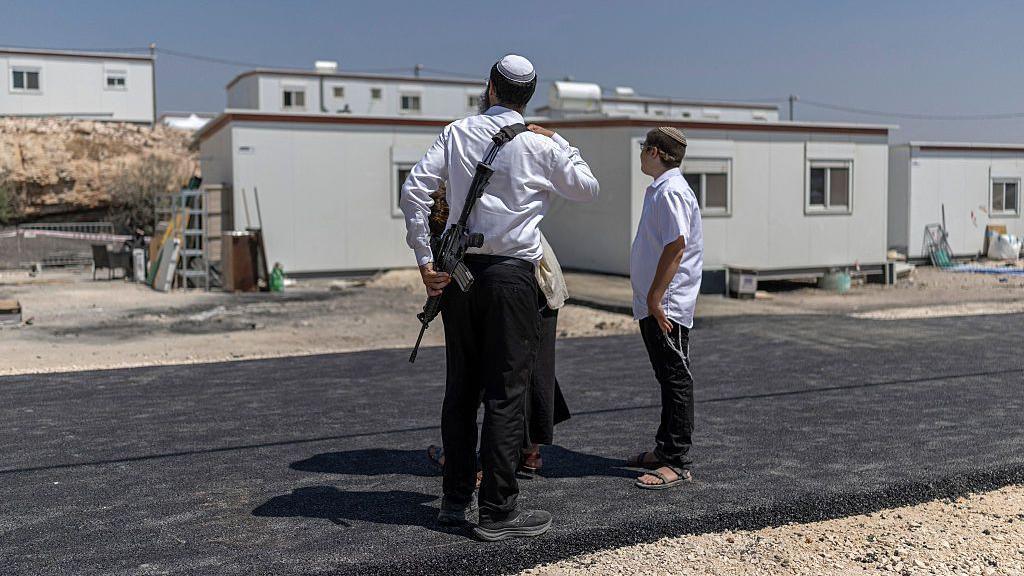
Britain’s unprecedented ban on trade with Israeli settlements in the occupied West Bank has ignited one of Israel’s most vehement diplomatic backlash in decades. On Tuesday, the UK led a bloc of twelve countries – including France, Spain, and Canada – to outlaw goods and services originating from Israeli settlements, citing the 2024 International Court of Justice ruling that the occupation is illegal.
The move has translated into a sharp deterioration in diplomatic ties. Israel has closed the UK consulate in East Jerusalem and excised British staff from the International Gaza Support Centre. In public statements, Prime Minister Benjamin Netanyahu called the sanctions an “unjust and humiliating interference” that undermines the “security and stability” of the region.
Foreign Secretary Ed Miliband framed the decision as a “reset” that aligns UK policy with the court’s ruling. He declared, “Settler terrorism is rampant and this has been a form of ethnic cleansing,” remarks that have shocked the Israeli establishment and cast the ban as a direct policy reversal on a quiet‑but‑deeply‑rooted frontier issue.
The sanction extends beyond raw products. It prohibits companies that supply construction, infrastructure or finance to settlement projects, and restricts arms sales that “materially contribute to the occupation.” The breadth of the policy indicates a strategic pivot in British foreign policy that many analysts describe as the most punitive stance taken in the Middle East since the early 1990s.
The fallout could reshape UK‑Israel cooperation on security, research and trade. While the United Nations and the European Union have managed to maintain a wary balance, the UK’s unilateral action may provoke a recalibration of alliances, particularly as new international sanctions on Israel’s settlement enterprise create a cascade of legal and economic uncertainties.
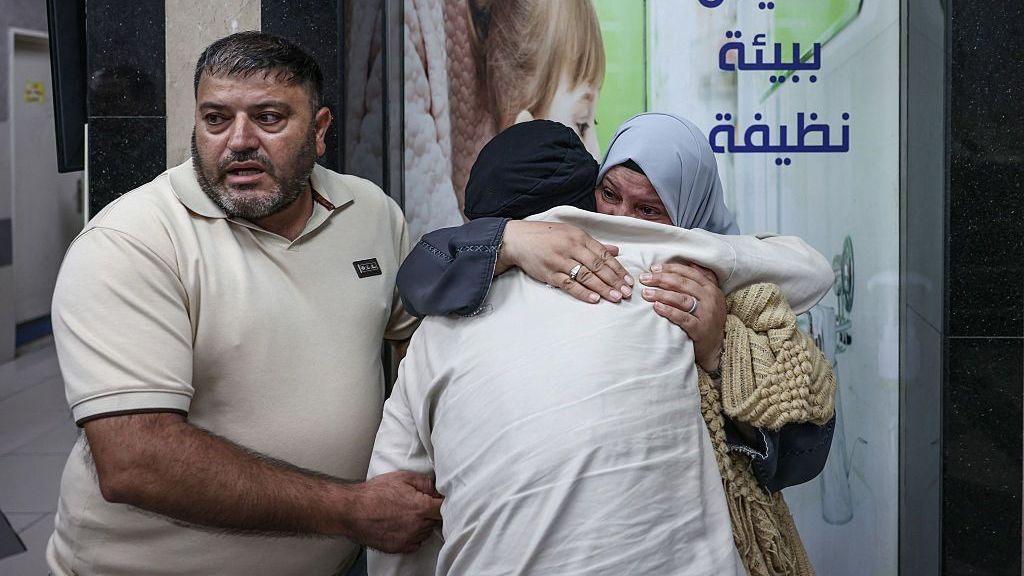
For Palestinians, the ban heralds a symbolic victory but offers little tangible change. The Palestinian Foreign Ministry has called for “urgent, concrete measures” to halt Israel’s settlement “illegal enterprise,” while the Palestinian ambassador in London praised the UK’s steps as “courageous” and essential for advancing a Palestinian state on 1967 borders.
With the United States remaining the principal lever in the Middle East, the partnership between Washington and Israel will now test its resilience against this new frontmanship. Unless the UK or other signatories expand their sanctions, Israel’s settlement expansion may continue largely unimpeded in the foreseeable future.