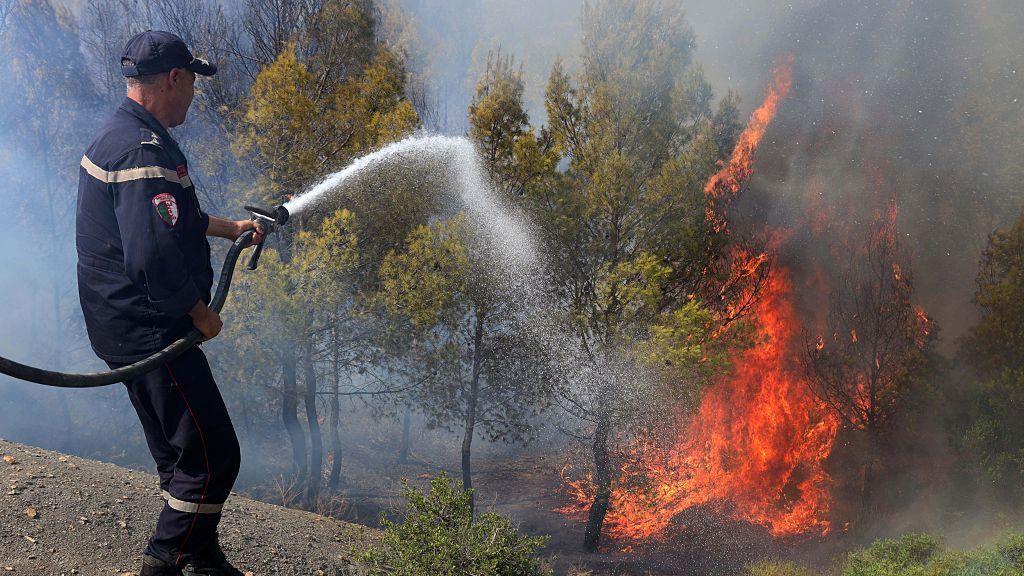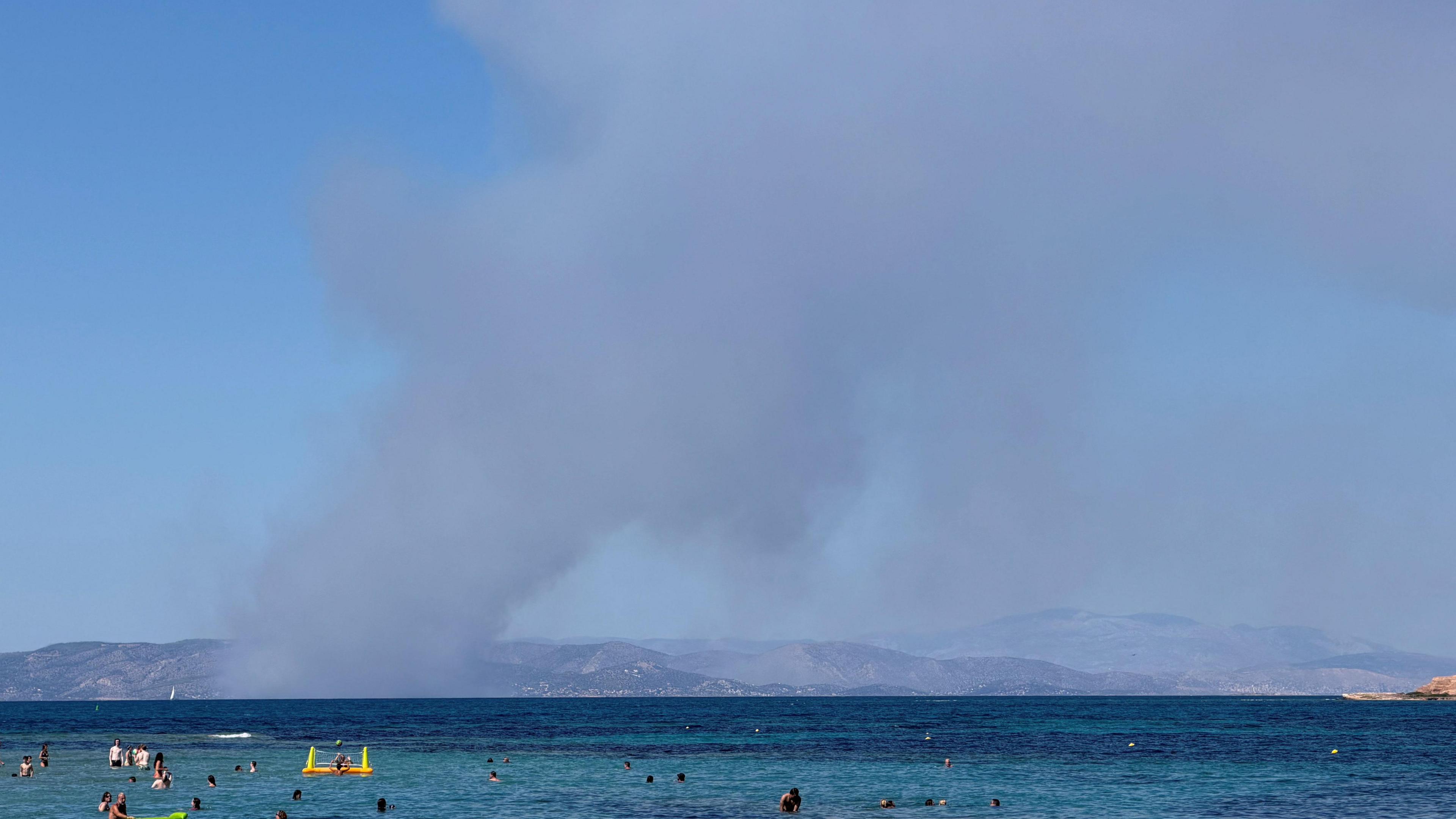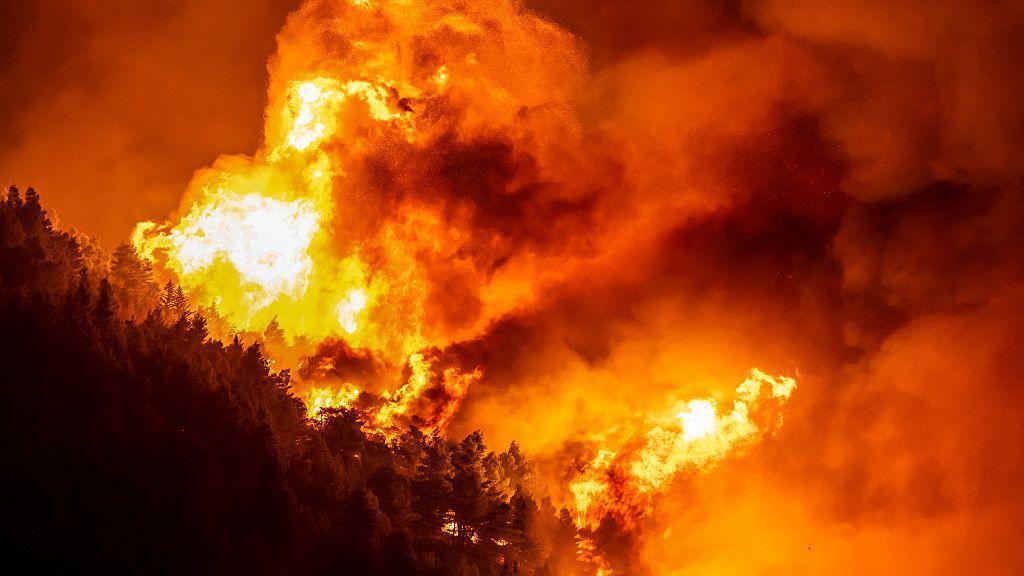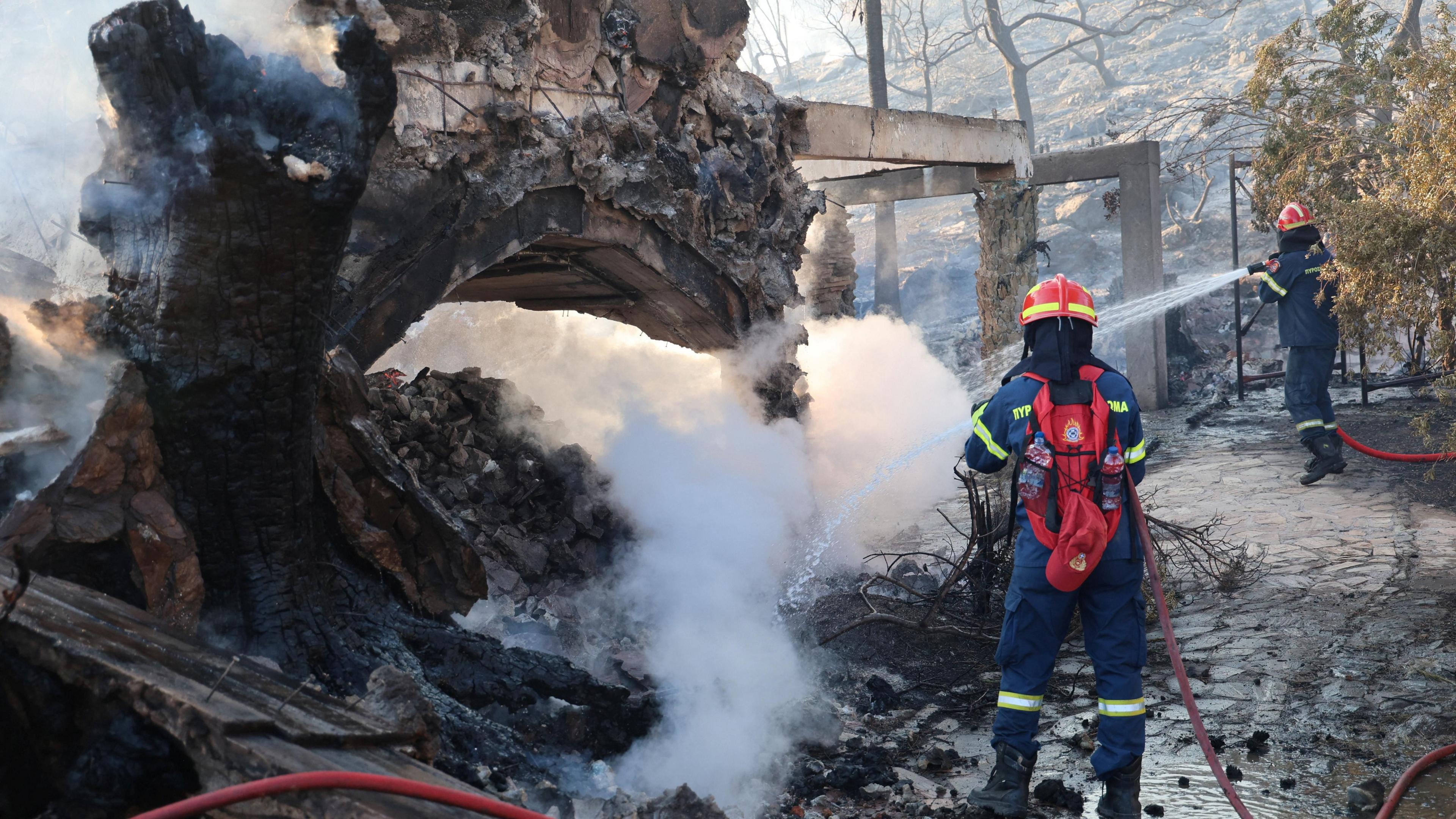
Twin wildfires broke out on Salamina, a Greek island just west of Athens, on Sunday afternoon and left two residents dead while forcing the evacuation of about 500 people. The blazes were ignited only minutes apart, each feeding on dense vegetation under a surge of high winds.
The first fire was reported at 14:40 local time (11:40 GMT) near the island’s south coast, and the second erupted roughly 20 minutes later in the east. The exact cause remains unclear. Fire officials said the blaze in Peristeria, a residential zone on the southern side of the island, was spreading swiftly, while the eastern fire had no active front by late Sunday.
Around 200 firefighters, 50 specialized fire engines, and aircraft equipped with water‑tanker and construction machinery were dispatched to the island. Two coast guard vessels and a fire‑department boat stayed on standby for surveillance and aid. By evening, one of the blazes had been brought under control, and the evacuation of the island’s largely elderly population was completed by sea.
Firefighters found two bodies at the scene, believed to be a couple, and local authorities confirmed the loss. Health officials reported that at least ten residents suffered burns or smoke‑inhalation, with five receiving treatment in local hospitals. No fatalities were reported from the second fire.
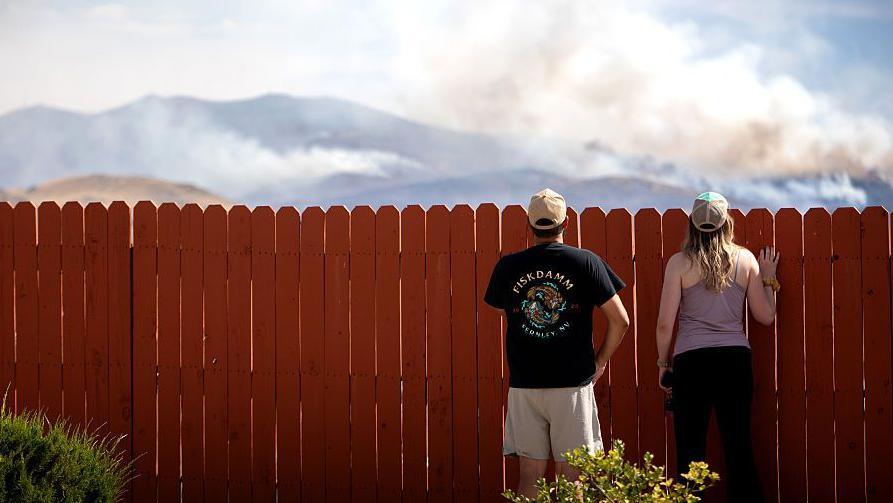
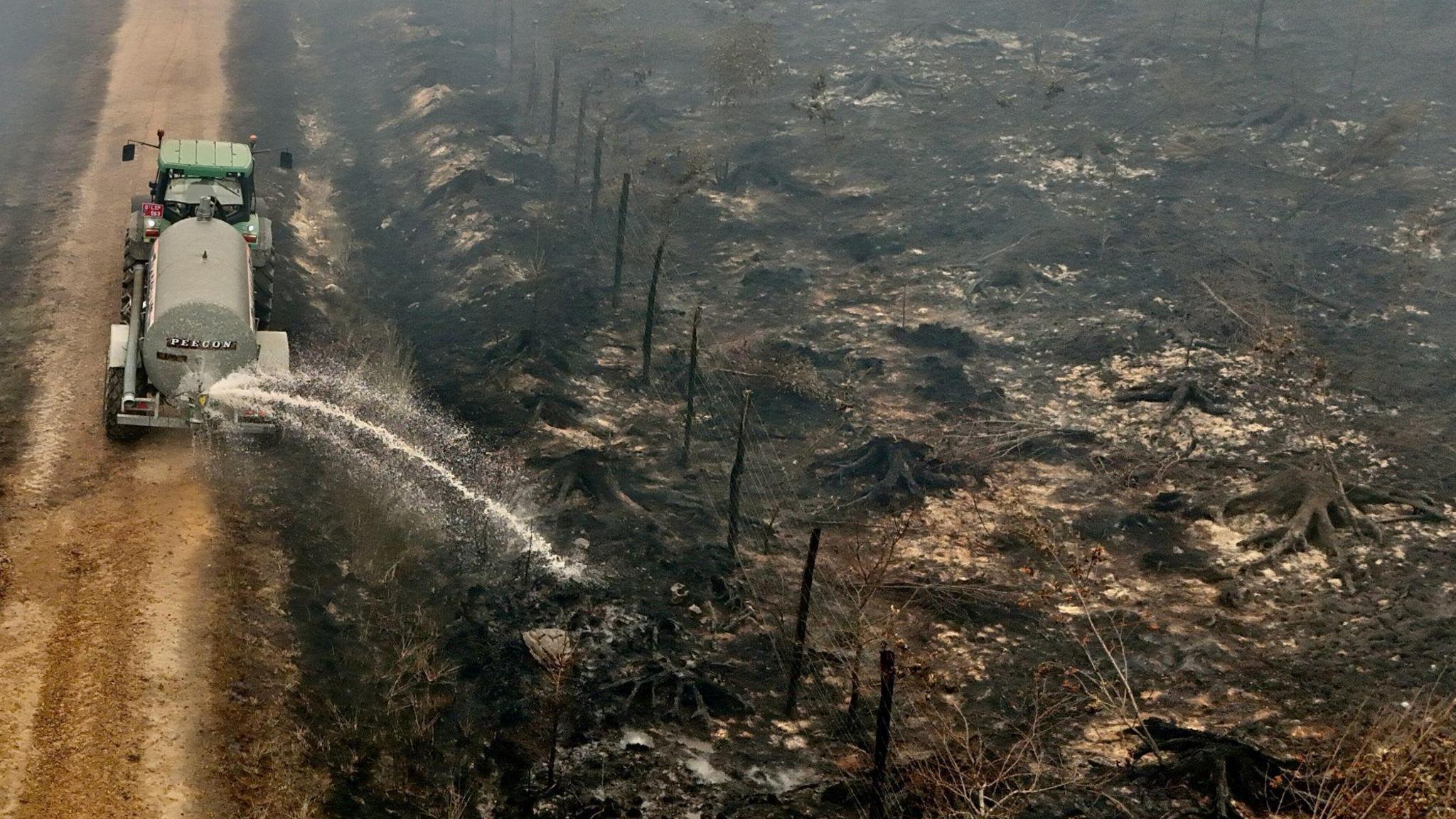
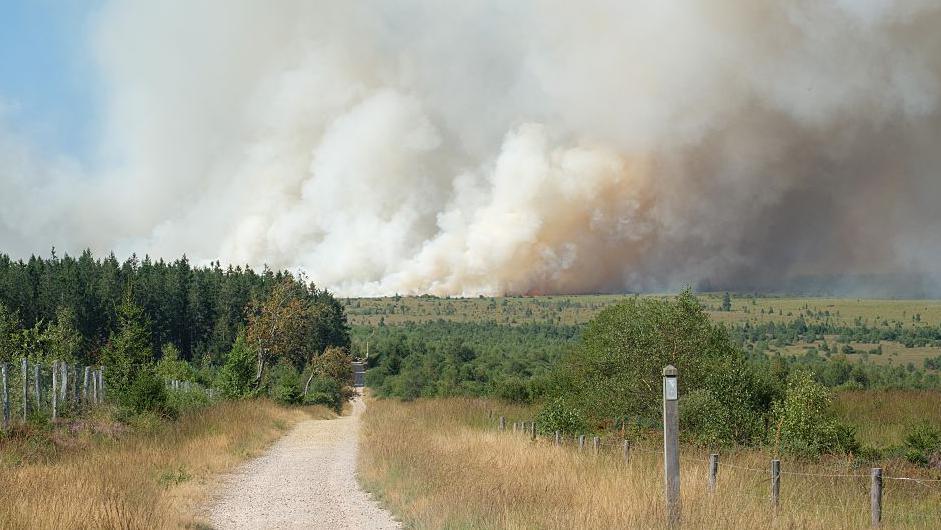
Salamina’s emergency response follows a broader surge of wildfires across Europe. In Belgium, firefighters are beating back flames in a large nature reserve, while a separate blaze in Croatia’s coastline has already evacuated roughly 1,200 people. The EU’s climate‑monitoring service, Copernicus, confirmed that the June‑July period has been the hottest worldwide on record.
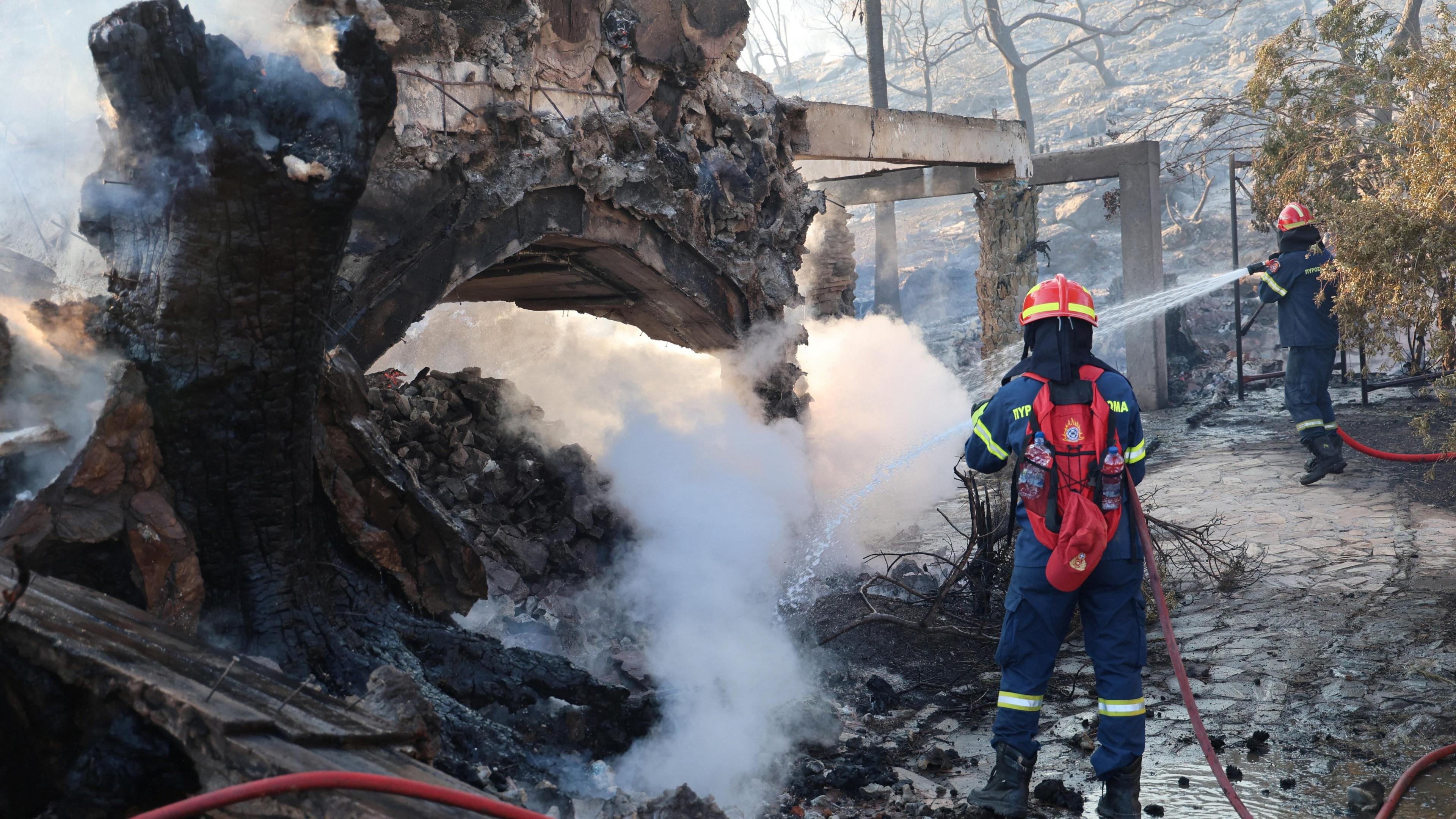
As Greece and neighboring countries grapple with extreme fire risk, scientists and emergency crews continue to explore better predictive models and fire‑fighting tactics. The focus remains on protecting both human life and vulnerable ecosystems from the ever‑increasing threat posed by extreme summer weather.