In brief
This article explores the global ramifications of President Trump's newly imposed tariffs, the responses from various nations, and the potential economic impacts.
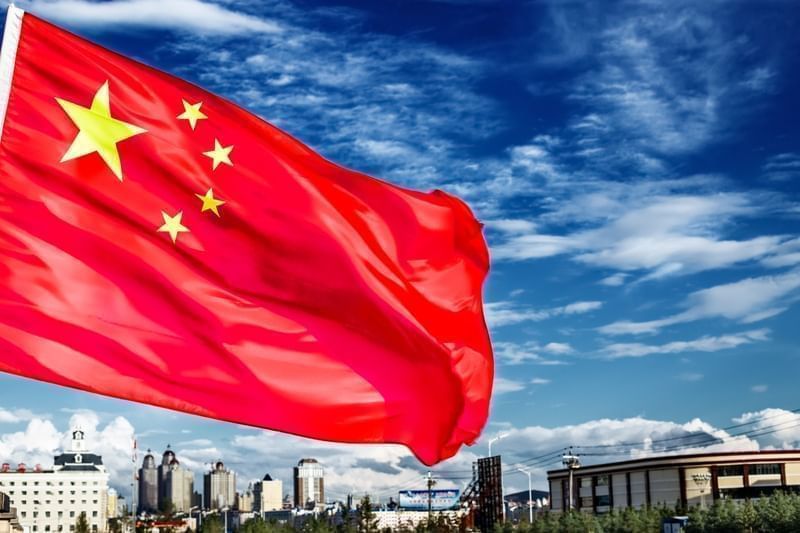
April 3, 2025, 6:30 a.m. ETApril 3, 2025, 6:30 a.m. ET — In a significant escalation of trade tensions, President Trump has unveiled a series of sweeping tariffs expected to shake global markets. As a response, both China and European leaders have expressed their intention to retaliate against what they describe as an aggressive and counterproductive move.Asian and European markets reacted dramatically to the news, with declines reported across major exchanges. In a show of defiance against U.S. policies, China announced plans to implement countermeasures to protect its economic interests, labeling the new tariffs as “bullying.” The European Commission's President, Ursula von der Leyen, assured that Europe would present a united front, declaring, “If you challenge one of us, you challenge us all.”While Japan's response remained more muted, Prime Minister Shigeru Ishiba expressed disappointment over the tariffs, describing them as “extremely regrettable,” yet refraining from discussing retaliation as Japan seeks to maintain strong ties with the U.S.Immediate responses suggested that the tariffs, which include a staggering 34 percent duty on Chinese goods and 20 percent on European imports, have caught many industry representatives off-guard. Experts and political leaders across the spectrum have criticized Trump's approach, highlighting the potential for significant inflationary pressures on U.S. consumers.In Germany, concerns are mounting over the impact on the country's automotive sector, given the imposition of hefty tariffs of up to 25 percent on imported cars. German Finance Minister Jörg Kukies has called for a strong, measured response from the EU, emphasizing that diplomatic negotiations would not suffice amid such drastic measures.In addition to the calculated retaliation from China and the EU, concerns have emerged regarding the potential long-term ramifications of Trump's tariffs on global trade dynamics. Many analysts believe such protectionist policies will increase consumer prices in the U.S. while threatening jobs in export-driven economies.The tariffs are part of Trump's broader strategy to reshape trade relations, claiming his policies are a necessary response to unfair trading practices. However, critics argue that this approach could disrupt established trade networks and isolate the U.S. economically.Further complicating the situation, several nations voiced strong opposition to the tariffs targeting their exports, viewing it as a significant threat to their economies. South Korea, Vietnam, and India are now reconsidering their trade relationships with the U.S. following these changes. As this trade war unfolds, the global community is bracing for the potential fallout as nations weigh their responses and strategies to mitigate the adverse effects of heightened tariffs. As the rhetoric escalates, many are left to ponder the future of international trade as negotiations, retaliations, and economic disruptions loom large.